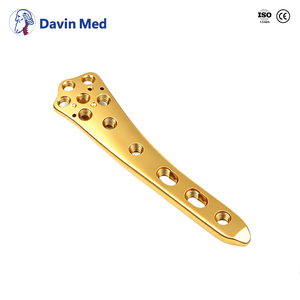
Davin Med Distal Humerus Lateral Locking Plate Titanium
Anatomically contoured locking compression plate engineered for complex distal humerus extra-articular and intra-articular fracture stabilization.
Manufactured under rigorous ISO 13485 quality systems utilizing medical-grade Titanium Alloy (Ti-6Al-4V ELI) and PEEK-OPTIMA polymers with full lot traceability.
Anatomically contoured locking compression plate engineered for complex distal humerus extra-articular and intra-articular fracture stabilization.
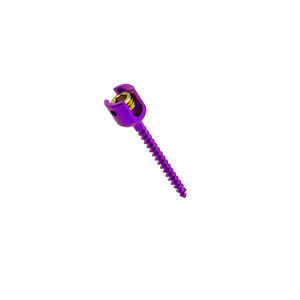
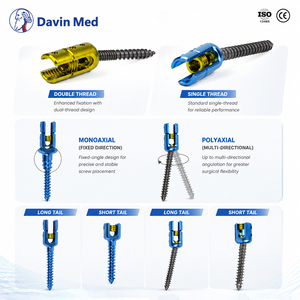
Cannulated polyaxial screw platform designed for percutaneous MIS posterior thoracolumbar spinal fixation with low tissue disruption.
High pull-out force monoaxial pedicle screw system optimized for rigid deformity correction and thoracolumbar fusion procedures.
Precision CNC machined spinal construct supplied with sterile cleanroom packaging and full surgical tool kit instrumentation.
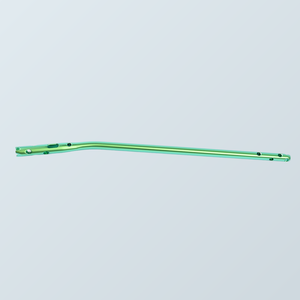
Antegrade locking intramedullary nail system supporting dynamic and static locking configurations for complex tibial diaphyseal fractures.
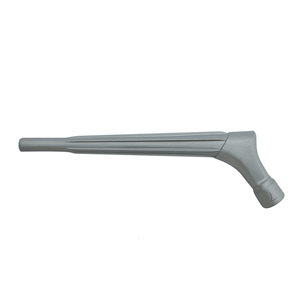
High-fatigue forged titanium alloy femoral stems featuring micro-porous coating options for accelerated secondary osseointegration.
Optimized anatomical curvature minimizes anterior cortex impingement during insertion while maximizing torsional resistance.
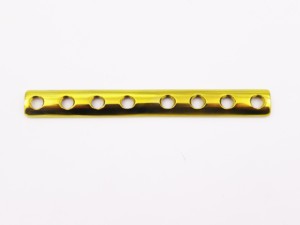
Ultra-low profile reconstruction plate tailored for fibula fractures, forearm trauma, and hand/foot osteotomy fixation.
An in-depth analysis of contract manufacturing workflows, additive vs. subtractive metallurgy, and compliance frameworks under the European Medical Device Regulation (EU MDR 2017/745).
In modern orthopedic reconstruction and trauma care, standard off-the-shelf implants frequently impose biomechanical compromises. Modern clinical requirements demand patient-specific anatomic alignment to prevent stress shielding, reduce intraoperative modification time, and maximize load-bearing stability. As a premier CE Certified custom orthopedic implants factory, our facility bridges the gap between CT/MRI DICOM image conversion, CAD finite element analysis (FEA), and high-precision CNC/additive manufacturing.
Custom-manufactured orthopedic hardware—encompassing customized cranial plates, complex spinal deformity constructs, revision arthroplasty stems, and specialized trauma osteotomy plates—requires strict adherence to ISO 13485 quality management frameworks and medical device manufacturing standards. Beyond dimensional accuracy, the fatigue limits of implantable Ti-6Al-4V ELI (ASTM F136) and PEEK-OPTIMA (ASTM F2026) depend directly on tool path optimization, surface anodization protocols, and residual stress relief annealing.
From micro-machining pedicle screw threads to selective laser melting of porous trabecular titanium structure, explore our factory capabilities.
Utilizing high-speed German and Japanese 5-axis CNC machining centers to execute intricate locking screw thread profiles, polyaxial tulip heads, and complex plate geometries with sub-micron tolerances (±0.005mm).
Direct Metal Laser Sintering (DMLS) using bio-grade titanium powder to fabricate biomimetic porous lattices (60-70% porosity, 300-500µm pore size), encouraging rapid osteointegration in spinal fusion cages and joint stems.
Automated Type II color anodization, Type III hard anodization, and chemical passivation according to ASTM F86 standards to enhance corrosion resistance, reduce fatigue failure, and enable quick color-coded sizing identification.
ISO Class 7 (Class 10,000) cleanroom environment dedicated to ultrasonic multi-stage washing, visual inspection under optical comparator, and sterile double Tyvec blister sealing for direct hospital deployment.
Equipped with Zeiss CMM inspection machines, dynamic fatigue test rigs (ASTM F1717 for spine, ASTM F382 for trauma plates), pull-out strength testers, and optical profile projectors for 100% QA compliance.
Comprehensive contract manufacturing services supporting customized laser marking, private label artwork design, IFU localized translation, and complete surgical instrument kit pairing for global brand owners.
Comparative technical benchmark of primary biomaterials utilized in our custom orthopedic manufacturing facility.
| Biomaterial Class | Standard Compliance | Tensile Strength (MPa) | Elastic Modulus (GPa) | Biocompatibility & Osseointegration | Primary Clinical Application |
|---|---|---|---|---|---|
| Ti-6Al-4V ELI (Grade 23) | ASTM F136 / ISO 5832-3 | ≥ 860 MPa | 110 GPa | Exceptional passivation; high bone-to-implant contact (BIC). | Trauma Plates, Pedicle Screws, IM Nails, Hip Stems |
| 3D Porous Titanium (DMLS) | ASTM F3001 / ISO 10993 | Configurable (150-300 MPa) | 3.5 - 15 GPa (Bone-Matched) | Interconnected 3D matrix accelerates cellular osteogenesis. | Spinal Fusion Cages, Acetabular Cups, Bone Defect Fillers |
| PEEK-OPTIMA® Polymer | ASTM F2026 / ISO 10993 | 90 - 100 MPa | 3.6 GPa (Cortical Bone Simulating) | Radiolucent (X-ray transparent); zero artifact on CT/MRI scans. | ACDF Cages, Lumbar Cages, Cranial Repair Plates |
| 316L Stainless Steel | ASTM F138 / ISO 5832-1 | ≥ 580 MPa | 190 GPa | High mechanical strength; ideal for temporary internal fixation. | Trauma Screws, K-Wires, External Fixation Pins |
| CoCrMo Alloy (Cobalt-Chrome) | ASTM F75 / ISO 5832-4 | ≥ 650 MPa | 220 GPa | Ultra-high wear resistance; superior polish finish for articulation. | Femoral Heads, Knee Joint Condyles, Bearing Articulations |
Key technological shifts shaping how hospital groups, orthopedic distributors, and OEM buyers qualify contract manufacturing partners globally.
Traditional custom implant manufacturing suffered from multi-week design cycles. Next-generation factories integrate automated deep-learning algorithms to convert patient 1mm CT slices directly into 3D printable implant files within hours. This cuts lead times for custom oncology reconstruction and severe deformity plates from weeks to days.
The transition from MDD to EU MDR has drastically increased documentation requirements for custom-made implants vs. mass-produced devices. Global procurement heads are migrating orders toward factories possessing comprehensive Technical Files, ISO 14971 Risk Management reports, and validated biocompatibility testing datasets.
The future of cost-efficient custom implants relies on combining selective laser melting (SLM) for biological porous surface textures with 5-axis CNC high-speed finishing for critical thread interface geometries. This hybrid approach lowers unit cost while guaranteeing mechanical fatigue life under cyclic loads.
Hospital operating rooms increasingly demand paired, ergonomically validated surgical tool sets alongside custom implants. Sourcing custom implants from factories offering matched carbon-fiber or stainless steel instrument trays ensures zero intraoperative tool mismatch and reduces sterilization turnaround times.
Combining world-class production capacity, low MOQ flexibility, and complete regulatory support for global medical device importers.
Certified under ISO 13485:2016 and FDA establishment registered. Full batch traceability from raw titanium billet to final sterile pouch.
Flexible production scheduling allows distributors to combine trauma plates, spinal screws, cages, and intramedullary nails in single consolidated shipments.
With 450+ machines operating in a 60,000m² facility, standard catalog items ship rapidly, with OEM custom projects executed under expedited timelines.
We supply qualified importers with full technical files, material certs, sterilization validation, and test reports for smooth local Ministry of Health registration.
Technical and commercial answers for healthcare buyers, medical device distributors, and OEM purchasing managers.
Our manufacturing facility operates under a fully audited ISO 13485:2016 Quality Management System and maintains registration with the U.S. FDA as a medical device contract manufacturer. Our core product ranges (spinal pedicle screws, trauma locking plates, intramedullary nails, and interbody cages) carry CE Certificate compliance under European regulations. Qualified distributors receive full Technical Dossiers including ISO 10993 biocompatibility test reports, raw material mill certificates (ASTM F136 Ti-6Al-4V ELI / ASTM F2026 PEEK), mechanical dynamic fatigue test data (ASTM F1717 / ASTM F382), and EO sterilization validation documents to support local product registration.
The standard process follows a structured 5-step engineering pipeline:
1) DICOM Data Acquisition: High-resolution CT/MRI scans are transmitted securely;
2) 3D Anatomical Reconstruction: Our biomedical design team generates a 3D CAD model of the defect/anatomy;
3) Surgical Design Review: Surgeon approves implant dimensions, screw trajectories, and biomechanical fit;
4) Precision Machining / 3D Printing: Implants are produced via 5-axis CNC milling or DMLS trabecular titanium printing;
5) QC & Sterile Packaging: CMM dimensional verification, surface anodization, and cleanroom double blister sealing. Standard turnarounds range from 7 to 14 working days depending on structural complexity.
Yes. We specialize in supporting emerging distributors and regional hospital procurement networks by accepting low MOQ and mixed-SKU consolidated shipments. Importers can combine trauma locking plates, cannulated screws, tibial intramedullary nails, spinal constructs, and corresponding surgical instrument kits in one order. This minimizes capital lockup in inventory while allowing distributors to maintain a broad clinical catalog.
Every raw material batch undergoes spectral analysis and mechanical tensile testing before entering the machine shop. Production lines utilize automated in-process optical gauging and 5-axis CMM (Coordinate Measuring Machine) inspection for critical dimensions such as screw thread pitch, locking mechanism tolerances, and plate thickness. Final finished products undergo dynamic fatigue testing according to ASTM guidelines and 100% visual micro-inspection prior to Class 10,000 cleanroom packaging.
Absolutely. Our complete OEM/ODM service includes high-precision fiber laser marking for your proprietary brand name, custom SKU coding, part numbering, and UDI (Unique Device Identification) compliance. Additionally, our R&D engineering team designs and manufactures customized surgical instrument trays, color-coded aluminum sterilization boxes, and customized Instructions for Use (IFU) tailored to your target market's language and branding guidelines.
Qualified medical device distributors, hospital procurement directors, and surgical OEM partners can request sample evaluation sets by contacting our international sales department via the online inquiry button. Evaluation samples include non-sterile or sterile implant samples paired with trial instrument drivers, allowing orthopedic surgeons and quality teams to inspect micro-finish, tactile fit, screw thread engagement, and overall biomechanical quality firsthand.