In modern neurosurgery and craniomaxillofacial (CMF) reconstruction, restoring large cranial defects resulting from traumatic brain injury, tumor resection, or decompressive craniectomy requires superior anatomical precision and biocompatibility. Historically, neurosurgeons relied heavily on titanium mesh or auto-polymerizing Polymethyl Methacrylate (PMMA). However, clinical intent mining across global hospital purchasing networks reveals growing dissatisfaction with these conventional materials due to high artifact interference in imaging, thermal sensitivity, and mechanical stress shielding.
Key Biomechanical Advantages of PEEK Over Legacy Materials
- Cortical Bone Modulus Matching: Medical-grade PEEK (ASTM F2026) possesses an elastic modulus of approximately 3.6 GPa to 4.0 GPa. This closely mirrors natural human cortical bone (13–18 GPa) compared to Grade 5 Titanium Alloy (110 GPa). The physical flexibility of PEEK prevents excessive stress shielding, preserves bone margin integrity, and reduces long-term implant erosion or scalp breakdown.
- Radiolucency and Artifact-Free Diagnostic Imaging: PEEK is completely radiolucent and non-magnetic. Patients fitted with a PEEK Cranial Repair System can undergo post-operative Computed Tomography (CT) and Magnetic Resonance Imaging (MRI) without metallic scatter artifacts. This allows neuro-oncologists to clearly detect recurrent tumors or intracranial changes adjacent to the repair site.
- Superior Thermal Insulation: Titanium metal exhibits high thermal conductivity, exposing patients to cold/heat sensitivity in extreme climates. PEEK’s low thermal conductivity provides a natural barrier, preventing dura mater temperature fluctuations and improving patient comfort.
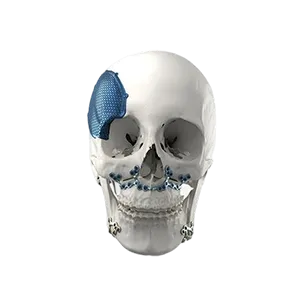
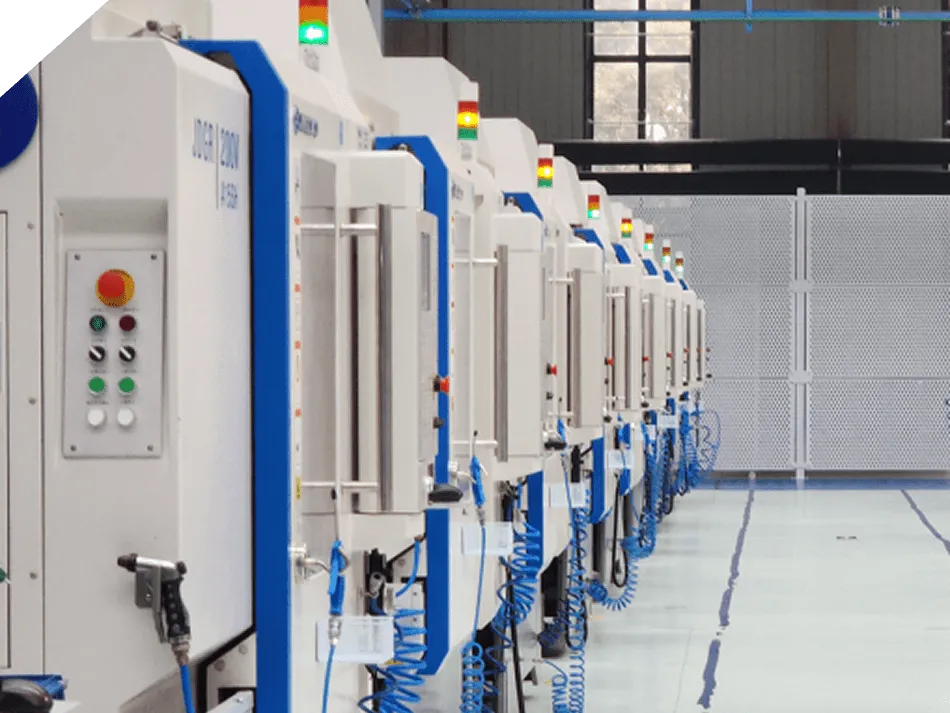
- Anatomical Symmetry & Esthetic Contour: Utilizing high-resolution thin-slice helical CT DICOM data, 3D computer-assisted design (CAD) allows Ortix Medical Devices Co., Ltd. to mill custom Patient-Specific Implants (PSI) with micro-meter precision, eliminating intraoperative manual bending and cutting.
| Biomaterial Criteria | PEEK Cranial Repair System | Titanium Mesh / Plates | PMMA (Acrylic Bone Cement) |
|---|---|---|---|
| Elastic Modulus (GPa) | ~3.6 GPa (Close to cortical bone) | ~110 GPa (Extremely rigid) | ~2.5 GPa (Brittle under load) |
| CT / MRI Artifacts | Zero Artifacts (100% Radiolucent) | Heavy Starburst Scattering | Moderate Artifact Interference |
| Thermal Conductivity | Low (Insulating, comfortable) | Very High (Cold/heat sensitivity) | Low (Exothermic during curing) |
| Post-Op Infection / Exposure Rate | Extremely Low (< 2.5%) | Moderate to High (5% - 12%) | High Risk of Infection (> 10%) |
| Pre-operative Customization | 3D CAD/CAM Precision Milled | Manual Intraoperative Bending | Manual Mold Shaping in OR |