How can global orthopedic buyers and hospital procurement directors optimize trauma implant portfolios while guaranteeing superior clinical outcomes for distal tibia intra-articular Pilon fractures? This definitive guide engineered by Ortix Medical Devices Co., Ltd. details biomechanical principles, metallurgical standards, global procurement trends, and practical FAQ responses to accelerate your local market expansion.
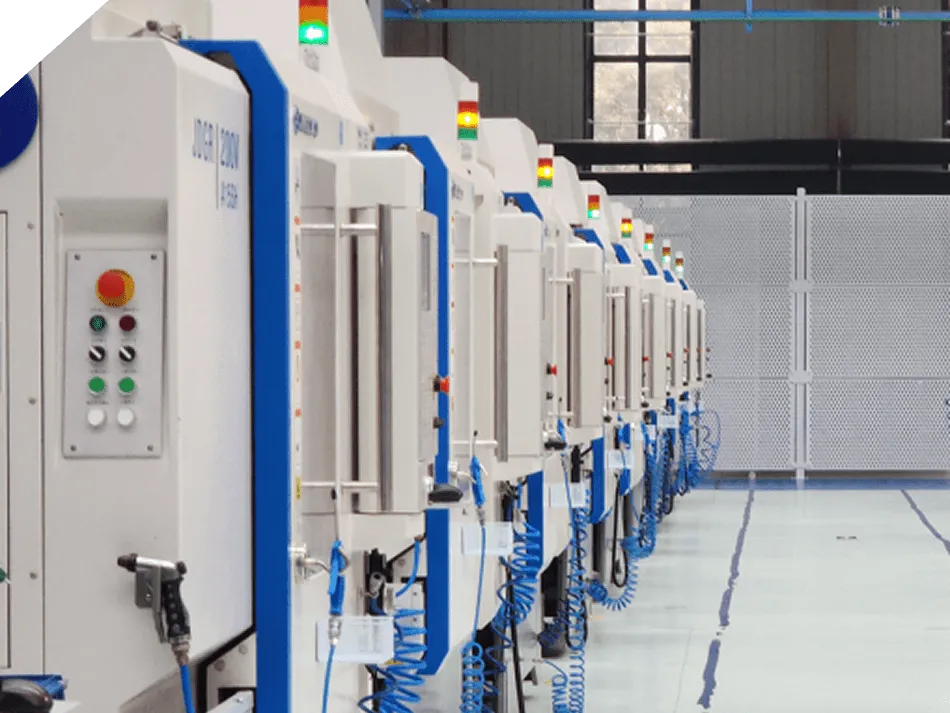
60,000 m² Facility450+ machines, ~20,000 units/day
Global Regulatory SupportMDR Technical Files & Full Dossiers
Product System Breakdown
Comprehensive Distal Tibia Locking Plate System Portfolio
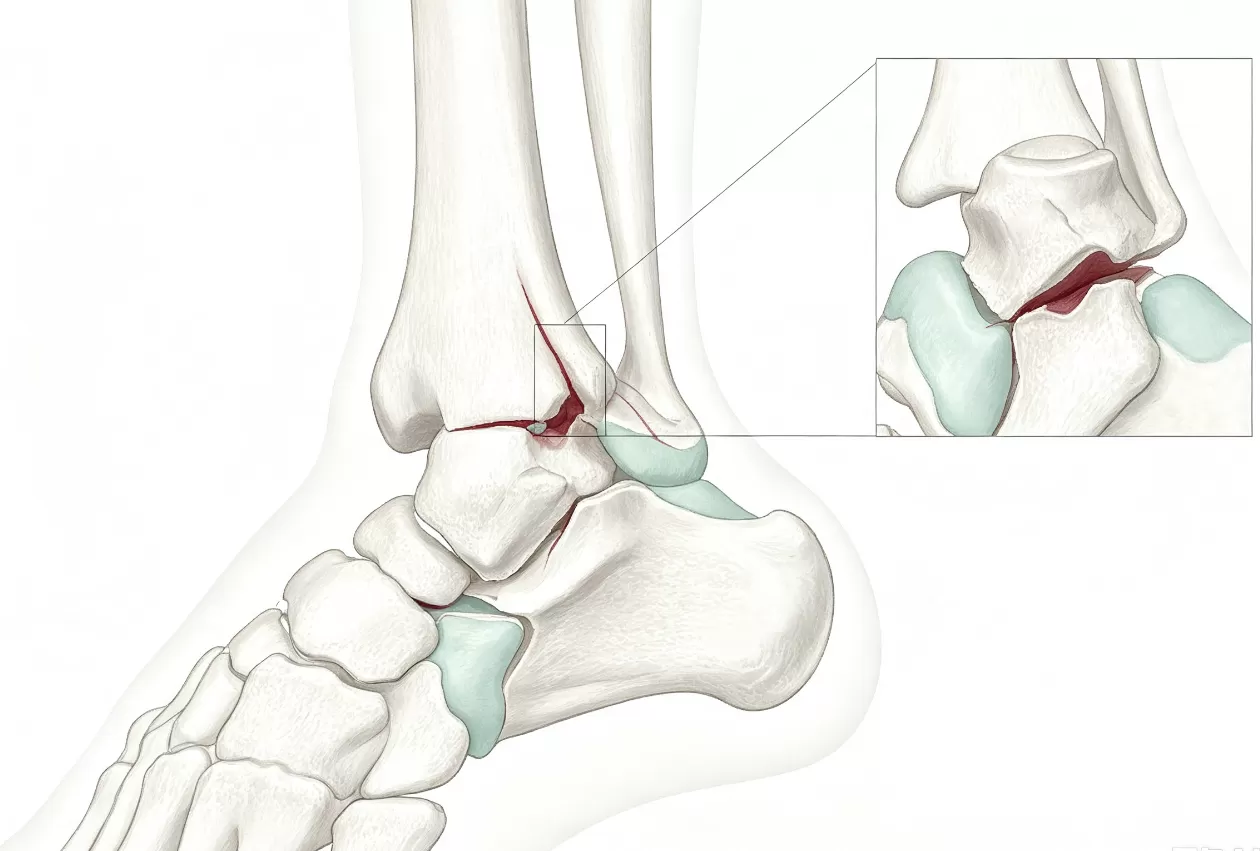
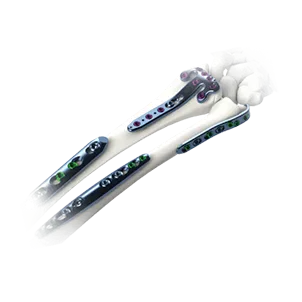
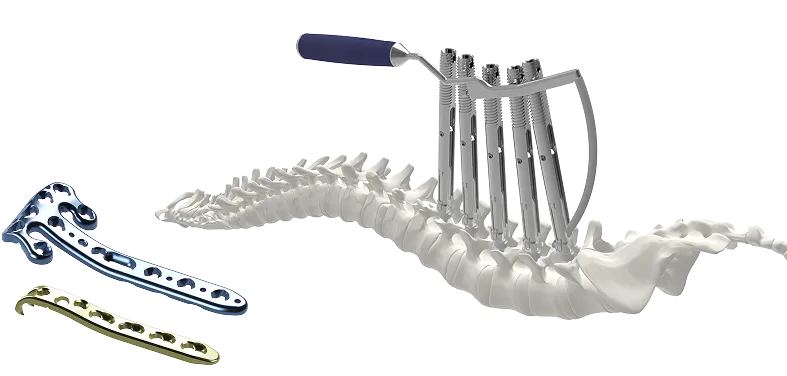
Distal tibial fractures—specifically intra-articular Pilon fractures (AO/OTA Type 43-A, 43-B, and 43-C)—require anatomical fixation systems that accommodate fragile soft-tissue envelopes and complex metaphyseal comminution. Ortix Medical Devices Co., Ltd. engineers three distinct plate geometries matched with high-grade titanium and stainless steel surgical instrument sets.
Engineered with a low-profile distal flare to minimize hardware prominence over the medial malleolus. Features convergent 3.5mm locking screw trajectories in the distal head to capture periarticular fragments without joint surface penetration, combined with dynamic combi-holes in the shaft for compression or fixed-angle stabilization.
Specifically designed for Chaput fragment reduction and anterolateral articular impaction. The anatomical pre-contoured head fits the distal anterior tibial rim, allowing optimal raft screw placement beneath the subchondral bone, making it indispensable for high-energy motor vehicle accident cases.
Contoured to address posterior malleolar (Volkmann triangle) fractures via a posteromedial or posterolateral surgical approach. Tapered distal edge prevents impingement against flexor tendons while locking screws buttress posterior cortical collapse.
Key Technological & Biomechanical Trends in Distal Tibia Locking Plates
Understanding the mechanical failure modes and clinical requirements of distal tibial fixation enables procurement leaders to select high-performing trauma implants that reduce revision rates and win hospital tenders.
3D Anatomical Pre-Contouring & Soft Tissue Preservation
The distal tibia possesses minimal subcutaneous tissue covering the medial malleolus. Historical trauma plates required extensive manual bending, introducing stress risers and micro-fractures in the plate matrix. Modern Distal Tibia Locking Plates manufactured by Ortix Medical utilize 3D statistical shape modeling derived from thousands of CT scans. This anatomical pre-contouring fits international patient populations, dramatically reducing intraoperative bending time and minimizing soft-tissue irritation and skin necrosis.
Polyaxial Locking Screw Technology vs. Monoaxial Fixation
While standard monoaxial locking plates offer rigid fixed-angle stability, intra-articular fracture lines vary widely. Polyaxial locking technology allows surgeons to steer 3.5mm locking screws within a 30-degree cone (±15° from central axis) before locking the screw head into the threaded plate hole. This freedom allows precise trajectory aiming around osteochondral fragments, interfragmentary screws, or existing fibular implants without sacrificing structural construct rigidity.
Advanced Metallurgy: Ti-6Al-4V ELI & Surface Anodization
Selecting between Titanium Alloy (Ti-6Al-4V ELI / ASTM F136) and Stainless Steel (316L / ISO 5832-1) is a critical decision in trauma procurement. Titanium implants demonstrate a lower elastic modulus (closer to natural cortical bone), reducing stress shielding and promoting secondary bone healing through callus formation. Ortix Medical applies Type II Hard Anodization to titanium locking plates, increasing fatigue life by over 25% and reducing screw-to-plate cold welding (galling) during extraction.
Surgeons are increasingly shifting toward MIPO techniques to preserve periosteal blood supply in closed Pilon fractures. Ortix Medical's Distal Tibia Locking Plate series incorporates smooth, bullet-shaped distal tips and subfascial tunnel insertion handles. Radiolucent carbon fiber aiming arms allow accurate percutaneous screw placement under fluoroscopic control, shortening operating times and improving patient recovery speed.
Market Dynamics & Purchasing Intelligence
Future Procurement Trends for Global Orthopedic Buyers
As global healthcare systems push for value-based care and inventory optimization, medical device distributors and hospital procurement groups face shifting supply chain dynamics.
Key Sourcing Shifts in Trauma Implant Distribution
Navigating international regulatory requirements, fluctuating freight logistics, and stringent tender parameters requires a manufacturing partner with flexible fulfillment models.
Modular Sourcing & Low MOQ Flexibility: Importers require low minimum order quantities across mixed SKUs to prevent capital lockup in slow-moving plate lengths while maintaining stock of high-turnover 4-hole to 12-hole variants.
Turnkey OEM/ODM & Private Label Branding: Regional distributors are building direct brand equity. Custom laser marking, localized packaging, customized IFUs, and tailored color-coded instrument trays create strong distributor margins.
Sterile-Pack Kit Standardization: A growing trend toward single-use pre-sterilized trauma packs reduces hospital autoclaving expenses, cross-contamination risks, and inventory tracking complexity in emergency rooms.
Audit-Ready Regulatory Dossiers: Rapid regulatory clearance demands ISO 13485 quality systems, FDA registration, CE/MDR compliant technical files, raw material traceability, and standardized biocompatibility testing.
450+CNC Machine Centers
OEM & ODMDirect Factory Service
Why Choose Ortix Medical
Empowering Global Distributors with Superior Manufacturing Capabilities
Ortix Medical Devices Co., Ltd. is a specialized manufacturer of orthopedic implants and surgical instruments serving medical device companies, importers, and hospital groups worldwide.
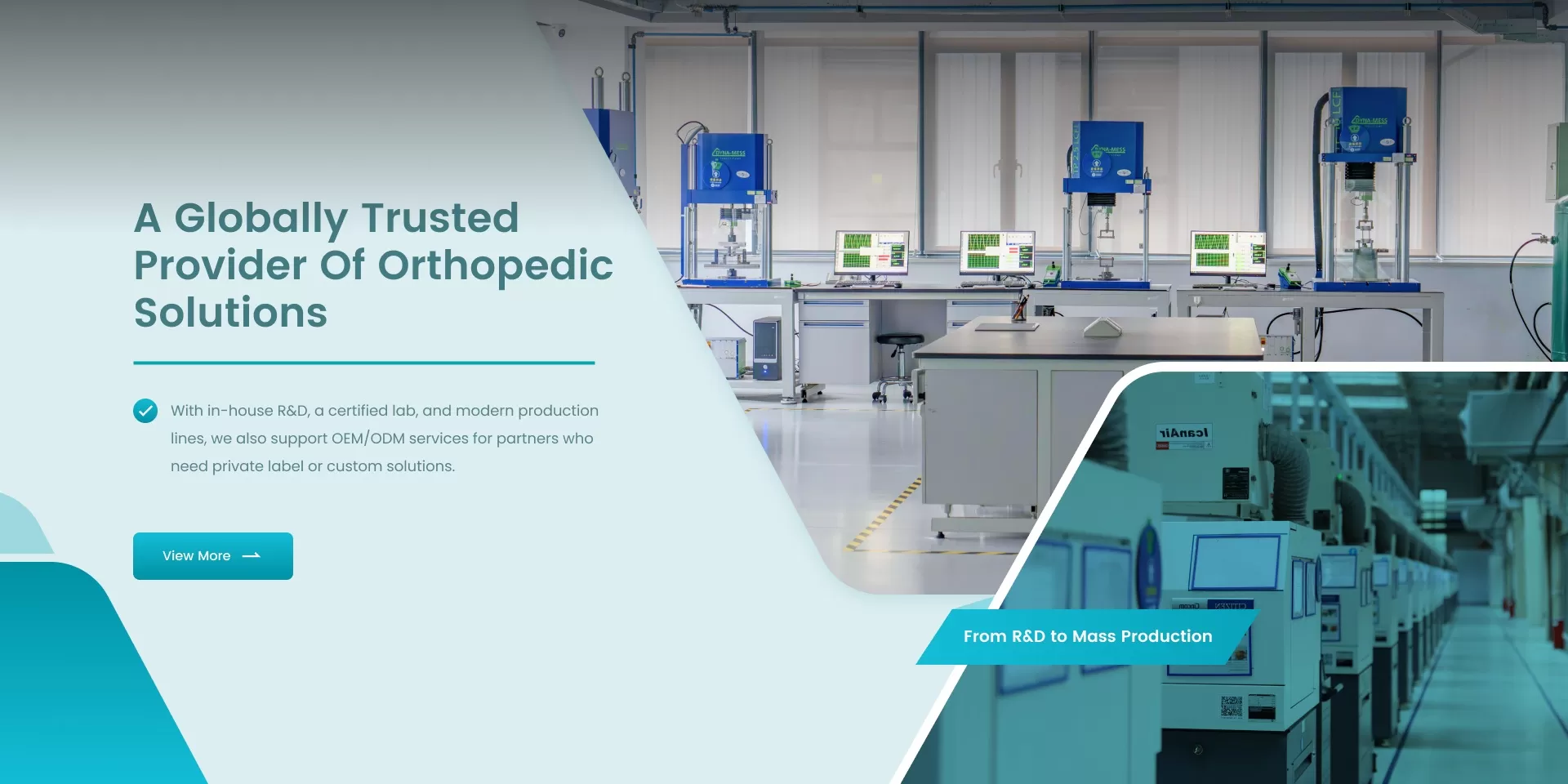
Our 60,000 m² state-of-the-art facility operates over 450 precision CNC machines and high-speed Swiss-type longitudinal lathes, producing ~20,000 implant units daily. Our product catalog spans trauma locking plates, intramedullary nails, spinal fixation systems, joint replacements, sports medicine anchors, CMF plates, and surgical power tools. Supported by an in-house R&D engineering force of 70+ specialists and a certified mechanical testing laboratory, we deliver guaranteed lot-to-lot consistency, low MOQs, and reliable lead times.
70+ In-house R&D Biomedical Engineers
ISO 13485 Quality Management & FDA Registration
Full Material Traceability (ASTM F136 / ISO 5832)
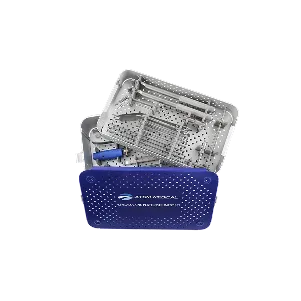
Complete Matched Surgical Instrument Sets
"Our priority is delivering high-precision trauma systems that simplify surgical procedures while providing distributors with unassailable supply chain predictability."
Ready to Expand Your Distal Tibia Locking Plate Portfolio?
Partner directly with Ortix Medical Devices Co., Ltd. for reliable product supply, custom OEM laser marking, and complete regulatory dossiers tailored to your regional market requirements.
What biomechanical advantages do Distal Tibia Locking Plates offer in Pilon fracture fixation?
Distal Tibia Locking Plates form a fixed-angle construct that acts as an internal extramedullary fixator. In complex intra-articular Pilon fractures (AO/OTA Type 43-C), standard non-locking plates rely on friction between the plate and bone, which can compromise periosteal blood supply and lead to secondary reduction loss. Locking plates preserve microvascular periosteal perfusion and provide rigid subchondral support through convergent screw patterns, preventing articular collapse under axial loads.
Which materials are available for Ortix Medical Distal Tibia Locking Plates?
Ortix Medical manufactures plates in medical-grade Titanium Alloy (Ti-6Al-4V ELI complying with ISO 5832-3 and ASTM F136) featuring Type II hard anodization, as well as High-Grade Stainless Steel (316L complying with ISO 5832-1 and ASTM F138). Titanium is widely preferred for its bio-compatibility, lower elastic modulus (reducing stress shielding), and MRI compatibility, whereas stainless steel offers higher rigidity at a lower cost point for price-sensitive tender markets.
Can Ortix Medical customize Distal Tibia Locking Plate geometry or packaging for OEM partners?
Yes. Ortix Medical Devices Co., Ltd. specializes in comprehensive OEM and ODM solutions. Our 70+ in-house R&D engineers can adjust plate anatomical contouring, modify screw hole locations, alter distal plate thickness, execute private label laser marking, design customized IFUs, and supply modular color-coded instrument trays tailored to your corporate brand identity.
What is the Minimum Order Quantity (MOQ) for Distal Tibia Locking Plates?
We maintain a flexible, distributor-friendly low MOQ model. Importers can combine medial distal tibia plates, anterolateral plates, posterior plates, dynamic compression screws, and matched surgical instruments within a single small batch shipment. This enables global partners to test regional market demand without tying up excessive working capital in inventory.
Does Ortix Medical provide technical dossiers for regional product registration and hospital tenders?
Absolutely. Qualified distributors receive full regulatory packages including ISO 13485 certificates, U.S. FDA establishment registration details, raw material mill certificates by lot, biocompatibility evaluation reports, mechanical test data (fatigue cycle testing exceeding 1,000,000 cycles and screw pull-out forces), sterilization validation documentation, and surgical technique guides.
How does Ortix Medical ensure screw-plate thread alignment and prevent cold welding?
Our plates and locking screws are manufactured using ultra-precise CNC Swiss-type lathes with sub-micron tolerance controls. For titanium implants, our Type II Hard Anodization treatment creates a durable surface oxide layer that substantially reduces thread friction, eliminating micro-galling and cold welding during high-torque insertion or intraoperative adjustment.