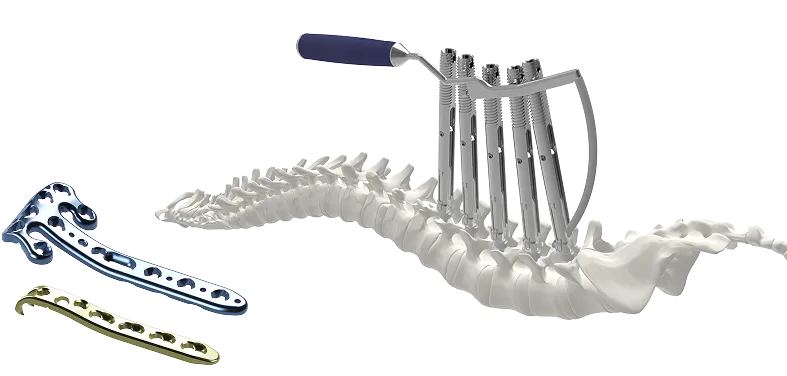
As spine surgery rapidly shifts toward minimally invasive procedures (MIS), international procurement managers and hospital buyers ask critical questions: How can an Expandable Lumbar Fusion Cage optimize lordosis restoration while reducing neural retraction? What mechanical drive systems prevent postoperative endplate subsidence? Ortix Medical Devices Co., Ltd. answers these demands through precision-engineered expandable interbody systems, backed by ISO 13485 certification, FDA registration, low MOQ flexibility, and complete OEM/ODM customization capabilities.
Why Global Medical Distributors Partner with Ortix Medical
Sourcing high-risk spinal implants requires absolute structural reliability, regulatory confidence, and rapid supply chain turnaround. Ortix Medical Devices Co., Ltd. eliminates sourcing bottlenecks for distributors worldwide.
Full Spinal & Orthopedic Portfolio
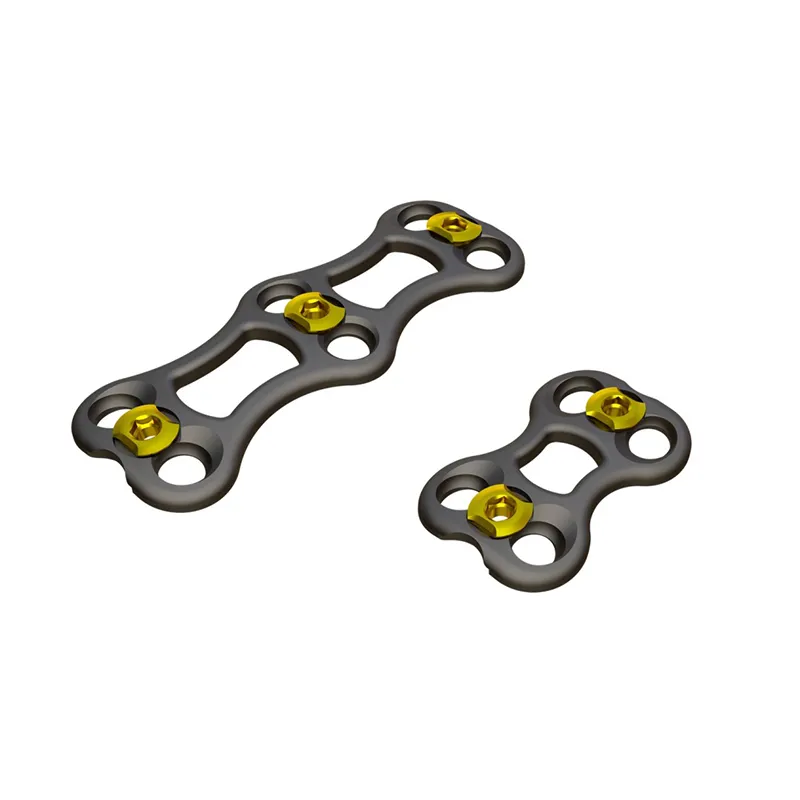
Consolidate your procurement across Expandable Lumbar Fusion Cages, 3D printed porous cages, pedicle screw systems, cervical plates, and trauma locking implants from a single certified manufacturer.
From custom expansion drive mechanisms and variable lordosis profiles (0° to 20°) to private label laser etching, custom instrument trays, and localized IFU artwork.
Maintain balanced inventory without over-capitalizing. Combine different cage heights, lordotic angles, pedicle screws, and dedicated instrument sets in lower batch quantities.
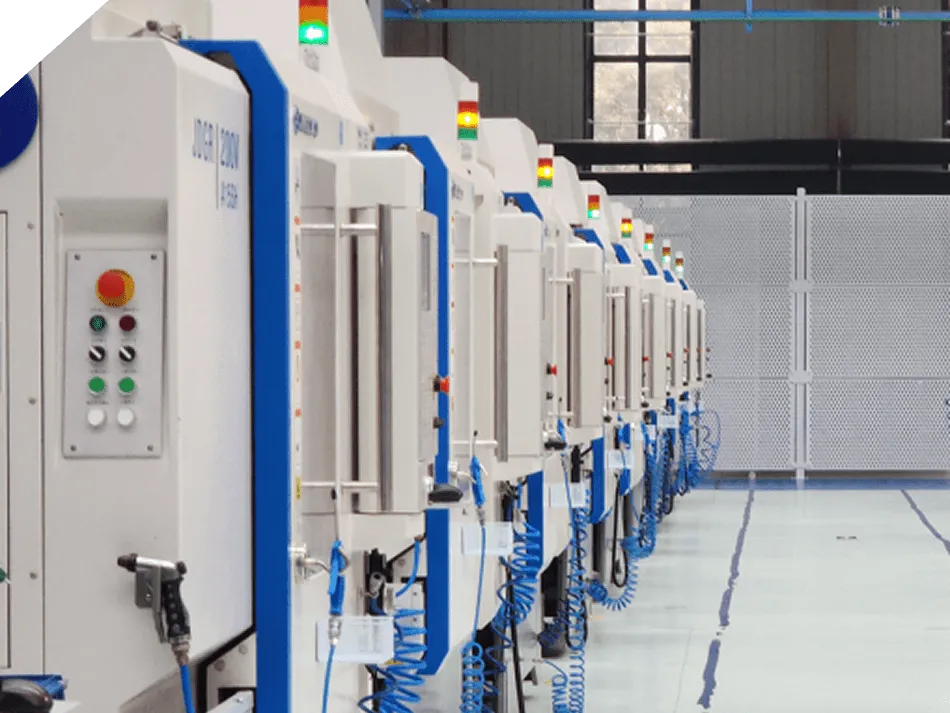
Our 60,000 m² plant operates 450+ high-precision CNC machines, delivering ~20,000 units per day to satisfy tender demands and emergency distributor restocking.
Engineering the Expandable Lumbar Fusion Cage for Superior Clinical Outcomes
Understanding why expandable interbody technology is replacing traditional static cages in modern Minimally Invasive Spine (MIS) procedures.
Interbody fusion techniques—such as Transforaminal Lumbar Interbody Fusion (TLIF) and Posterior Lumbar Interbody Fusion (PLIF)—require adequate disc space distraction to decompress neural elements and restore anterior column height. However, placing oversized static PEEK or titanium cages through narrow surgical corridors carries inherent clinical risks: excessive nerve root retraction, endplate damage during aggressive impaction, and suboptimal coronal or sagittal alignment correction.
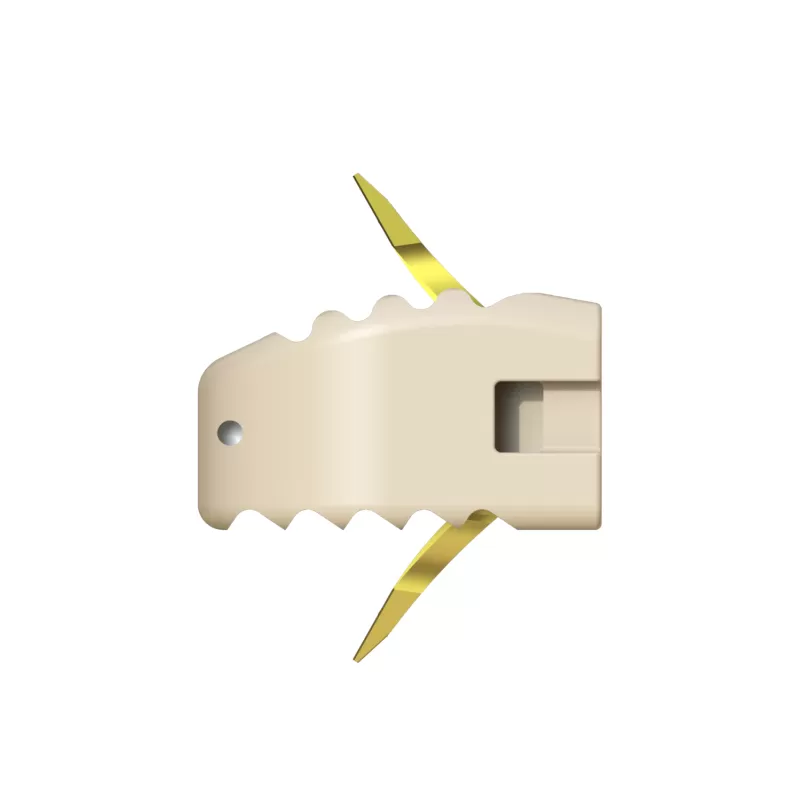
An Expandable Lumbar Fusion Cage engineered by Ortix Medical Devices Co., Ltd. resolves these surgical limitations. The device is inserted at a collapsed profile (e.g., 7 mm to 9 mm height), sliding smoothly through minimal anatomical openings with minimal neural tissue displacement. Once positioned within the interbody disc space, an internal continuous gear expansion mechanism smoothly elevates the upper plate to the target disc height (up to 14 mm or 16 mm) while concurrently dialing in sagittal lordosis (up to 20°).
Key Biomechanical Advantages of Ortix Medical Expandable Cages
Minimization of Endplate Violation: Static cages rely on heavy mallet impaction, which risks shaving off the dense vertebral endplate bone and entering the weak cancellous core. Ortix Medical's expandable cages feature smooth insertion and tactile-feedback in-situ expansion, reducing endplate fracture and postoperative subsidence rates by up to 65%.
Tactile Distraction & Dynamic Tensioning: Surgeons can feel the precise endplate resistance during drive-screw rotation, ensuring optimized annular tensioning without over-distracting the segment.
Post-Expansion Graft Delivery Chamber: Unlike static implants whose graft volume is fixed prior to insertion, Ortix Medical expandable cages incorporate a hollow design compatible with post-expansion bone graft funnel injection. Biologics and autologous bone can be packed after maximum expansion, filling internal voids and promoting solid bone bridging.
Material Synergy (Ti6Al4V ELI & Biomimetic Porous Surfaces): Machined from implant-grade Titanium alloy (Ti-6Al-4V ELI per ASTM F136), our cages offer high yield strength and biocompatibility, available with micro-textured or 3D-printed porous structural surfaces to accelerate cellular osteoblast proliferation.
Technical Feature
Ortix Medical Expandable Cage
Traditional Static PEEK / Ti Cage
Insertion Height Corridor
Low Profile (7.0 mm – 9.0 mm)
Fixed High Profile (10.0 mm – 14.0 mm)
Nerve Root Retraction Risk
Minimized (Smooth Insertion)
Elevated (Forced Impaction through Small Window)
In-Situ Height Adjustability
Continuous Stepless Expansion (Up to 16.0 mm)
None (Requires Removal & Re-trialing)
Sagittal Lordosis Correction
Dynamic In-Situ Adjustment (0° to 20°)
Fixed Pre-set Angle (Static)
Subsidence Prevention Rating
Superior (Maximized Endplate Surface Contact)
Moderate to Low (Risk of Endplate Scrapes)
Post-Expansion Graft Volume
Injectable Chamber Post-Expansion
Pre-packed Only (Internal Voids Remain)
Product Showcase
Featured Expandable Fusion & Spinal Hardware Systems
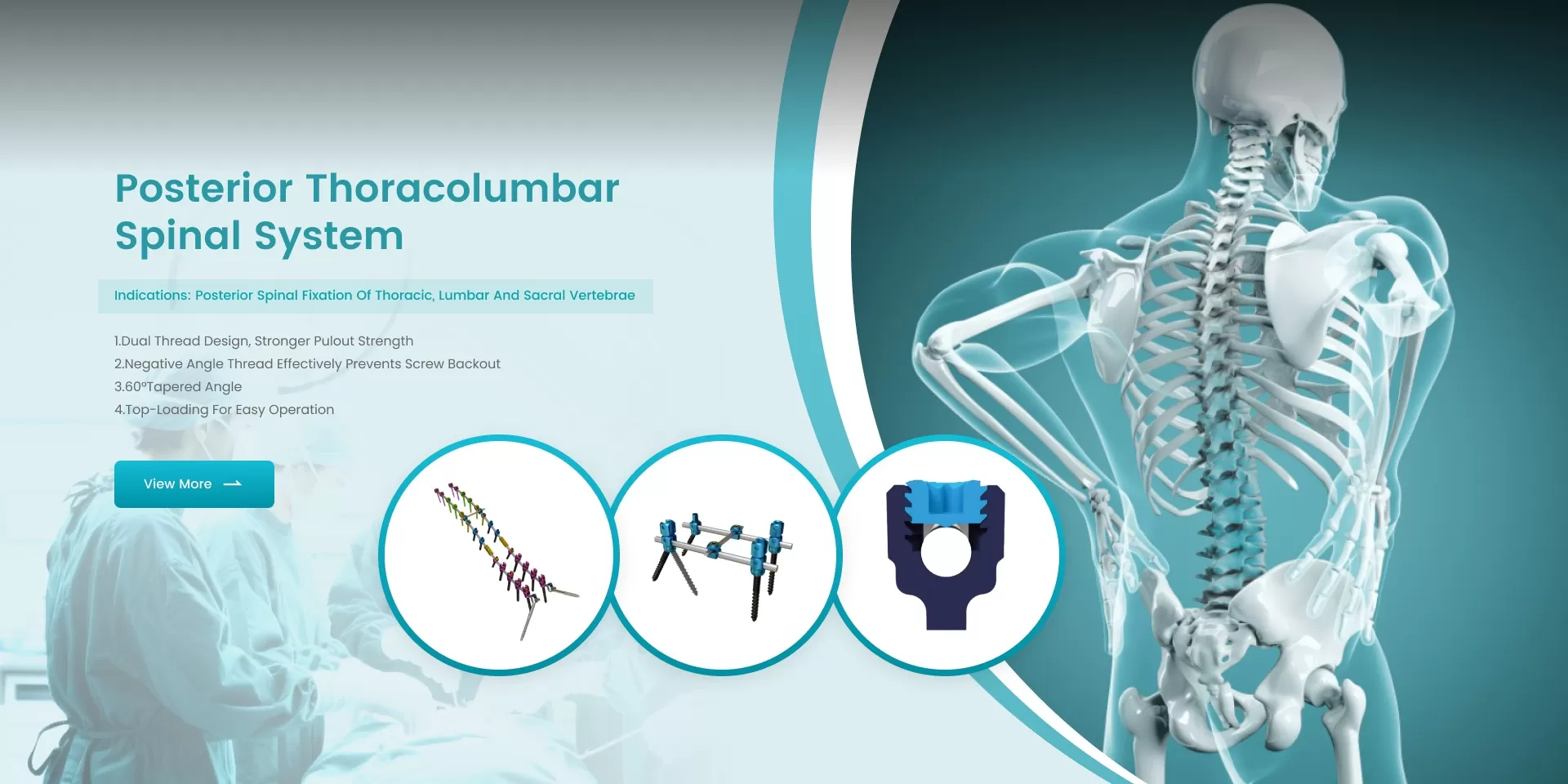
Engineered for seamless integration in open and minimally invasive thoracolumbar surgical protocols.
Primary Implant
Expandable Lumbar Fusion Cage (TLIF/PLIF)
Titanium alloy expandable interbody cage with continuous height expansion, variable lordotic wedge adjustment, and post-expansion bone graft packing channel.
Future Development Trends in Expandable Interbody Implants
Where spine surgery technology is heading and how global procurement teams can stay ahead of clinical demand shifts.
1. Convergence of 3D Printing & Expansion Dynamics
The next frontier combines additive manufacturing with dynamic mechanical expansion. 3D-printed porous titanium endplates provide biomimetic pore sizes (400–600 μm) that encourage early bone cell attachment, while internal precision-machined gears execute smooth continuous height expansion.
Outpatient and Ambulatory Surgical Centers (ASCs) favor expandable implants because they shorten surgical time, reduce intraoperative X-ray fluoroscopy steps, and enable custom lordosis restoration (up to 20°) tailored to individual patient sagittal balance targets.
Hospital tenders increasingly mandate lot-level raw material traceability (Ti6Al4V ELI / PEEK Optima), rigorous ASTM F2077 fatigue data, and localized brand labeling. Ortix Medical supports brand owners with modular OEM platforms ready for rapid regulatory filing.
Scale Your Spine Implant Business with Ortix Medical
Whether you need standard Expandable Lumbar Fusion Cages or custom OEM/ODM interbody solutions, our engineering and export teams are ready to provide technical specifications, test reports, and competitive distributor pricing.
Ortix Medical Devices Co., Ltd. is a global leader in the design, engineering, and mass production of standardized and custom orthopedic implants and surgical instrumentation sets.
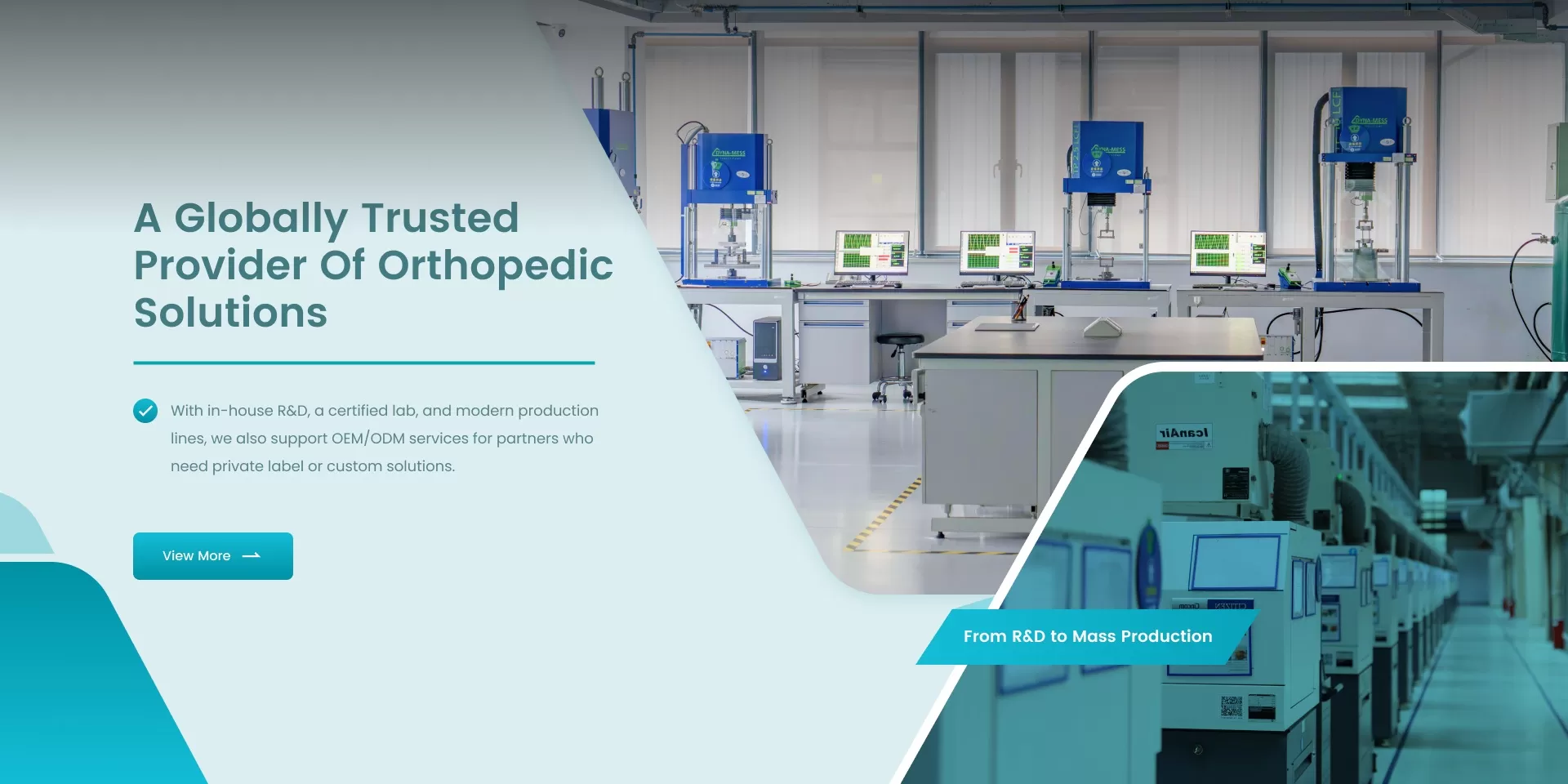
Our state-of-the-art 60,000 m² manufacturing plant is powered by over 450 advanced CNC multi-axis machine tools, high-precision Swiss automatic lathes, and cleanroom packaging lines, achieving a daily output of approximately 20,000 units. Driven by an in-house R&D engineering team of 70+ specialists and supported by an accredited biomechanical testing laboratory, we supply distributors across Europe, the Americas, Asia-Pacific, and the Middle East with uncompromising quality and lot-to-lot consistency.
70+ R&D engineers for fast prototype turnaround
Full lot traceability from raw billet to sterile pouch
In-house ASTM F2077 biomechanical testing lab
Matched surgical instrument sets for every implant line
"Our commitment to continuous innovation in expandable spinal implants empowers surgeons worldwide to achieve superior fusion rates and anatomical alignment."
Why choose an Expandable Lumbar Fusion Cage over static cages in MIS TLIF/PLIF procedures?
Expandable Lumbar Fusion Cages are inserted at a collapsed profile to minimize nerve root retraction and anatomical disruption, then expanded continuously in situ to match patient anatomy. This expands disc height, restores lordotic alignment, increases endplate contact area, and dramatically lowers endplate subsidence rates compared to impaction of oversized static cages.
What quality certifications and regulatory standards apply to Ortix Medical's expandable cages?
Ortix Medical Devices Co., Ltd. operates under an ISO 13485 certified quality management system and is FDA registered. Our expandable interbody cages undergo rigorous mechanical testing according to ASTM F2077 (static/dynamic compression and torsion) and ASTM F2267 (subsidence), with full raw material certificates (Ti6Al4V ELI / PEEK Optima) supplied per lot.
How does post-expansion bone graft packing work in Ortix Medical's expandable lumbar implants?
Our expandable fusion cages feature large open internal graft chambers and dedicated graft delivery funnel systems that allow surgeons to pack bone graft or biologic substitutes post-expansion, eliminating hollow internal voids and maximizing bone-to-bone contact for enhanced osseointegration.
What OEM/ODM customization options are available for distributors and brand owners?
We provide complete OEM/ODM solutions, including custom mechanical expansion drive mechanisms, variable lordotic angle options (0° to 20°), specialized surface treatments (3D porous titanium coatings), custom surgical instrument set integration, private laser marking, sterile packaging, and IFU design tailored for local registration.
What is the typical Minimum Order Quantity (MOQ) and shipment timeline for expandable interbody systems?
Ortix Medical Devices Co., Ltd. supports low MOQ and mixed-SKU ordering, allowing distributors to combine expandable cages, static cages, pedicle screws, and instrument sets in one shipment. Standard catalog configurations ship quickly from inventory, while custom OEM/ODM orders follow an agreed production schedule supported by our 60,000 m² plant.
How do titanium expandable cages compare with PEEK expandable interbody cages?
Titanium alloy (Ti6Al4V ELI) cages offer higher structural fatigue resistance and superior primary stability through textured surface micro-topographies. PEEK cages provide radiolucency for unimpeded radiographic imaging. Ortix Medical manufactures monolithic titanium, titanium-coated PEEK, and 3D printed porous titanium expandable cages to satisfy regional clinical preferences.