Proximal Femoral Intramedullary Nail (PFNA): Global Sourcing Specifications, Biomechanical Design, and Procurement Outlook
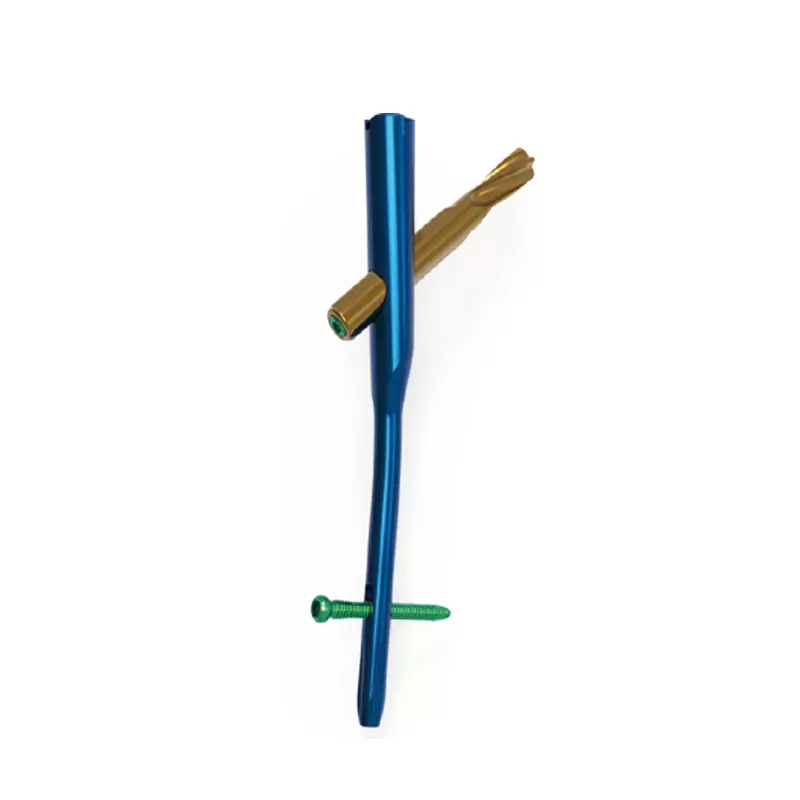
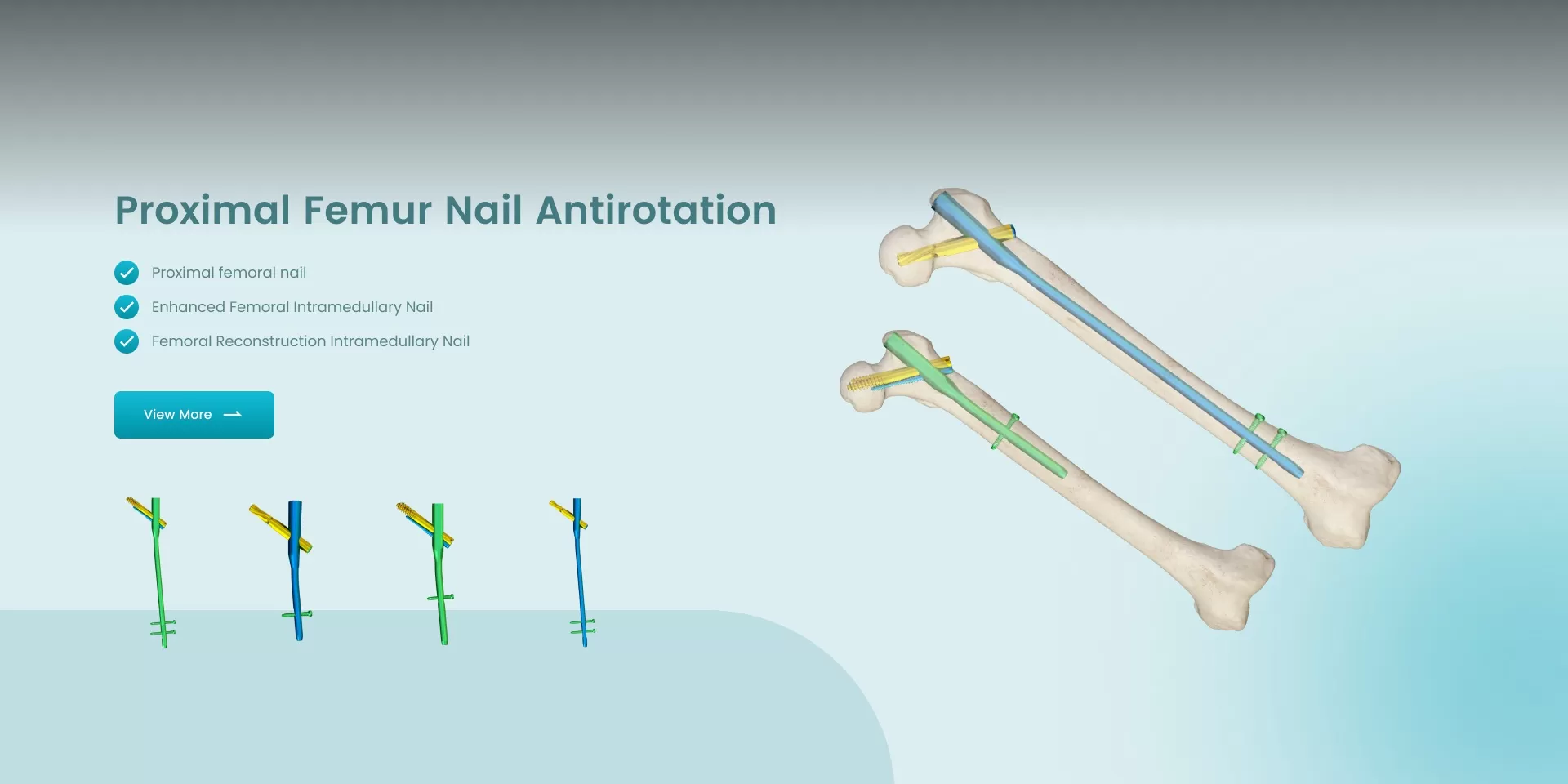
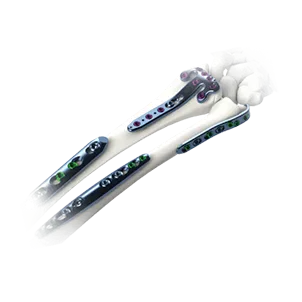
Proximal Femoral Intramedullary Nail (PFNA) systems represent the gold standard in modern orthopedic trauma surgery for the treatment of unstable trochanteric and subtrochanteric fractures (AO/OTA classification 31-A1, 31-A2, and 31-A3). Engineered to deliver maximum mechanical stability in osteoporotic cancellous bone, these load-sharing internal fixators minimize cut-out risks while facilitating early patient mobilization. Ortix Medical Devices Co., Ltd. provides global medical device distributors, procurement directors, and orthopedic brand owners with high-precision titanium and stainless steel PFNA implants, customizable radiolucent surgical instrument sets, and end-to-end OEM/ODM manufacturing capability under strict ISO 13485:2016 and FDA regulatory guidelines.
ISO 13485:2016Certified orthopedic quality management
FDA RegisteredEstablishment listed with U.S. FDA
60,000 m² Facility450+ CNC machines, ~20,000 units/day
Full TraceabilityRaw material & lot-level fatigue testing
Biomechanical Gain & Clinical Engineering
Why the Proximal Femoral Intramedullary Nail Dominates Trochanteric Fixation
Understanding the mechanical advantages, load-sharing physics, and helical blade bone compaction dynamics that drive clinical adoption across global trauma centers.
Central Load-Bearing Axis
Unlike extramedullary sliding hip screws (DHS), an intramedullary nail sits closer to the mechanical axis of the femur. This significantly reduces the bending moment on the implant-bone construct, drastically lowering the risk of hardware fatigue failure or fatigue-induced screw bending under immediate partial weight-bearing conditions.
Helical Blade Bone Compaction
The single helical blade design inserts without removing trabecular bone stock. As it is hammered into place, it compacts the surrounding cancellous bone around the femoral neck and head. This rotational resistance provides exceptional resistance to cut-out, making it ideal for osteoporotic geriatric proximal femur fractures.
Anatomical 4° / 5° Valgus Angle
Ortix Medical proximal femoral nails are engineered with a precise 4° or 5° mediolateral valgus angle. This anatomical bend allows easy insertion through the tip of the greater trochanter, protecting the gluteus medius tendon while preventing anterior cortical impingement along the femoral shaft.
Dynamic & Static Distal Locking
Distal locking slots feature combined static and dynamic options. Dynamic locking allows intraoperative or postoperative axial micro-motion to stimulate bone fracture healing and callus formation, whereas static locking stabilizes complex subtrochanteric comminuted patterns against rotational displacement.
Implants & Systems
Recommended Proximal Femoral Intramedullary Nail Product Configurations
Ortix Medical Devices Co., Ltd. supplies a versatile portfolio of PFNA configurations matched to diverse surgeon preferences, hospital tender specifications, and patient anatomical variations.
Future Sourcing & Manufacturing Trends for Intramedullary Trauma Nails
As global healthcare systems prioritize cost-efficiency, surgical precision, and fast recovery times, procurement directors must evaluate four major technological shifts impacting intramedullary nail manufacturing.
1. Cement Augmentation for Severe Osteoporosis
Modern Proximal Femoral Intramedullary Nails increasingly incorporate fenestrated helical blades or lag screws that permit intraoperative PMMA bone cement injection. Cement-augmented PFNA systems double fixation strength in severely osteoporotic cancellous bone, reducing surgical failure rates in patients aged 75+ by up to 60%.
2. Radiolucent Carbon Fiber Instrumentation
Hospital operating rooms require minimal fluoroscopic exposure for surgical teams. Advanced carbon-fiber target frames enable obstruction-free distal locking under C-arm image intensifiers. Ortix Medical integrates high-rigidity radiolucent targeting arms into all OEM PFNA instrument kits to streamline surgical workflows.
3. Anatomic Bowing & Patient-Tailored Geometries
Standard straight long nails frequently cause anterior femoral cortex impingement or perforation in Asian, Latin American, and female patient populations with pronounced femoral bowing. The market is rapidly migrating toward long nails featuring a reduced anterior bow radius (R1.5m) and optimized distal flexible cuts.
Global orthopedic distributors are paring down vendor counts in favor of vertically integrated manufacturers capable of producing raw titanium bars, precision CNC machined nails, and matching surgical instruments in one facility. E.U. MDR and U.S. FDA regulations demand complete environmental compliance and lot traceability from raw billet to sterile pouch.
450+High-Precision CNC Machines
ISO 13485 & FDACertified Manufacturer
Enterprise Excellence
Why Global Importers Partner with Ortix Medical Devices Co., Ltd.
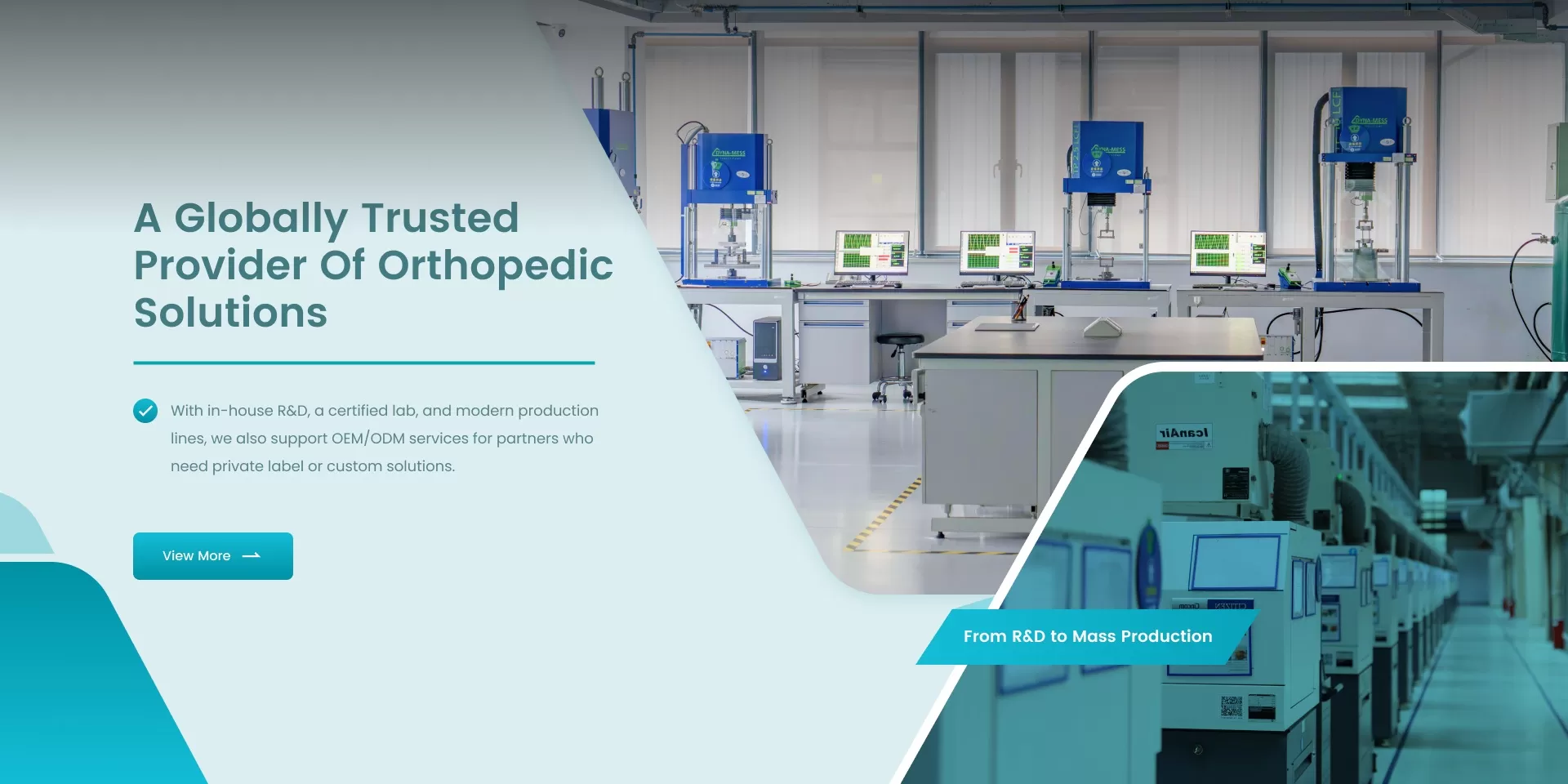
Ortix Medical Devices Co., Ltd. operates a state-of-the-art 60,000 m² medical manufacturing ecosystem dedicated to trauma, spine, joint, sports medicine, and CMF solutions.
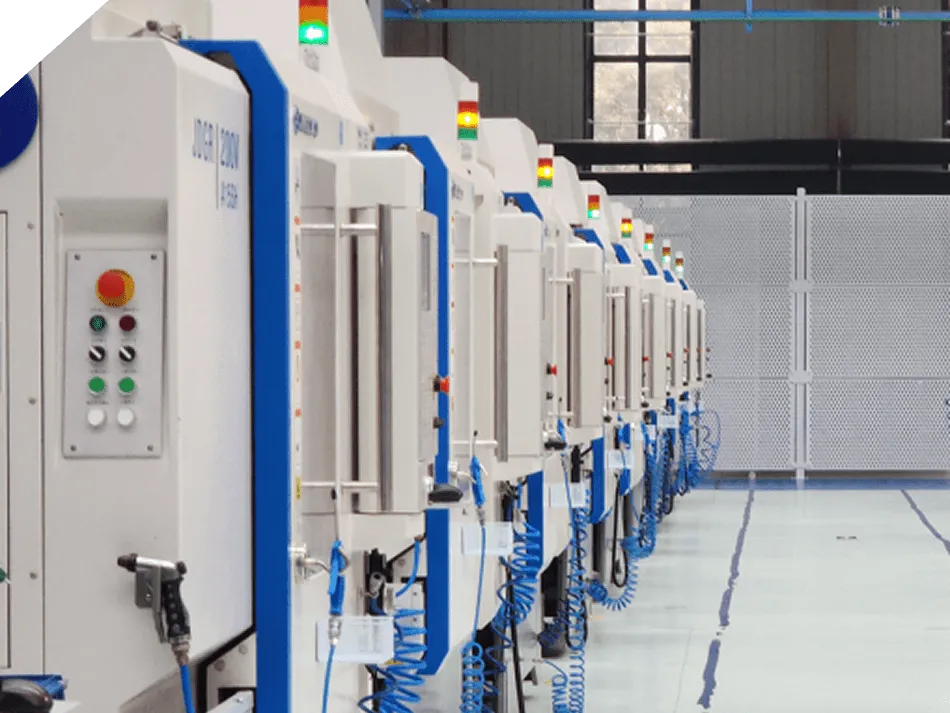
Equipped with over 450 advanced 5-axis Swiss-type CNC machine centers (including Citizen, Star, and Haas units), our daily production capacity exceeds 20,000 finished implant and instrument components. Backed by an in-house R&D engineering team of 70+ specialists and a certified mechanical testing laboratory, we ensure that every Proximal Femoral Intramedullary Nail strictly adheres to international metallurgical and mechanical standards (ASTM F136, ISO 5832-3, and ISO 7206-4 dynamic fatigue testing).
Low MOQ & Flexible Mixed-SKU Orders
Custom Private Labeling & Laser Marking
Complete Technical Dossiers (STED, DHF)
100% Lot Traceability & Material Certificates
"We empower global medical device brands and hospital suppliers by providing uncompromised Swiss-level machining quality with competitive manufacturing efficiency."
What are the key biomechanical advantages of a Proximal Femoral Intramedullary Nail (PFNA) over extramedullary plating?
Intramedullary nails provide an intramedullary load-sharing axis with a substantially shorter bending lever arm compared to extramedullary dynamic hip screws (DHS). This reduces bending stress across the fracture zone, preserves periosteal blood supply through minimally invasive incision techniques, and allows immediate weight-bearing in both stable and unstable intertrochanteric fractures (AO/OTA 31-A1/A2/A3).
What material options are available for Ortix Medical Proximal Femoral Nails?
We manufacture implants in High-Strength Titanium Alloy (Ti-6Al-4V ELI conforming to ASTM F136 / ISO 5832-3) and Medical-Grade Stainless Steel (316L conforming to ASTM F138). Titanium implants offer superior biocompatibility, lower elastic modulus closer to cortical bone, reduced stress shielding, and minimal MRI artifact distortion.
Does Ortix Medical provide radiolucent surgical instrument sets for PFNA implant placement?
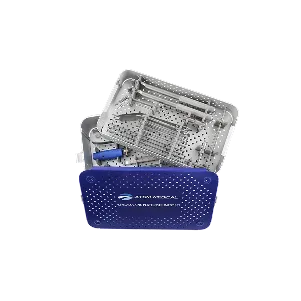
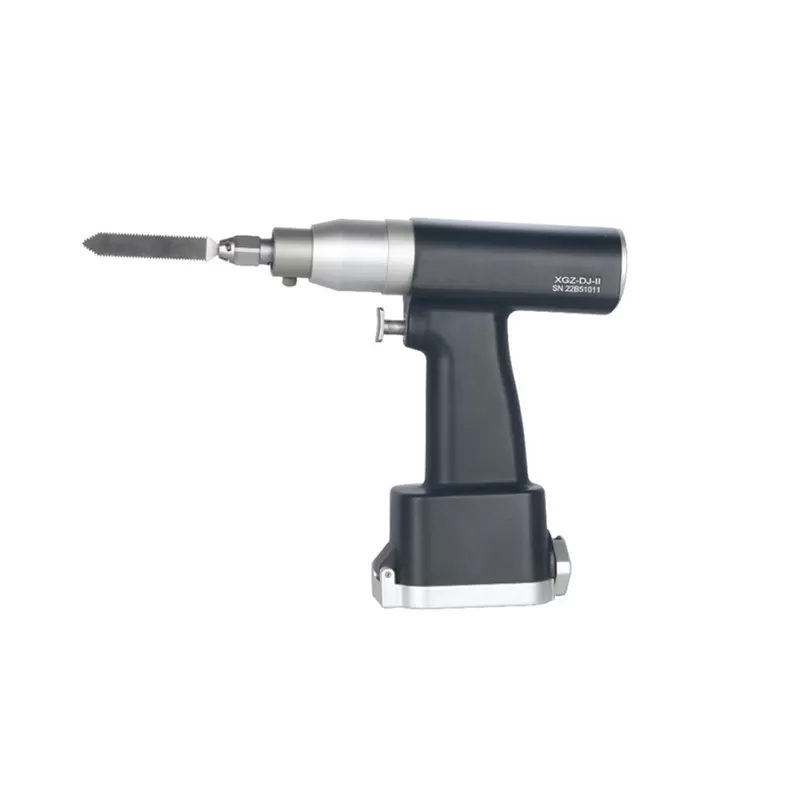
Yes. Every Proximal Femoral Intramedullary Nail family is supported by custom radiolucent carbon fiber insertion handles, precise proximal targeting jigs, tissue protection sleeves, reamers, and depth gauges engineered for seamless intraoperative fluoroscopic visualization and ergonomic handling.
What is the Minimum Order Quantity (MOQ) for OEM/ODM private label PFNA orders?
Ortix Medical Devices Co., Ltd. supports flexible low MOQ orders starting from small batches. Distributors can combine different nail lengths (short 170-240mm and long 300-420mm), helical compaction blades, lag screws, and locking end caps into a single consolidated shipment to optimize inventory turnaround.
What technical and regulatory documentation is provided for hospital tenders and national registration?
We supply comprehensive technical dossiers including ISO 13485:2016 certificates, FDA establishment registration details, material mill test reports (EN 10204 3.1), static shear and dynamic fatigue test reports (conforming to ASTM F1264 and ISO 7206 standards), step-by-step surgical technique manuals, and IFUs.
How does the helical blade design prevent cut-out in osteoporotic bone?
The helical blade is inserted by controlled driving without bone removal, compacting surrounding cancellous bone around the blade core. This compacted bone matrix provides significantly higher anchoring strength, resistance to rotational movement, and higher failure loads than conventional lag screws in osteoporotic bone.
Ready to Upgrade Your Orthopedic Trauma Portfolio?
Connect with our expert medical engineers and global export managers today. Request comprehensive catalog pricing, material certificates, and custom OEM/ODM production quotes for your market.