Industry Analysis Key Trends Shaping Suture Button Procurement
1. Paradigm Shift to Dynamic Stabilization in Ankle Trauma
Clinical literature overwhelmingly supports flexible suture button fixation over rigid metallic screws. Transsyndesmotic screws often suffer from late screw loosening, breakage during weight-bearing, or require routine removal. Global procurement managers report an accelerated replacement rate, with hospital tenders increasingly specifying Suture Button With Loop systems as standard care for high-grade syndesmotic disruptions.
2. Growth of Outpatient & Sports Medicine ASCs
Ambulatory Surgery Centers (ASCs) demand streamlined surgical sets that eliminate secondary procedures. Suture button implants allow single-stage, minimally invasive repair, reducing overall hospital stay costs, anesthesia exposure, and surgical suite turnaround times.
3. Bioabsorbable & Radiolucent Material Evolution
Future R&D efforts focused by Ortix Medical Devices Co., Ltd. involve incorporating bioabsorbable polymer buttons (PLGA/PEEK hybrid matrix) and radiolucent markers. This prevents post-operative CT/MRI artifacts while retaining high structural strength throughout the 8-12 week soft-tissue healing window.
4. Supply Chain Consolidation & OEM Standardization
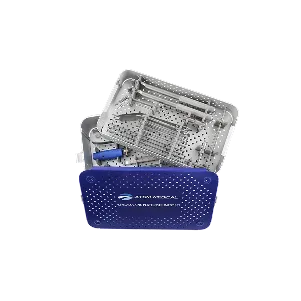
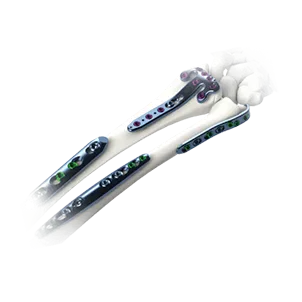
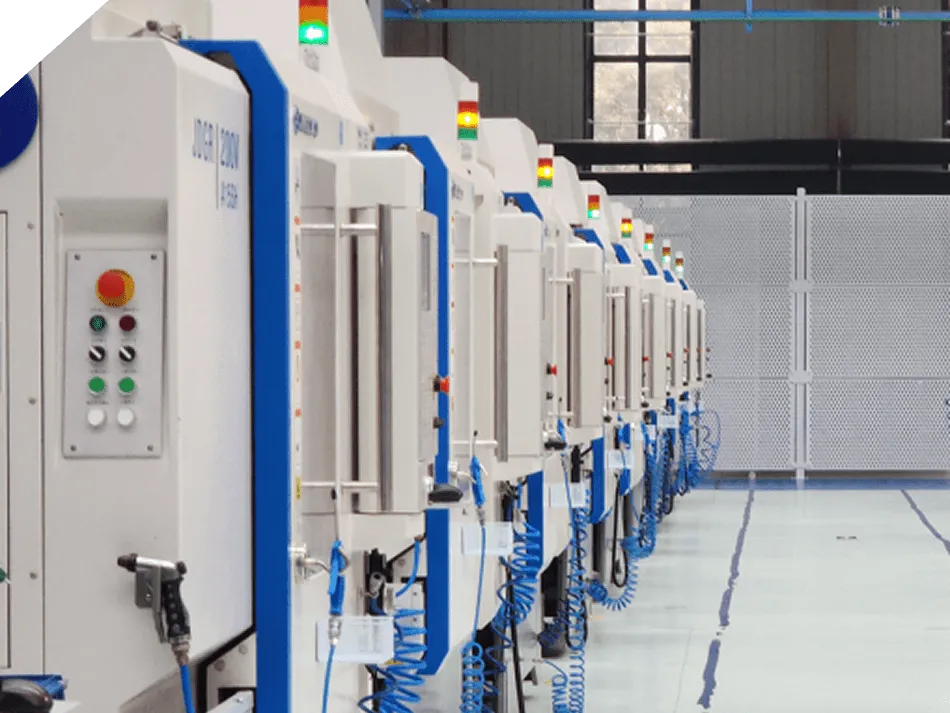
Distributors are consolidating vendor bases to mitigate supply chain bottlenecks. Partnering with a comprehensive manufacturer capable of producing titanium plates, cannulated screws, and sports medicine suture buttons under one certified ISO 13485 umbrella enables mixed-SKU freight consolidation and lower unit acquisition costs.