No matching category. Email [email protected] and our product specialists will help you locate it.
Executive B2B Procurement Guide
Cervical Interbody Fusion Cage Sourcing: Biomechanical Design, Material Trends, and OEM Strategy
In modern spinal surgery, the Cervical Interbody Fusion Cage serves as the cornerstone for Anterior Cervical Discectomy and Fusion (ACDF) procedures. Global orthopedic importers and regional distributors face growing demands for anatomical accuracy, radiolucency, stress-shielding reduction, and regulatory compliance. At Ortix Medical Devices Co., Ltd., we combine state-of-the-art multi-axis CNC manufacturing with advanced 3D additive printing to engineer high-performance PEEK and Titanium cervical fusion systems backed by complete surgical instrumentation.
60,000 m² Facility450+ Machines, ~20,000 units/day
Low MOQ OEM/ODMCustom Markings & Packaging
Enterprise Capability
Why Leading Orthopedic Brands Partner with Ortix Medical Devices Co., Ltd.
Sourcing spinal interbody devices requires precision engineering, material purity, consistent lot-to-lot tolerances, and reliable lead times. Ortix Medical Devices Co., Ltd. operates an integrated manufacturing ecosystem tailored to global B2B buyers.
60,000 m² Manufacturing Facility
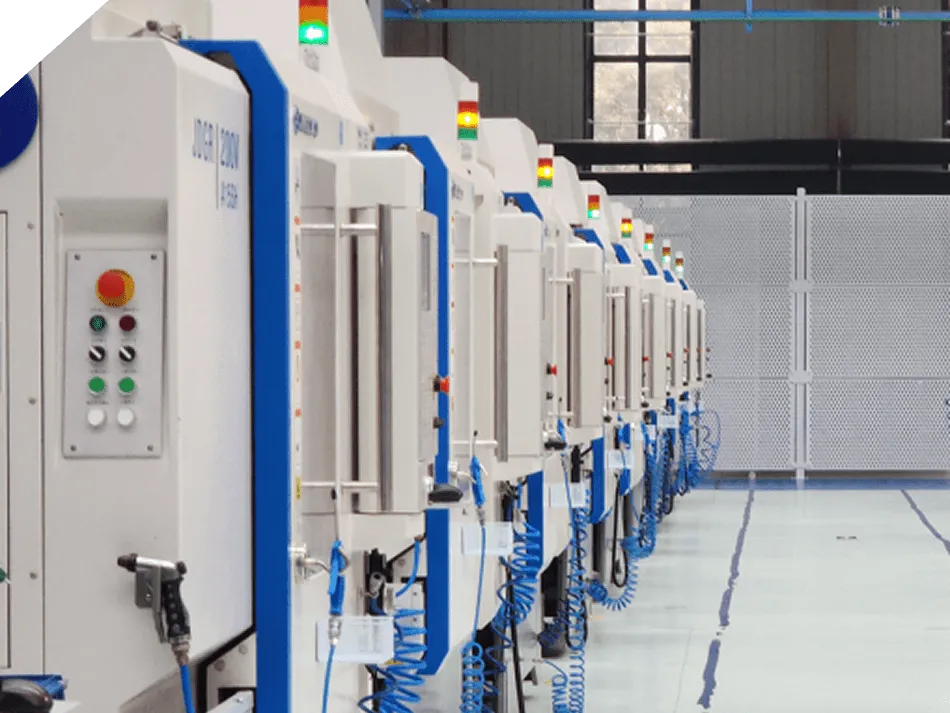
Our expansive industrial footprint houses over 450 advanced CNC machining centers, Swiss precision lathes, and 3D metal printing systems capable of producing ~20,000 implant and instrument units daily to meet large hospital tender volumes.
Our in-house biomechanical research team collaborates directly with clinical specialists and international distributors to engineer novel cage footprints, low-profile locking mechanisms, and customized surgical instrument kits.
We eliminate high financial barriers for emerging regional suppliers. Our modular inventory framework allows clients to place small-batch mixed SKU orders combining cervical cages, plates, and instruments in one container.
Every Cervical Interbody Fusion Cage is manufactured from certified implant-grade PEEK OPTIMA (ASTM F2026) or Titanium Alloy (ASTM F136). We deliver full material test reports (MTRs) and lot inspection certificates with every shipment.
High-Performance Cervical Interbody Fusion Cage Systems
Designed for lordotic restoration, immediate mechanical stability, and maximum bone graft volume during Anterior Cervical Discectomy and Fusion (ACDF).
Uni-C Stand-Alone Cervical Cage
Integrated Zero-Profile Fixation System with Self-Locking Screws
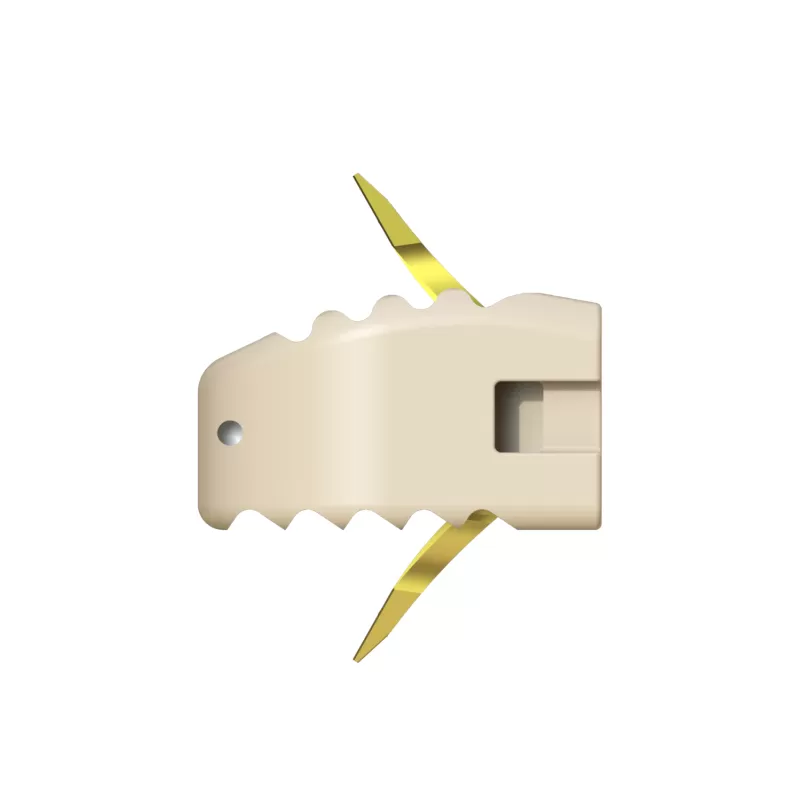
The Uni-C Stand-Alone Cervical Interbody Fusion Cage eliminates the need for supplementary anterior plating, significantly reducing operative time and minimizing post-operative dysphagia. Featuring a zero-profile anatomical contour, integrated titanium alloy locking screws, and expansive internal graft cavities, it provides superior initial stability while restoring physiological sagittal lordosis (0°, 4°, 8° options).
Radiolucent PEEK OPTIMA with Anti-Migration Serrations
Machined from medical-grade PEEK (ASTM F2026), this cage possesses an elastic modulus (~3.6 GPa) closely matching human cancellous bone to eliminate stress shielding. Embedded with 3 to 4 radiopaque Tantalum pins (ASTM F560), surgeons enjoy unobstructed intraoperative radiographic evaluation under X-ray and CT imaging, coupled with aggressive pyramidal endplate teeth to prevent expulsion.
Biomimetic Trabecular Architecture for Rapid Osteointegration
Utilizing electron beam additive manufacturing (EBM/SLM), our 3D-printed Titanium Cervical Cage features a biomimetic interconnected porous structure (500–700 μm pore diameter, 65–75% porosity). This lattice mimics human trabecular bone structure, accelerating cellular adhesion, vascularization, and bony ingrowth without the risk of surface coating delamination.
Precision Trials, Distractors, Rasps, and Quick-Connect Inserters
A high-performance implant is only as good as its delivery system. Ortix Medical Devices Co., Ltd. supplies fully customized, autoclavable stainless steel and titanium ACDF instrument trays. Includes colour-coded height trials (5mm–12mm), cervical disc distractors, endplate rasps, and secure threaded cage inserters engineered for intuitive surgical ergonomics.
Technical Matrix: Biomechanical & Material Analysis of Cervical Cages
Choosing the correct Cervical Interbody Fusion Cage material and structural geometry depends heavily on clinical indications, surgical technique, and budget considerations. Below is an engineering comparison prepared by our senior orthopedic product development team to assist procurement specialists and clinical directors in evaluating implant performance metrics:
Future Sourcing & Procurement Trends for Cervical Fusion Cages
As the global market for spinal implants expands toward 2030, procurement leaders must navigate shifting regulatory frameworks, technological advancements, and supply chain strategies.
1. Transition to Biomimetic Additive Manufacturing (3D Printing)
Traditional CNC-machined titanium cages are rapidly being replaced by additive-manufactured 3D printed cages. Global hospital tenders increasingly specify porous titanium structures with pore sizes ranging between 500 μm and 700 μm. This lattice geometry stimulates immediate osteoblast proliferation and angiogenesis, delivering faster radiographic fusion timelines (within 12 to 16 weeks) compared to conventional smooth-surfaced implants.
2. Rise of Stand-Alone Zero-Profile Constructs
To mitigate post-operative complications such as adjacent segment disease (ASD) and chronic dysphagia caused by bulky anterior cervical plates, spine surgeons are favoring zero-profile cervical interbody fusion cages. Procurement managers should focus on sourcing integrated cage systems that incorporate dual or triple locking screws, simplifying the operative workflow while offering superior clinical outcomes.
Post-pandemic medical device sourcing emphasizes supply chain flexibility. Importers and regional distributors are curtailing heavy capital tied up in massive safety stock. Manufacturing partners like Ortix Medical Devices Co., Ltd., which provide low MOQ options, quick turnarounds on customized laser marking, and mixed-SKU shipments, allow distributors to optimize cash flow while maintaining uninterrupted hospital delivery schedules.
With the implementation of the EU Medical Device Regulation (MDR) and heightened U.S. FDA 510(k) auditing standards, buyers can no longer risk importing uncertified implants. Sourcing partners must provide robust technical documentation—including dynamic fatigue testing (ASTM F2077), static axial compression (ASTM F2267), biocompatibility reports (ISO 10993), and full material traceability from raw billet to sterile pouch packaging.
Next-Generation Product Development & Biomechanical Innovations
The engineering landscape for Cervical Interbody Fusion Cages is undergoing a profound evolution driven by advanced biomaterials and digital surgical planning. Key R&D vectors driving the future of ACDF surgery include:
Nanostructured Surface Topography: Modern PEEK cages are incorporating nanometer-scale surface texturing (such as molecular Titanium vapor deposition or plasma spraying) to overcome the bio-inert nature of standard PEEK. This hybrid approach retains radiolucency and low modulus while boosting bone-to-implant contact (BIC).
Patient-Specific & Anatomically Matched Footprints: Utilizing pre-operative 3D CT reconstructions, manufacturers are expanding standard cage offerings to include hyper-anatomical lordotic angles (up to 12° or 15°) and customized concave endplate profiles that evenly distribute axial loads across the strong peripheral cortical rim of the cervical vertebrae.
Expandable Cervical Cage Architectures: Minimally invasive spinal surgery (MISS) is driving interest in micro-expandable cervical cages. These implants insert through a compact footprint and expand intraoperatively to restore disc height and lordosis without over-distracting neural structures.
Smart Sensor Integration Potential: Research labs are actively testing wireless micro-sensors embedded inside the cage window to measure intra-cage pressure, temperature, and local pH shifts, providing clinicians with real-time digital confirmation of solid osseous fusion.
Ortix Medical Devices Co., Ltd. is an internationally recognized manufacturer specializing in spine, trauma, joint, sports medicine, and CMF implants and surgical tools.
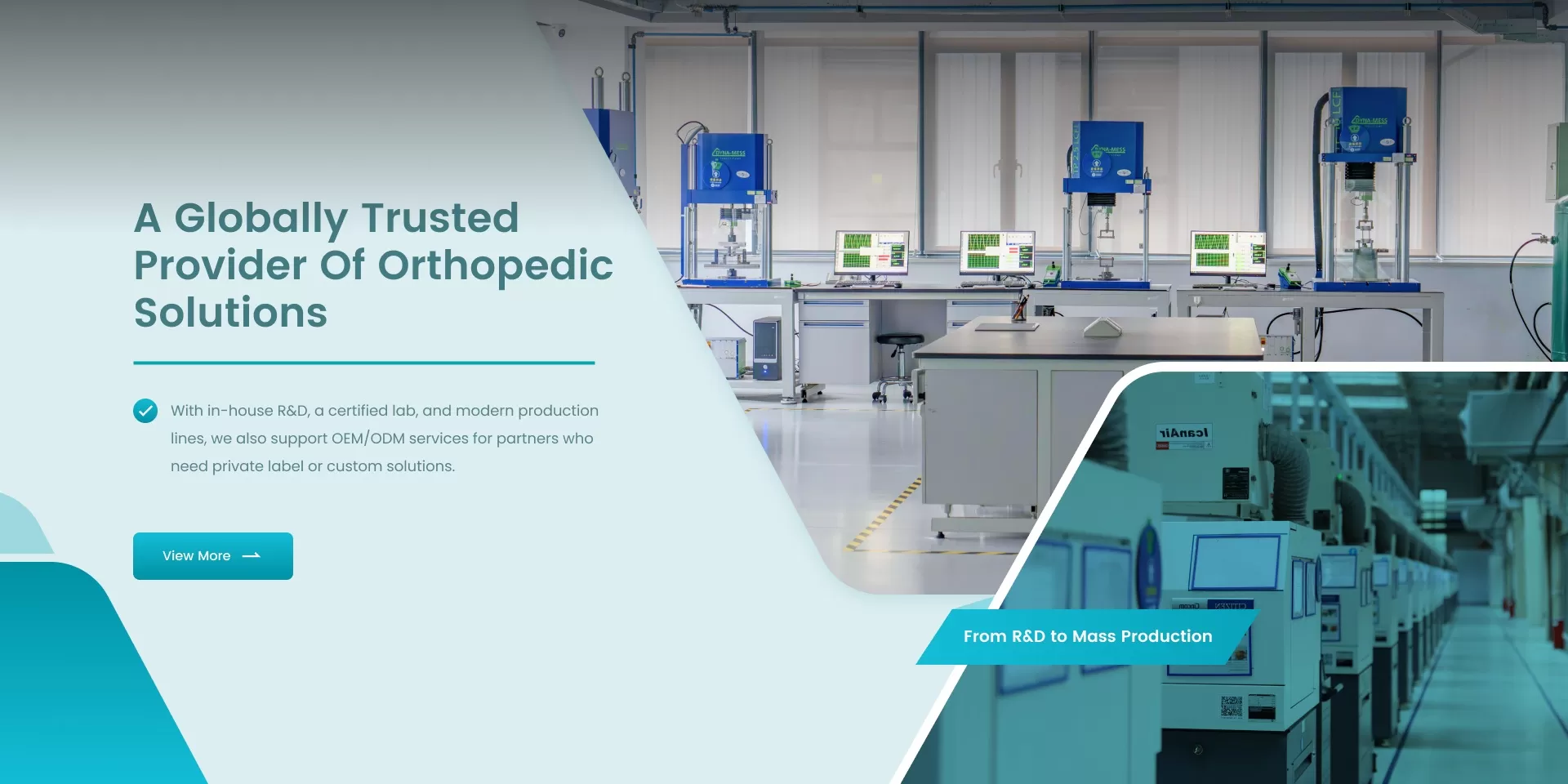
Our state-of-the-art 60,000 m² production park is equipped with high-precision 5-axis CNC machining centers, automated coordinate measuring machines (CMM), dynamic fatigue testing rigs, and ISO Class 7 cleanrooms. With a daily capacity reaching ~20,000 finished units, we empower medical device distributors across 60+ countries with reliable stock supply, rapid prototyping, custom laser engraving, and custom sterilizable packaging.
70+ R&D Bio-Engineers & Metallurgists
ISO 13485 & U.S. FDA Registered Facility
Complete ASTM F2077 Mechanical Test Validation
Matched Surgical Instrument Kits for All Implants
"Engineering anatomical perfection to enhance surgical outcomes and streamline global orthopedic supply chains."
What raw materials are used in Ortix Medical Devices Co., Ltd.'s Cervical Cages?
Our radiolucent cages are precision-machined from implant-grade PEEK OPTIMA (conforming to ASTM F2026) equipped with radiopaque Tantalum markers (ASTM F560). Our 3D-printed porous cages are additive-manufactured using Ti-6Al-4V ELI titanium alloy powder (ASTM F136), offering supreme biocompatibility, mechanical durability, and osteoconductivity.
What is the Minimum Order Quantity (MOQ) for OEM/ODM orders?
We offer flexible low MOQ requirements to support emerging distributors. Standard catalog sizes for PEEK and 3D Titanium cages can be ordered in small mixed batches. Custom private-label laser marking, custom anodization, and specialized packaging boxes are available with low threshold volume commitments.
Do you supply matching surgical instrument sets for ACDF procedures?
Yes. Ortix Medical Devices Co., Ltd. provides comprehensive, color-coded ACDF surgical instrument sets packaged in protective sterilizable trays. Instruments include trial spacers (5mm to 12mm heights), disc distractors, rasps, bone graft tampers, and quick-connect inserters designed specifically for our cage footprints.
What quality certifications and regulatory documents do you provide?
Ortix Medical Devices Co., Ltd. operates under an ISO 13485 certified quality system and is registered with the U.S. FDA. We furnish qualified distributors with complete technical dossiers, material certificates (MTRs), mechanical test reports (axial compression, static shear, and dynamic fatigue per ASTM F2077/F2267), and sterilization validation studies.
How do your cage designs prevent post-operative subsidence and expulsion?
Our cages feature aggressive unidirectional or directional pyramidal teeth (anti-migration serrations) engineered into the superior and inferior contact surfaces. Anatomical endplate profiling maximizes surface contact area across the dense peripheral cortical bone, preventing point loading and minimizing risk of subsidence into soft cancellous bone.
What lead times can distributors expect for production and delivery?
With over 450 machines operating across our 60,000 m² plant, standard catalog items ship within 7 to 14 business days. OEM customized production runs (including custom sizing, surface modification, or private-label packaging) typically follow an expedited 30-to-45 day manufacturing cycle.