Blog

2026 Best Orthopedic Implant Factory for Global Buyers
Choosing the best orthopedic implant factory for global buyers in 2026 requires more than comparing unit prices. The World Health Organization reports that musculoskeletal conditions affect approximately 1.71 billion people worldwide. This burden continues to support demand for reliable joint, trauma, and spinal implants. Market forecasts from Grand View Research also indicate steady growth in the global orthopedic devices sector, although estimates differ by region and product category.
A qualified orthopedic implant factory should demonstrate controlled machining, validated cleaning, and complete material traceability. Buyers should be able to inspect titanium or cobalt-chrome certificates, laser-marking records, and batch-release documents. A cleanroom alone proves little. Process discipline matters more. The factory should operate under ISO 13485 quality management principles and maintain documented risk controls aligned with applicable market requirements. In the United States, the FDA’s Quality Management System Regulation, published in 2024 and effective in 2026, further emphasizes alignment with ISO 13485:2016.
Supplier audits should examine more than polished production lines. Ask how nonconforming implants are isolated, how supplier changes are approved, and how complaints are investigated. These details reveal real manufacturing experience. No factory is perfect. Even an experienced supplier may have gaps in automation, international registration support, or small-batch flexibility. That gap matters. A transparent factory will acknowledge limitations and provide corrective actions, validation evidence, and realistic delivery timelines. For global buyers, the strongest choice is not simply the largest manufacturer. It is the partner that combines engineering capability, regulatory awareness, traceability, and accountable communication. Evidence matters.
Read more »
 By:Amelia
- October 28, 2026
Top Orthopedic Implant Companies for Global Buyers
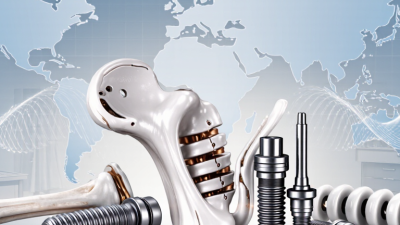
Choosing the right orthopedic implant company requires more than comparing product catalogs or market share. Global buyers must examine clinical evidence, manufacturing controls, regulatory status, and long-term service. A reliable supplier should explain implant materials, sterilization methods, traceability systems, and quality certifications clearly. It should also provide evidence from real surgical settings, not only polished marketing claims.
This guide introduces leading orthopedic implant companies serving hospitals, distributors, and healthcare systems worldwide. It considers joint replacement, trauma fixation, spinal devices, and supporting instruments. Product consistency matters. So does surgeon training. A well-designed hip stem can still create problems if instruments are poorly matched or technical support is unavailable. Buyers should review local registration requirements, import procedures, warranty terms, and post-market surveillance records before making commitments.
Details matter most.
No company is perfect. Even established manufacturers may face supply delays, regional limitations, or changing approval requirements. Some public information may also be incomplete or difficult to compare. That uncertainty deserves attention. The companies discussed here are therefore assessed through practical criteria, including engineering experience, clinical reputation, production capacity, documentation quality, and responsiveness to healthcare professionals. Readers should verify current approvals and performance data with regulators, surgeons, and procurement specialists. A careful decision protects more than a purchasing budget; it supports surgical consistency, patient safety, and trust across the healthcare supply chain.
Read more »
By:Amelia
- October 23, 2026
What Is an Orthopedic Device Manufacturer?
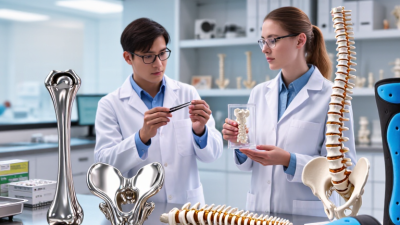
An orthopedic device manufacturer develops, produces, and supports products that help restore movement, stability, or comfort. These products may include joint implants, bone plates, spinal systems, braces, surgical instruments, and rehabilitation devices. The work extends far beyond shaping metal or molding polymer. It connects engineering decisions with anatomy, surgical technique, manufacturing controls, and patient needs.
A reliable orthopedic device manufacturer begins with a defined clinical problem. Engineers may study how a knee implant bears repeated loads or how a brace fits around swelling tissue. Materials are selected for strength, wear resistance, sterilization compatibility, and patient safety. Prototypes undergo dimensional checks, fatigue testing, surface inspections, and packaging evaluations. Manufacturing teams also maintain traceability, documented procedures, supplier controls, and quality systems aligned with recognized medical-device requirements.
The details matter.
A small burr, inconsistent coating, or unclear instruction can affect clinical performance. Experienced manufacturers therefore work with surgeons, therapists, quality specialists, and patients during development and review. They examine complaints, monitor product performance, and investigate unexpected results instead of dismissing them. No manufacturer gets every decision right. That reality deserves honest attention. A strong company learns from design revisions, production errors, and field feedback while protecting patient welfare. Understanding this role helps readers distinguish a medical-device producer from an ordinary industrial supplier. It also provides a practical way to evaluate expertise, evidence, manufacturing discipline, and long-term responsibility.
Read more »
By:Amelia
- October 18, 2026

How to Choose the Best Orthopedic Implant Supplier
Choosing the right orthopedic implant supplier is a clinical, operational, and financial decision. It reaches beyond product price. A surgeon needs predictable instrumentation, verified materials, and responsive technical support. A hospital also needs traceability, training, and dependable delivery when an operating room is scheduled.
Market evidence shows why this decision deserves scrutiny. Grand View Research estimated the global orthopedic implants market at approximately USD 49.4 billion in 2023. Its report forecasts continued growth through 2030. Estimates vary between research firms, however. That difference deserves attention, not blind acceptance. The American Joint Replacement Registry has also reported millions of hip and knee procedures, creating stronger demand for consistent implant performance and long-term follow-up.
“The number of primary total knee arthroplasties is projected to increase 673% by 2030,” wrote Dr. Steven M. Kurtz and his research colleagues in The Journal of Bone & Joint Surgery. That projection highlights a practical concern: supplier capacity must grow without weakening quality controls. A reliable orthopedic implant supplier should demonstrate regulatory compliance, published clinical evidence, stable manufacturing, and transparent complaint handling. Ask for lot-level traceability. Examine sterilization records. Review surgeon feedback, not just sales presentations.
A polished catalogue is not proof.
The best evaluation also tests real-world behavior. How quickly does the supplier replace a damaged tray? Can its representative support a complex revision case at 6 a.m.? Are training materials clear for new staff? No scorecard is perfect. Still, a documented comparison is safer than choosing from familiarity, discounts, or attractive promises alone.
Read more »
 By:Evelyn
- October 13, 2026
10 Best Orthopedic Surgical Instruments Manufacturers
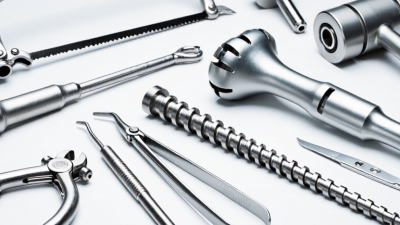
Orthopedic surgery depends on instruments that feel precise in the hand, not merely impressive in a catalogue. A reliable orthopedic surgical instruments manufacturer must combine metallurgy, ergonomic design, sterilization compatibility, and documented quality controls. The smallest flaw can matter: a loose rongeur joint, a dull bone saw, or an unclear depth marking may interrupt a demanding procedure.
The World Health Organization reports that musculoskeletal conditions affect approximately 1.71 billion people worldwide. Its 2022 global report also identifies musculoskeletal disorders as a major source of disability. These figures help explain the expanding need for trauma, arthroscopy, joint-replacement, and spinal instruments. Market estimates differ, however. Grand View Research and Fortune Business Insights publish different orthopedic-device valuations because they use different product categories and regional assumptions. That uncertainty deserves attention.
Orthopedic surgeon and medical-device educator Dr. Thomas P. Schmalzried has emphasized, “Technology should serve the patient, not the other way around.” This principle matters when comparing manufacturers. Product breadth alone is weak evidence. Buyers should examine clinical feedback, ISO 13485 certification, traceability, material testing, repair support, and sterilization instructions. The U.S. FDA’s quality-system requirements provide another important reference point.
The best manufacturers also show practical experience. Can their instruments maintain alignment during repeated use? Are handles comfortable after an hour in a wet operating field? Do service teams respond before a missing tray delays surgery?
No ranking is perfect. Manufacturing scale can hide inconsistent support. Smaller companies may offer sharper customization. This guide evaluates ten leading orthopedic surgical instruments manufacturer candidates through evidence, usability, quality discipline, and long-term clinical value.
Read more »
 By:Oliver
- October 8, 2026
China Top 10 Orthopedic Implants and Instruments Suppliers?
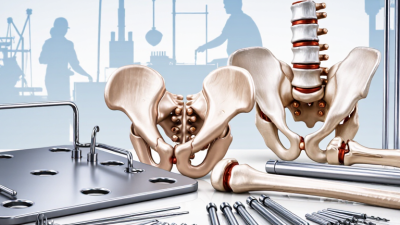
China’s orthopedic manufacturing sector is gaining attention as hospitals seek reliable, cost-conscious clinical solutions. The World Health Organization estimates that musculoskeletal conditions affect approximately 1.71 billion people worldwide. This burden supports continuing demand for orthopedic implants and instruments, including trauma plates, spinal systems, joint replacements, and surgical tools.
Market forecasts show strong commercial potential, although estimates vary by product scope. Grand View Research valued the global orthopedic devices market at about USD 47 billion in 2023. Its report projects continued growth through 2030, supported by aging populations, sports injuries, and improved surgical access. Fortune Business Insights also identifies joint reconstruction, trauma fixation, and spinal devices as important market segments. These reports provide useful context for evaluating Chinese suppliers, but they do not create a definitive national ranking.
This guide examines ten notable Chinese manufacturers through practical procurement criteria. These include product registration, ISO 13485 quality systems, clinical evidence, research investment, manufacturing capacity, and international distribution. Hospital adoption and after-sales support also matter. A polished catalogue is not enough. Buyers should review sterilization records, instrument compatibility, traceability, and surgeon feedback before making decisions. Public financial data remain uneven across private companies. That limitation deserves attention. Therefore, the following selection should be viewed as an informed industry shortlist, rather than an official league table. It aims to help distributors, hospitals, and medical-device professionals compare capabilities with greater clarity and appropriate caution.
Read more »
By:Evelyn
- October 3, 2026
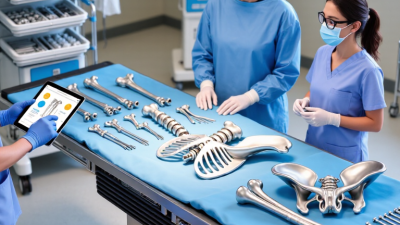
How to Choose an Orthopedic Implants Manufacturer in 2026?
Choosing an orthopedic implants manufacturer is a clinical and operational decision, not merely a purchasing exercise. A hip stem or spinal screw must fit the procedure, arrive reliably, and perform as intended over time. Small details matter: material traceability, clear lot records, and practical support when a surgical team needs an answer. The stakes are tangible.
Grand View Research valued the global orthopedic implants market at USD 47.6 billion in 2023 and projected a 4.9% compound annual growth rate from 2024 to 2030. This forecast signals a growing, competitive market; it does not prove that any particular supplier offers better clinical results. Numbers need context. Healthcare strategy scholar Michael E. Porter’s value framework offers a useful lens: “Value is defined as the health outcomes achieved that matter to patients relative to the cost of achieving those outcomes.” For buyers, that means looking beyond unit price.
This guide outlines how to assess an orthopedic implants manufacturer across product quality, materials expertise, clinical evidence, manufacturing consistency, supply continuity, and post-market support. Ask how the company tracks components from raw material to finished implant. Review the evidence behind product claims, and check whether training and technical support match your team’s needs. A polished catalog is not enough. Nor is a low quote. Supplier comparisons can be imperfect, especially when data are not directly comparable; make those gaps part of the evaluation, not an afterthought.
Read more »
By:Oliver
- September 29, 2026
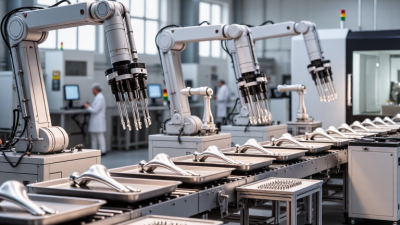
China Top 10 Orthopedic Implant Manufacturers for Global Buyers
Choosing among China’s top 10 orthopedic implant manufacturers takes more than comparing prices or polished product catalogs. Buyers need to examine manufacturing capability, material controls, product documentation, and the support available after delivery. A hip stem may look simple on a drawing. Its surface finish, dimensions, and traceability records matter in practice.
This guide introduces orthopedic implant manufacturers serving global buyers and explains what to assess before requesting a quotation. The companies are presented as a starting point for research, not as a universal ranking. Product ranges and export experience can change, and a supplier’s strengths may vary by implant type. Check current product specifications, quality certificates, and relevant market requirements directly with each manufacturer. Ask how the supplier handles batch records, inspection, packaging, and technical questions. Small details count.
Price alone rarely tells the full story. Lead times, communication, documentation quality, and service consistency can affect procurement long after an order is placed. Buyers should also confirm that a product is appropriate for its intended market and clinical use through qualified professionals and the applicable review process. A factory visit or independent assessment may offer useful context, but neither replaces careful document review. Some information can be hard to verify from a website. That deserves attention, not assumption. Use the profiles and comparison points in this article to build a practical shortlist, then validate each candidate against your own clinical, technical, and purchasing requirements.
Read more »
By:Oliver
- September 29, 2026
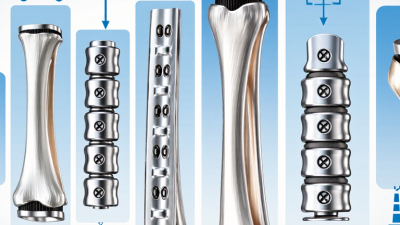
10 Best Orthopedic Implants Suppliers for Global Buyers
Choosing an orthopedic implants supplier is a clinical and operational decision, not merely a price comparison. Implants must fit surgical needs, arrive reliably, and come with clear technical documentation. Buyers also need to assess manufacturing consistency, surgeon support, and the supplier’s ability to serve different markets. Small details matter: a delayed instrument tray can disrupt a scheduled procedure.
Industry data shows why careful sourcing matters. Grand View Research estimated the global orthopedic implants market at approximately USD 47.6 billion in 2023 and forecast continued growth through 2030. This estimate reflects rising demand for joint reconstruction and other orthopedic procedures, though market forecasts vary by source and methodology. The World Health Organization’s 2022 Global Report on Assistive Technology also highlights the broader importance of access to appropriate assistive products. Implants are not a substitute for clinical judgment, but dependable supply helps care teams deliver planned treatment.
As orthopedic surgeon and outcomes researcher Dr. Joshua J. Jacobs has emphasized in his work, implant decisions should be judged by patient outcomes and value, not purchase price alone. This is a paraphrase, not a verified direct quotation. That distinction matters. A credible supplier comparison should separate documented capabilities from marketing claims and should acknowledge where evidence is limited. The following list examines ten suppliers through practical criteria, including product range, quality systems, global service, and publicly available company information. No ranking can replace a hospital’s own clinical and procurement review.
Read more »
By:Amelia
- September 29, 2026