High-Precision Orthopedic Implant Portfolio
Explore our featured spinal, trauma, joint, dental, and veterinary osteosynthesis implants. Precision-machined from medical-grade Titanium Alloy (Ti-6Al-4V ELI) and PEEK, engineered for optimal clinical biomechanics and international regulatory approval.
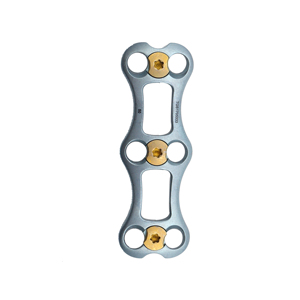
Medical Titanium Anterior Cervical Spine Locking Plate Orthopedic Spinal Implant Device
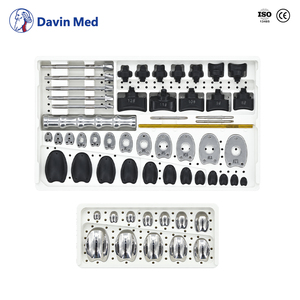
Davin Med Veterinary Orthopedic Hip Replacement System for Canine Luxation & Dysplasia
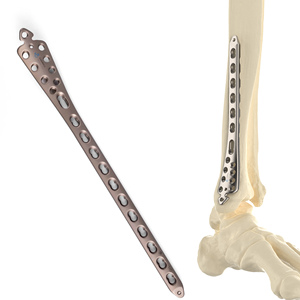
CANWELL Distal Medial Tibial Locking Plate 3.5mm Compression Bone Trauma Implant
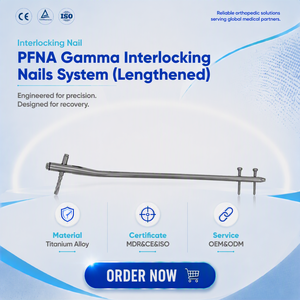
Medical Intramedullary PFNA Interlocking Nails Lengthened Orthopedic Titanium Implants
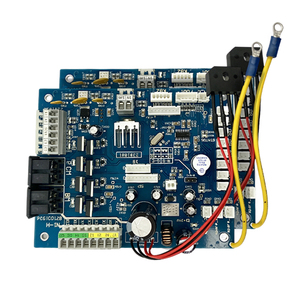
Ergonomic Dental Chair PCBA & Control Board Assembly for Advanced Oral Treatment Equipment
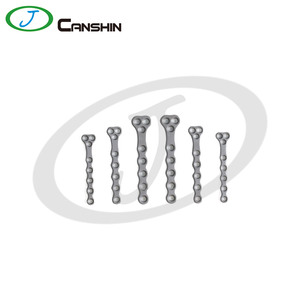
Veterinary Orthopedic T-Shape Reconstruction Locking Plate (Pure Titanium Gr. 2/4)
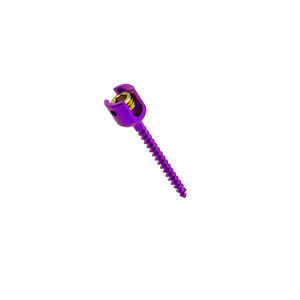
Monoaxial Pedicle Screw System for Spinal Fixation Fusion Surgery (Titanium 5.5mm/6.0mm)
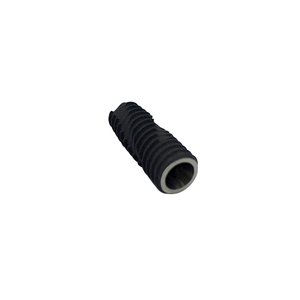
Titanium Alloy Dental Implant Precision CNC Machining & Surface SLA Treatment Services
Global Production Power & Precision Engineering
Our centralized manufacturing complex operates under strict ISO 13485:2016 quality management systems, equipping medical device distributors with unmatched supply chain stability and rapid order turnaround.
Navigating the Global Orthopedic Implant Supply Chain: An Executive Whitepaper
The global market for orthopedic implants and trauma reconstruction systems is undergoing a monumental paradigm shift. As healthcare authorities, hospital networks, and surgical centers demand tighter quality controls, the onus falls on orthopedic implant distributors, suppliers, and exporters to navigate intricate regulatory compliance, volatile raw material costs, and heightened expectations for clinical performance. Achieving competitive advantage in today's medical device ecosystem requires moving beyond traditional pricing battles toward establishing resilient, highly certified manufacturing partnerships.
This whitepaper provides an exhaustive technical and strategic guide for international B2B procurement officers, medical device importers, and OEM/ODM private-label brand owners. By analyzing regulatory mandates under the European Union Medical Device Regulation (EU MDR 2017/745), biomechanical material advancements, and optimized supply chain architectures, this document outlines how global distributors can achieve long-term market dominance while upholding the highest standards of patient safety.
1. Regulatory Harmonization & Technical Documentation: EU MDR (2017/745) vs. MDD (93/42/EEC)
The transition from the legacy Medical Device Directive (MDD 93/42/EEC) to the stringent European Medical Device Regulation (EU MDR 2017/745) has fundamentally altered the export environment. For Class IIb and Class III orthopedic implants—including spinal pedicle screw systems, intramedullary nails, locking plates, and joint prostheses—regulatory compliance is no longer a static milestone but an ongoing clinical process.
European CE certification now demands rigorous Clinical Evaluation Reports (CER), comprehensive Post-Market Clinical Follow-up (PMCF) data, and full material traceability via Unique Device Identification (UDI) coding. Global distributors sourcing from third-party OEMs must ensure their manufacturing partners maintain an unannounced audit-ready Quality Management System compliant with ISO 13485:2016 and US FDA Quality System Regulation (QSR 21 CFR Part 820).
Full Technical File (TDF) Support
Complete technical documentation packages provided for local product registration dossiers (FDA 510(k), CE MDR Technical Files, CFS, and Material Test Certificates EN 10204 3.1).
Device History Record (DHR) Traceability
Every production batch undergoes 100% optical dimensional verification and material heat-lot tracking, ensuring batch-to-batch repeatability and absolute zero recall rates.
Sterile & Non-Sterile Packaging Options
Supplied in cleanroom-packed ISO Class 7 double Tyvek blister packs (EO/Gamma sterilizable) or non-sterile protective bulk configurations for local hospital sterilization.
2. Biomechanical Engineering & Bio-Material Science
The clinical performance of bone fixation plates, intramedullary nails, pedicle screws, and dental fixtures relies heavily on material metallurgy and surface engineering. Modern implant manufacturing utilizes medical-grade alloys specifically selected for their bio-inertness, mechanical fatigue strength, and modulus of elasticity matching natural cortical bone.
| Material Standard | Tensile Strength (MPa) | Yield Strength (MPa) | Young's Modulus (GPa) | Key Clinical Applications |
|---|---|---|---|---|
| Ti-6Al-4V ELI (ASTM F136 / ISO 5832-3) | ≥ 860 MPa | ≥ 790 MPa | 110 GPa | Spinal Pedicle Screws, Trauma Locking Plates, PFNA Nails |
| CP Pure Titanium Grade 2 / 4 (ASTM F67) | 345 – 680 MPa | 275 – 520 MPa | 105 GPa | Maxillofacial Plates, Veterinary T-Plates, Cranial Mesh |
| PEEK OPTIMA (ASTM F2026) | 90 – 100 MPa | 110 – 130 MPa | 3.6 GPa (Radiolucent) | Spinal Interbody Fusion Cages (ACDF, PLIF, TLIF), Cranial Repair |
| 316L Stainless Steel (ASTM F138 / ISO 5832-1) | ≥ 860 MPa | ≥ 690 MPa | 200 GPa | Cost-Effective Trauma Fixation, External Fixation Rods |
Mitigating stress shielding—a phenomenon where high-modulus metal implants absorb mechanical loads, leading to adjacent bone resorption—remains a core goal in implant R&D. By utilizing advanced 5-axis CNC high-speed milling and EDM spark erosion, complex geometry features such as porous trabecular surface structures and dynamic compression screw slots are precisely machined. Advanced surface modifications, including Type II Anodization (color-coded sizing) and SLA (Sandblasted, Large-grit, Acid-etched) osteoconductive coatings, dramatically accelerate peri-implant osseointegration.
Future Trends in Orthopedic Implant Development & Global Sourcing
As global healthcare expenditures grow and surgical procedures become increasingly localized in ambulatory surgical centers (ASCs), orthopedic procurement strategies must evolve. Distributors must anticipate the following four macro industry trends:
1. Additive Manufacturing & 3D Porous Titanium Cages
Selective Laser Melting (SLM) and Electron Beam Melting (EBM) 3D printing allow for the creation of open-pore titanium implants with interconnected porosity (60-80% void volume), mimicking natural cancellous bone and eliminating the need for autologous bone grafts.
2. Minimally Invasive Surgery (MIS) System Optimization
Surgical techniques are leaning toward smaller incisions, requiring low-profile implants and specialized cannulated instrumentation. Percutaneous pedicle screw systems and intra-fracture intramedullary nail guides significantly reduce patient recovery times.
3. Rapid Growth in Veterinary Orthopedics & Arthroplasty
The global veterinary orthopedic market is experiencing exponential growth. Canine hip replacement systems, TPLO (Tibial Plateau Leveling Osteotomy) plates, and patellar luxation implants present lucrative, high-margin opportunities for medical device distributors.
Furthermore, distributors are increasingly rejecting inflexible high-MOQ sourcing models. The demand for low MOQ, mixed-SKU ordering models enables regional suppliers to consolidate spinal cages, trauma locking plates, surgical screws, and matching instrument trays into unified, low-risk container shipments, maximizing working capital liquidity.
Enterprise Manufacturing Advantages for Global Importers
As a direct manufacturer and exporter with decades of biomechanical expertise, our infrastructure is tailored to serve international hospital tenders, private-label brands, and regional medical device distributors.
One-Stop Full Portfolio Sourcing
Consolidate your supply chain across Spine, Trauma, Joint Replacement, Sports Medicine, CMF, External Fixators, Orthopedic Power Tools, and Veterinary Systems from a single certified factory.
Comprehensive OEM / ODM Customization
In-house laser etching for private labeling, customized color anodization, bespoke instrument tray layout, and custom packaging design catered to regional regulatory standards.
Turnkey Surgical Instrument Sets
Implants are paired with reusable, ergonomically balanced stainless steel and titanium instrument kits, complete with custom aluminum sterilization boxes.
Frequently Asked Questions by Orthopedic Buyers
Get instant answers to critical questions regarding certification, order customization, lead times, and regulatory support for orthopedic implant procurement.
✔ What quality certifications do your orthopedic implants carry for global export?
Our manufacturing facilities operate strictly under ISO 13485:2016 certified Quality Management Systems and are US FDA registered. Our major implant lines hold CE certification under European medical device directives/regulations. We provide full material test certificates (EN 10204 3.1) and Certificate of Free Sale (CFS) to support seamless local registration.
✔ What is the typical Minimum Order Quantity (MOQ) for distributor orders?
We offer highly flexible low-MOQ ordering models tailored for regional distributors. You can combine mixed SKUs—such as various sizes of cervical locking plates, pedicle screws, intramedullary nails, and matching instrument sets—in a single consolidated purchase order without high volume penalties.
✔ Can you provide custom OEM/ODM private labeling and packaging services?
Yes. Our engineering and graphic departments provide turnkey OEM/ODM services, including customized laser-etched logos, part numbering, custom anodization colors, sterile pouch/blister sealing, custom box artwork, and Instruction for Use (IFU) translation for your target territory.
✔ How do you guarantee batch-to-batch quality and dimensional precision?
Every production line employs high-precision Japanese Citizen Swiss lathe CNCs and German DMG Mori 5-axis machining centers. Final quality control utilizes Zeiss 3D CMM optical inspection devices, 100% thread gauge verification, and destructive mechanical fatigue testing (ISO 14801 / ASTM F2193) per lot standard.
✔ Are evaluation samples available prior to placing bulk commercial orders?
Yes, qualified medical device distributors, hospital procurement managers, and OEM partners can request product evaluation samples. This allows clinical teams to inspect surface finish, micro-tolerances, mechanical fit, and surgical instrument handling prior to placing contract orders.
✔ What are standard lead times for manufacturing and international dispatch?
Standard catalog items (such as standard titanium pedicle screws and trauma plates) are typically dispatched within 7–15 working days from stock reserves. Custom OEM/ODM orders or specialized bulk implant orders generally ship within 25–35 days via express air freight or ocean freight depending on customer preference.
Ready to Upgrade Your Orthopedic Implant Supply Chain?
Connect directly with our senior medical device export specialists today. Request full product catalogs, CE/ISO technical dossiers, factory audit access, and factory-direct wholesale pricing.