Standardized & Custom Orthopedic Solutions
Engineered in ISO 13485 and FDA-registered facilities. Each device is optimized for biomechanical durability, surgical precision, and seamless integration into global distributor portfolios.
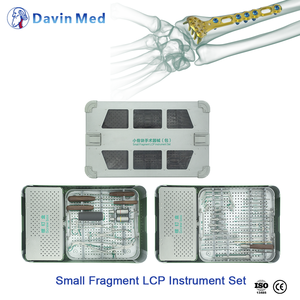
Medical Orthopedic Small Fragment Instrument Set Screw Box for Upper Limb Trauma Fracture Fixation Surgery Autoclavable Kit
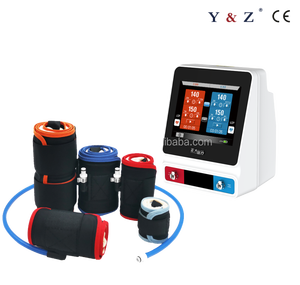
Y&Z YTQ-G CE Approved Surgical Orthopedic Electric Pneumatic Tourniquet System Class II China Manufacturer
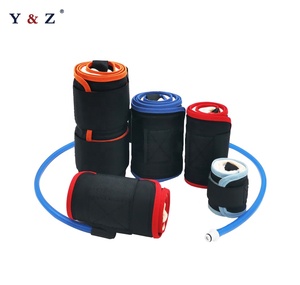
High Quality Orthopedic Pneumatic Tourniquet Cuff Electricity Powered ABS Reusable CE Certified OEM/ODM China Manufacturer
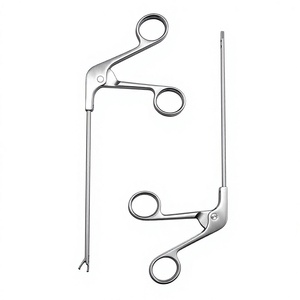
OEM 203mm Arthroscopy Grasping Forceps Serrated Jaw Stainless Steel Surgical Instrument Orthopedic Medical Device
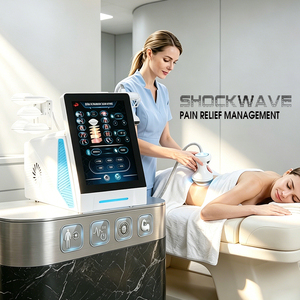
Medical Grade Focused ESWT Shockwave Machine 20Hz Frequency Chronic Pain Relief Device Manufacturer
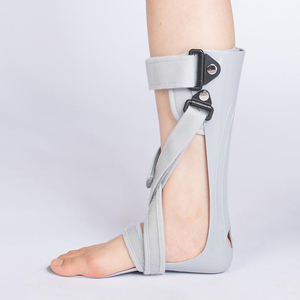
Factory Direct Sales Prosthetic Medical Orthopedic Foot Support Drop Splint Traction Brace Orthosis Shell Afo Equipment Device
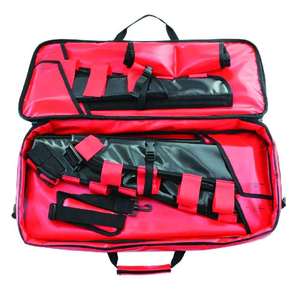
EVERISE CE Manual Multi Functional Splint Orthopedic Cushion Emergency Kit First Aid Medical Rescue Fracture Fixation Set Model
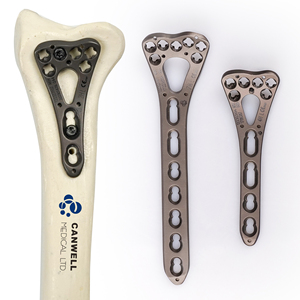
CANWELL 2.4 2.7mm VA Titanium Distal Palmar Radius Locking Plate Volar Wrist Price Bone Fracture Orthopedic Implants CE ISO
Navigating China's Top Orthopedic Medical Device Manufacturing Landscape
The global market for orthopedic implants and trauma instruments is undergoing a paradigm shift. China has evolved from a low-cost contract manufacturing hub into a high-precision, technologically advanced manufacturing engine powering global medical device brands and hospital procurement networks.
For medical device importers, brand owners, and regional hospital distributors, evaluating top China orthopedic factories requires looking beyond basic unit cost. Evaluating enterprise capability requires analyzing five core structural indicators: metallurgical traceability, precision tolerances (±0.005mm), ISO 13485 / FDA Quality Management System (QMS) integration, cleanroom environmental controls, and in-house mechanical testing rigor (ISO 7206, ASTM F2077, ASTM F543).
Global Sourcing & Tech Trends in Orthopedic Device Procurement (2025–2030)
As health system purchasing committees and global distributors tighten regulatory and operational requirements, procurement managers must align with manufacturing partners capable of supporting next-generation clinical demands.
1. Additive Manufacturing & 3D Trabecular Structures
The market is rapidly transitioning from traditional machined PEEK cages to 3D-printed porous Titanium (Ti-6Al-4V ELI) constructs. Selective Laser Melting (SLM) enables interconnected pore geometries (60-80% porosity) that emulate human cancellous bone, dramatically accelerating osseointegration while reducing stress shielding.
2. Variable-Angle (VA) Multi-Axial Fixation
Mono-axial locking plates are being superseded by Variable-Angle (VA) locking mechanisms in distal radius, distal tibia, and proximal humerus fractures. Surgeons demand ±15° trajectory flexibility without sacrificing construct stability, pushing manufacturers to adopt proprietary high-strength thread-locking geometries.
3. Regulatory Harmonization & MDR Compliance
With EU MDR enforcement and stricter FDA 510(k) auditing standards, OEM buyers are demanding complete Technical Files (TF) directly from Chinese manufacturing partners. Factories holding ISO 13485 with pre-vetted biocompatibility data (ISO 10993) significantly shorten regional registration timelines.
4. Supply Chain Consolidation & Kit Systems
Hospitals reject fragmented purchasing. Leading distributors are shifting toward complete, single-source surgical procedure kits—combining implants, specialized drill bits, trial sizers, and ergonomic autoclavable sterilization trays into unified SKUs.
5. Powered Surgical Tool Integration
Orthopedic trauma procedures increasingly rely on brushless DC motor powered handpieces (cannulated drills, oscillating saws, and reamers). Modern factories are integrating electronics assembly into mechanical plant lines to offer bundled implant-and-power solutions.
6. Modular Low-MOQ OEM Customization
Global brands require fast market entry. Modern factories must support flexible low Minimum Order Quantities (MOQs) with high SKU diversity, providing customized laser marking, private label packaging, and modified implant contours tailored to regional patient anatomical variations.
Biomedical Alloy & Polymer Material Matrix
A comparative evaluation of raw materials utilized across leading Chinese orthopedic manufacturing facilities for trauma, spinal, and sports medicine applications.
| Material Specification | Primary Clinical Application | Tensile Strength (MPa) | Elastic Modulus (GPa) | Key Manufacturing Advantage |
|---|---|---|---|---|
| Titanium Ti-6Al-4V ELI (ASTM F136) | Locking Plates, Pedicle Screws, IM Nails | ≥ 860 MPa | 110 GPa | Superior strength-to-weight ratio, excellent fatigue resistance, MRI compatible. |
| PEEK-OPTIMA® (ASTM F2026) | Cervical & Lumbar Fusion Cages, Anchors | ≥ 95 MPa | 3.6 GPa | Radiolucent (enables X-ray fusion monitoring), elastic modulus matches natural human bone. |
| 316L Implant Stainless Steel (ASTM F138) | Trauma Plates, K-Wires, External Fixators | ≥ 690 MPa | 200 GPa | Cost-effective load-bearing structure, high ductility, ideal for temporary fracture fixation. |
| Cobalt-Chromium-Molybdenum (ASTM F75) | Joint Replacement (Femoral Heads, Knee) | ≥ 960 MPa | 220 GPa | Exceptional wear resistance, smooth surface polishing (Ra < 0.02 μm) for tribological bearing. |
| 3D Printed Porous Ti Alloy (SLM) | Trabecular Cages, Augments, Cranial Repair | Engineered Matrix | 3.0 - 5.5 GPa | Direct biological bone ingrowth, eliminates cement interface, custom patient-matched contours. |
Inside Ortix Medical: Precision Manufacturing & Quality Control Protocol
As a leading China orthopedic implant manufacturer, Ortix Medical Devices Co., Ltd. operates a high-precision production ecosystem designed to exceed strict global medical standards.
Multi-Axis CNC Swiss Machining
Our facility houses over 450 precision machines, including Citizen 9-axis Swiss-type lathes and DMG MORI 5-axis machining centers. This enables complex single-setup machining for pedicle screw threads, intricate cage teeth, and smooth bone plate contours with sub-micron tolerances.
Surface Modification & Anodization
We operate automated Type II titanium anodization, electro-polishing, and micro-blasting lines. Surface treatments are tailored to specific clinical needs—whether providing low-glare matte surgical instrument finishes or color-coded titanium plate size identification.
Cleanroom Packaging & Sterilization
Final washing, non-destructive optical CMM inspection, and primary sterile barrier packaging (Tyvec pouches/blisters) are executed in Class 10,000 (ISO Class 7) cleanrooms, ensuring zero particulate contamination before Ethylene Oxide (EO) or Gamma sterilization.
Frequently Asked Questions by International Buyers
Key technical, logistical, and regulatory answers for hospital procurement teams and medical device distributors sourcing from China factories.
Q1: What quality management systems and international certifications does Ortix Medical hold?
Ortix Medical operates under a fully audit-vetted ISO 13485 quality management system and holds U.S. FDA Establishment Registration. Our implants meet or exceed ISO and ASTM material standards (e.g., ASTM F136 for Titanium, ASTM F2026 for PEEK). Complete material test reports, Certificate of Analysis (CoA), and biocompatibility documentation (ISO 10993) are provided with every batch to assist local regulatory approval.
Q2: How does Ortix Medical support low MOQ and mixed-SKU inventory sourcing?
We recognize that regional distributors need agility without capital lockup. We offer flexible Minimum Order Quantities (MOQ) allowing partners to mix locking plates, cannulated screws, spinal cages, and surgical tool kits in single shipments. Standard stock items can be dispatched rapidly, while custom batch configurations follow an expedited production workflow.
Q3: Can Ortix Medical handle custom OEM/ODM private labeling and implant design modification?
Yes. Our in-house R&D department of 70+ engineers provides comprehensive OEM/ODM engineering services. We support custom laser marking (UDI compliance, serial numbers, brand logos), custom color anodization, bespoke instrument tray layout, and modified implant geometric profiling based on CAD files or surgeon feedback.
Q4: How are matching surgical instrument sets supplied with implant systems?
Every implant system—whether a 5.5mm/6.0mm thoracolumbar pedicle screw system or a volar radius locking plate series—is backed by a dedicated, autoclavable instrument set. Instruments are crafted from surgical-grade stainless steel (17-4PH, 420) and subjected to rigorous ergonomic and cycle-life testing to ensure surgical precision.
Q5: What mechanical testing and quality control verification is conducted on-site?
Our certified testing laboratory conducts rigorous mechanical validations including static tensile, dynamic axial fatigue (ASTM F1717 / ISO 7206), pull-out strength testing for bone screws (ASTM F543), and torque-to-failure analysis. Every batch undergoes 100% optical inspection for critical dimensions prior to release.
Q6: What is the typical production lead time for standard vs. customized OEM orders?
Standard catalog items in titanium or stainless steel typically ship within 7 to 14 business days. Customized OEM orders involving unique laser engraving, specialized surface treatments, or modified instrument tray configurations generally range from 30 to 45 days, supported by full milestone tracking from raw material forge to final shipping clearance.
Partner with China's Premier Orthopedic Manufacturing Factory
Elevate your medical product line with precision-engineered, ISO 13485 certified spine, trauma, and surgical instrument solutions tailored for your target market.