Precision Orthopedic Implants & Systems
Fully compliant spine, trauma, sports medicine, and CMF devices produced under strict ISO 13485 quality controls with complete technical documentation for global product registration.
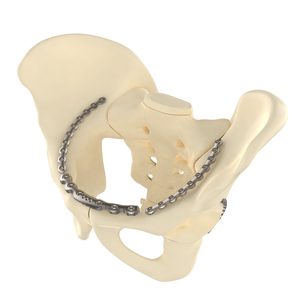
CANWELL CE/ISO Certified Stainless Steel Orthopedic Trauma 3.5mm Pelvic Locking Plate Curved Bone Fixation Implant Anatomical
Anatomically contoured 3.5mm pelvic locking plate crafted from medical-grade 316L stainless steel. Engineered for pelvic ring stabilization with multi-axial locking screw options.
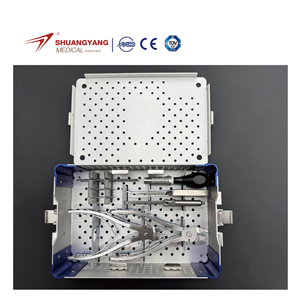
Orthognathic Implant System Orthopedic Instruments Set Maxillofacial Surgery and Orthognathic Implant Procedures Manufacturer
Complete CMF instrumentation and titanium micro-plate fixation suite. Designed for orthognathic reconstruction, Le Fort osteotomies, and midface trauma repair.
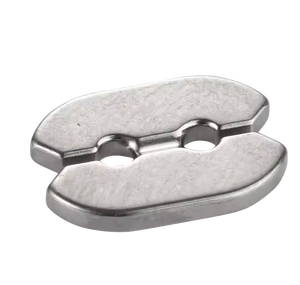
Orthopedic Sports Medicine Titanium Button With Loop Interlocking Nail And Implant Made Of Durable Titanium Alloy
High-strength Ti6Al4V ELI titanium suture button with continuous pre-threaded loop. Provides rigid cortical fixation for ACL/PCL reconstruction and syndesmosis repair.
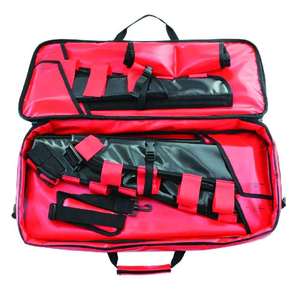
EVERISE CE Manual Multi Functional Splint Orthopedic Cushion Emergency Kit First Aid Medical Rescue Fracture Fixation Set Model
Comprehensive trauma emergency immobilizer system. Includes radiolucent vacuum splints and limb cushion sets for pre-hospital fracture stabilization.
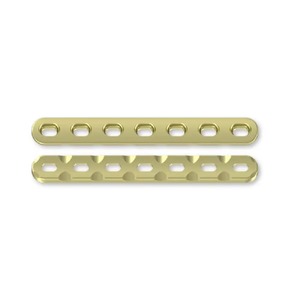
Titanium Orthopedic Implant – Manufacturer Direct, Limited Compression Surgical Implant & Interventional Material CE Certified
Limited-contact dynamic compression plates (LC-DCP) crafted from Grade 5 titanium alloy. Optimized for diaphyseal long bone fracture repair with minimal periosteal damage.
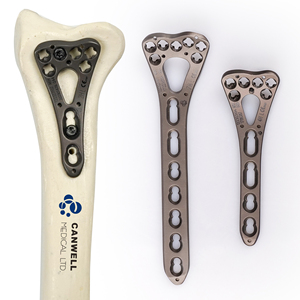
CANWELL 2.4 2.7mm VA Titanium Distal Palmar Radius Locking Plate Volar Wrist Price Bone Fracture Orthopedic Implants CE ISO
Variable-angle (VA) volar distal radius locking system. Allows ±15° screw angulation for targeted subchondral buttressing in intra-articular wrist fractures.
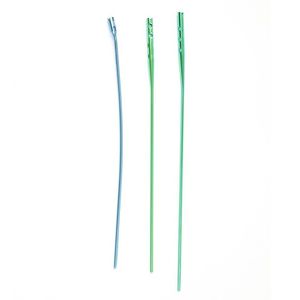
Premium Ulna Interlocking Intramedullary Nail Orthopedic Fixation Implant for Bone Surgery
Anatomic fore-arm intramedullary nailing system. Provides rotational stability and compressive load sharing for diaphyseal ulnar non-unions and acute fractures.

3.2mm Alps Veterinary Orthopedic Surgical Instrument Set Orthopedic Surgical Instrument Surgical Implant
Specialized 3.2mm veterinary trauma instrument set featuring micro-drill guides, bone holding forceps, and benders tailored for canine and feline orthopedics.
Why Leading Distributors Partner with Ortix Medical
Navigating the global medical device supply chain demands far more than competitive pricing. Our infrastructure is optimized for seamless regulatory compliance, lot-to-lot batch consistency, and low-MOQ contract manufacturing.
ISO 13485 & FDA Certified
Operates under audited ISO 13485:2016 quality systems and US FDA Establishment Registration (21 CFR Part 820), guaranteeing compliance with international medical device standards.
Turnkey Regulatory Support
We provide comprehensive STED-format technical files, raw material certificates (ASTM F136 / ISO 5832-3), biocompatibility test packages (ISO 10993), and sterilization validation.
OEM & ODM Customization
From custom laser marking and bespoke color anodization to modified implant geometry and tailored instrument tray design, our 70+ engineer R&D team brings your vision to life.
Rigorous Biomechanical Testing
In-house testing facility performs static fatigue, axial pullout (ASTM F543), dynamic bending (ISO 14801), and wear analysis to verify construct durability prior to submission.
White Paper: Turnkey Regulatory Registration Support for Global Orthopedic Distributors
In the highly regulated global orthopedic implant sector, physical manufacturing capability accounts for only 30% of market commercialization success. The remaining 70% relies heavily on obtaining regulatory clearances—such as US FDA 510(k), European Union CE MDR (2017/745), Brazilian ANVISA, Mexican COFEPRIS, and Saudi SFDA approvals. For regional medical device distributors and OEM brand owners, assembling compliant technical documentation from overseas suppliers represents a critical bottleneck. Ortix Medical Devices Co., Ltd., operating from our state-of-the-art facility in Chaoyang District, Beijing, bridges this operational gap by integrating high-precision manufacturing with complete regulatory dossier compilation.
1. Summary Technical Documentation (STED) Dossier Structure
To assist international partners in securing local product registrations smoothly, Ortix Medical structures all technical files strictly in accordance with the International Medical Device Regulators Forum (IMDRF) STED guidance. Our registration packages provide qualified distributors with immediate access to technical data:
- Raw Material Traceability & Metallurgy: Full chemical composition analysis and mechanical property certificates for implant-grade materials, including Ti-6Al-4V ELI (ASTM F136 / ISO 5832-3), medical-grade Stainless Steel (316LVM ASTM F138), and implantable PEEK-OPTIMA polymers.
- Biomechanical Bench Testing Data: Test reports generated in compliance with global standards, such as ASTM F543 (axial pullout strength and driving torque for metallic bone screws), ASTM F1717 (static and dynamic fatigue evaluation for spinal implant constructs), and ISO 14801 (fatigue testing for dental and orthopedic endosseous implants).
- Biocompatibility Dossier (ISO 10993 Series): Complete safety evaluation reports covering Cytotoxicity (ISO 10993-5), Sensitization & Intracutaneous Reactivity (ISO 10993-10), Systemic Toxicity (ISO 10993-11), and Genotoxicity/Carcinogenicity risk assessments.
- Sterilization & Shelf-Life Validation: Detailed validation protocols for gamma radiation and Ethylene Oxide (EO) sterilization cycles per ISO 11137 and ISO 11135, paired with accelerated real-time aging studies (ASTM F1980) confirming double-sterile barrier blister box integrity (ISO 11607).
Global Orthopedic Implant Registration Matrix
The following table details the documentation deliverables and compliance benchmarks provided by Ortix Medical to streamline entry into key global health jurisdictions:
| Target Market | Regulatory Body | Core Registration Pathways | Ortix Turnkey Dossier Deliverables | Typical Approval Lead Time |
|---|---|---|---|---|
| United States | U.S. FDA | 510(k) Premarket Notification / Quality System Regulation (21 CFR 820) | Predicate SE matching analysis, ASTM F1717/F543 fatigue test reports, Device Master Record (DMR) | 90 – 180 Days |
| European Union | EMA / Notified Bodies | CE Mark under Medical Device Regulation (EU MDR 2017/745) Class IIb/III | STED Technical File, Clinical Evaluation Report (CER), Post-Market Clinical Follow-up (PMCF) plan, UDI data | 12 – 24 Months |
| Latin America | ANVISA (Brazil) / COFEPRIS (Mexico) | Class III/IV Medical Device Registration & BGMP Audit Alignment | Bilingual Technical Dossiers (English/Spanish/Portuguese), Free Sale Certificates (FSC), ISO 13485 Certs | 6 – 14 Months |
| Middle East & Africa | Saudi SFDA / UAE MOH / MoHAP | Medical Device National Licensing & Marketing Authorization | Legal Manufacturer authorization letter, ISO 14971 Risk Assessment, Factory Inspection Audit Records | 3 – 8 Months |
| Southeast Asia | Singapore HSA / Malaysia MDA / Thailand FDA | ASEAN Medical Device Directive (AMDD) CSDT Submission | Common Submission Dossier Template (CSDT), Device Description, Biocompatibility Summary, Labeling Artwork | 3 – 6 Months |
Future Procurement Trends in Global Orthopedic Manufacturing
As the global orthopedic market projects growth past $65 Billion by 2030, driven by an aging population and increasing demand for joint preservation, procurement strategies among distributors and hospital networks are undergoing structural shifts. Sourcing leaders must align with suppliers capable of anticipating technological and regulatory changes.
1. Additive Manufacturing & Porous Titanium Structures
Traditional plasma-sprayed coatings are rapidly being superseded by 3D-printed Electron Beam Melting (EBM) and Direct Metal Laser Sintering (DMLS) technologies. Implants featuring integrated 3D trabecular titanium structures offer interconnected porosity (60–80%) matching human cancellous bone modulus. This significantly reduces stress shielding and accelerates early bony osseointegration in spinal fusion cages and joint reconstruction.
2. Bioabsorbable Polymers & Radiolucent PEEK Systems
In sports medicine and spinal fixation, surgeon preference is moving toward radiolucent materials. Polyetheretherketone (PEEK-OPTIMA) allows artifact-free post-operative CT and MRI imaging. Concurrently, biocomposite materials—such as β-TCP (Beta-Tricalcium Phosphate) blended with PLLA (Poly-L-Lactic Acid)—are transforming sports medicine anchors, enabling gradual degradation and complete bone replacement over 24 to 36 months.
3. Surgical Robotics & Navigation Integration
Modern operating rooms increasingly rely on image-guided navigation and robotic assistance. Future implant procurement favors platforms designed with optical arrays, electromagnetic tracking notches, and standardized instrument registration. Ortix Medical's R&D team engineers pedicle screws and joint trial components with tight dimensional tolerances (±0.005mm) required for robotic arm compatibility.
4. Supply Chain Regionalization & Low-MOQ Flexibility
Geopolitical shifts and strict working capital management are forcing distributors away from high minimum order requirements. Sourcing managers are seeking direct manufacturing partners offering mixed-SKU container shipments—combining trauma plates, intramedullary nails, pedicle screws, and matched instrument sets—to maintain lean inventory without sacrificing lot-to-lot traceability.
Recommended High-Demand Orthopedic Implant Systems for Distributors
To maximize inventory turnover and satisfy tender requirements, regional distributors should focus on standardized core product categories backed by dedicated instrument sets:
Spinal Fixation & Interbody Fusion Platforms
Spinal disorders represent a significant portion of elective surgical volume. Essential catalog components include:
- Thoracolumbar Pedicle Screw Systems (5.5mm / 6.0mm): Polyaxial, monoaxial, and reduction pedicle screws with low-profile tulip designs and friction-fit head technology for precise rod placement.
- Anterior Cervical Plating (ACP) Systems: Ultra-thin (1.9mm profile) locking plates with visual tactile anti-backout locking mechanisms and expansive graft visualization windows.
- PEEK & 3D Titanium Fusion Cages: Complete cervical (ACDF) and lumbar (PLIF, TLIF, ALIF, XLIF) cages featuring anatomical lordotic angles, tantalum marker pins, and rough porous surfaces.
Trauma Internal Fixation & Intramedullary Systems
Trauma implants demand immediate supply readiness and robust biomechanical strength:
- Anatomical Locking Compression Plate (LCP) Series: Pre-contoured titanium plates for distal radius, proximal humerus, distal tibia, and femoral fractures. Featuring combination holes for axial compression and angularly stable locking.
- Interlocking Intramedullary Nails: Anatomic trochanteric entry proximal femoral nails (PFNA) and universal tibial/femoral nails engineered with dynamic slot options for dynamization post-callus formation.
- Cannulated Screws (3.5mm / 4.5mm / 6.5mm / 7.3mm): Reverse-cutting flutes and self-drilling threads for minimally invasive percutaneous fixation of femoral neck and calcaneal fractures.
Frequently Asked Questions on Registration Support & Sourcing
Clear answers regarding regulatory documentation, manufacturing lead times, quality control, and OEM cooperation models.
How does Ortix Medical support local medical device registration in our target country?
Ortix Medical provides qualified distributors with a complete registration support dossier. This includes ISO 13485 certificates, FDA registration details, Free Sales Certificates (FSC), Certificate of Pharmaceutical Product (CPP) where applicable, technical drawings, raw material certificates (ASTM F136/F138), ISO 10993 biocompatibility test reports, ASTM/ISO mechanical fatigue test reports, and bilingual IFU artwork. Our regulatory experts work directly with your team to address deficiency letters from local health authorities.
What quality management standards and certifications does your factory hold?
Our 60,000 m² manufacturing plant operates under an ISO 13485:2016 certified quality management system and is registered with the U.S. FDA (Establishment Registration). All cleanrooms meet ISO 14644-1 Class 7 & Class 8 standards. Products comply with European CE MDR specifications, ensuring full international market compliance.
What is your Minimum Order Quantity (MOQ) for catalog implants versus private label OEM?
For standard catalog items, we offer flexible low-MOQ policies, allowing distributors to combine mixed SKUs (plates, screws, nails, cages) within a single order to optimize freight costs. For private label OEM projects requiring custom laser marking and bespoke packaging, MOQs vary by product line but are structured to accommodate emerging market launches.
Can we request evaluation samples prior to placing a bulk purchase order?
Yes. Qualified medical device distributors, hospital procurement committees, and OEM partners can request evaluation samples. Sample kits allow your clinical advisors and orthopedic surgeons to inspect surface finish, thread pitch, instrument engagement, and tray ergonomics prior to commercial commitment.
What materials are used in your implants, and are material batch certificates provided?
We source premium medical-grade raw materials exclusively from certified global suppliers. Materials include Titanium Ti-6Al-4V ELI (ASTM F136), Medical-Grade Stainless Steel 316LVM (ASTM F138), and PEEK-OPTIMA (Invibio). Every shipment includes lot-specific raw material physical and chemical test certificates for 100% traceability.
What is the typical production and delivery lead time for export orders?
With over 450 CNC multi-axis machines operating across our Beijing facility, standard stock items ship within 7 to 14 business days. Custom OEM orders, complex instrument sets, or sterilized blister packaging projects typically follow a 30 to 45-day production schedule based on batch complexity.
Partner with China's Premier Orthopedic Implant Manufacturer
Expand your product portfolio, accelerate regulatory registration, and secure consistent lot-to-lot implant quality. Contact our global export and engineering team today for custom quotes and dossier technical files.
Contact Us