Navigating China’s Medical Device Manufacturing Ecosystem
The global orthopedic implant market demands stringent quality control, bio-material consistency, and seamless contract manufacturing capabilities. As healthcare providers worldwide face mounting cost pressure paired with uncompromised quality mandates, Tier-1 Chinese Original Design Manufacturers (ODM) have evolved from component suppliers into high-precision, end-to-end clinical technology partners.
Precision Orthopedic Implants & Instrument Systems
Standardized clinical systems engineered for distributor catalog integration, high-turnover reorders, and tender bid compliance.
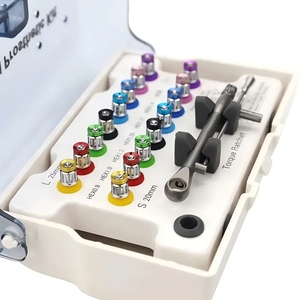
High Quality OrthoCare Medical Dental Surgical Implant Tool Box with CE Certificates
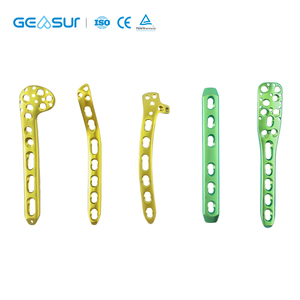
Factory Titanium Distal Lateral Humeral Locking Plate Trauma Fracture Orthopedic Bone Implant
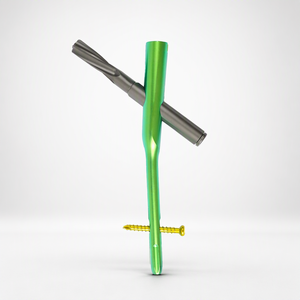
Premium Titanium PFNA Helical Blade Orthopedic Implant For Proximal Femoral Fracture Surgery
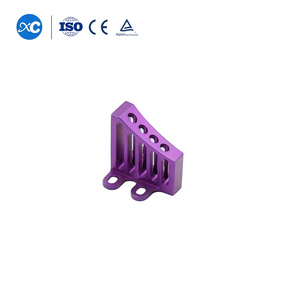
Premium Orthopedic Veterinary Trauma Implant Surgical Instrument - Titanium TTA Implant for Animal Orthopedic Trauma Surgery
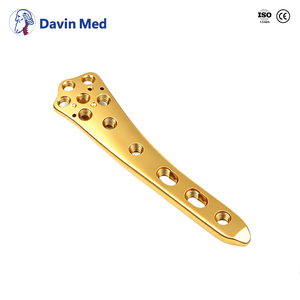
Davin Med Distal Humerus Lateral Locking Plate Titanium Orthopedic Bone Plate Trauma Implant CE ISO13485 OEM ODM Manufacturer
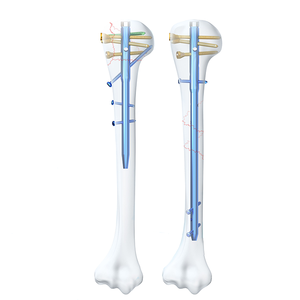
Geasure Stock Orthopedic Surgical Humeral Nail For Osteoporotic Bone Fixation Medical Orthopedic
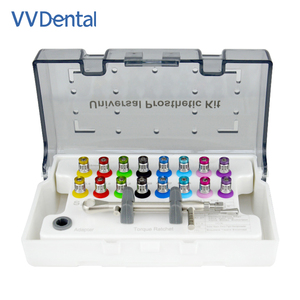
Dental Surgery Implant Tool Set Osstem Implant Basic Kit/ Surgical Implant Drill Driver Torque Wrench Box
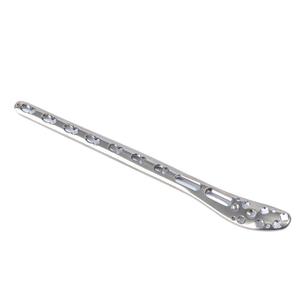
Cnc Custom Medical Titanium Implants Veterinary Orthopedic Hip Implant Cnc Services
Enterprise Scale & Quality Control Infrastructure
Ortix Medical Devices Co., Ltd. operates state-of-the-art facilities designed to meet global regulatory frameworks and supply demanding international distributors.
ISO 13485 & FDA Registration
Full implementation of quality management systems specifically certified for medical device manufacturing. Products are engineered with full batch traceability from raw titanium/stainless steel bars to finalized cleanroom packaging.
Custom OEM/ODM Engineering
In-house engineering team specializing in private label laser marking, customized instrument tray ergonomics, dynamic CAD modeling, and custom implant modifications suited for specific anatomical demographics.
Low MOQ & Flexible Logistics
Support for mixed-SKU container consolidation. Importers can combine trauma locking plates, intramedullary nails, pedicle screw systems, and specialized instrument kits in single shipments to optimize capital efficiency.
Material Specifications & Biomechanical Integrity
Superior clinical outcomes depend on raw material purity and mechanical structural integrity. Top-tier Chinese ODM factories utilize certified implant-grade alloys and polymers.
| Material Classification | International Standard | Biomechanical Properties | Primary Clinical Application |
|---|---|---|---|
| Titanium Grade 5 (Ti-6Al-4V ELI) | ASTM F136 / ISO 5832-3 | High fatigue strength, low modulus of elasticity close to cortical bone. | Trauma locking plates, pedicle screws, intramedullary nails. |
| PEEK-OPTIMA (Polyetheretherketone) | ASTM F2026 | Radiolucent, elastic modulus matching cancellous bone, zero artifacts in MRI/CT. | Interbody spinal fusion cages, cranial repair plates, suture anchors. |
| 316L Stainless Steel (Medical Grade) | ASTM F138 / ISO 5832-1 | High mechanical load carrying capacity, excellent ductility, cost-effective. | Trauma fracture fixation, pediatric orthopedic hardware, K-wires. |
| Co-Cr-Mo Alloy | ASTM F75 / ISO 5832-4 | Extreme wear resistance, corrosion resistance, ultra-smooth surface polish. | Joint replacement implants (femoral heads, knee joint articulation). |
Future Procurement Trends in Orthopedic Manufacturing (2025–2030)
As healthcare systems migrate toward value-based care, hospital procurement teams and global medical distributors are shifting their vendor qualification metrics.
1. Supply Chain Resilience & Hybrid Sourcing
Global distributors are moving away from single-region procurement strategies. Partnering with established Chinese ODM factories offering redundant production lines, ISO 13485 quality systems, and massive warehousing capacity ensures uninterrupted supply during geopolitical or logistical disruptions.
2. Modular & Sterile-Pack Readiness
Hospitals are increasing demand for pre-sterilized, single-use implant packs. Procurement mandates favor factories that deliver ready-to-use gamma-irradiated or EO-sterilized implants in double-sterile barrier blister packs according to ISO 11607 standards, cutting hospital operating theater prep time.
3. Rigorous Regulatory Documentation (MDR Compliance)
With Europe’s CE MDR enforcement and tightening FDA oversight in Latin America and Southeast Asia, procurement officers demand comprehensive Technical Files (STED), bio-compatibility reports (ISO 10993), and clinical evaluation reports directly from ODM manufacturers.
Product Development Trends in Orthopedic Engineering
Technological advancements are transforming how bone implants interface with human anatomy, driving higher fusion rates and accelerating post-operative recovery.
Additive Manufacturing & 3D Porous Structures
Direct Metal Laser Sintering (DMLS) in titanium allows the creation of biomimetic trabecular structures. These 3D-printed spinal cages and joint augmentations feature optimal pore sizes (450–700 microns) that promote rapid bone ingrowth (osseointegration) without secondary bone graft material.
Surface Topography & Nano-Coatings
Factories are applying advanced Micro-Arc Oxidation (MAO) and Hydroxyapatite (HA) plasma spraying. These functional surface treatments significantly enhance early-stage stability, lower infection risks by inhibiting bacterial adhesion, and extend implant fatigue life under dynamic physiological loads.
PEEK & Bio-Absorbable Composite Materials
In sports medicine and spinal arthrodesis, PEEK anchors and expandable cages offer modulus matching that eliminates stress shielding. Simultaneously, bio-absorbable magnesium alloy screws are emerging for pediatric fracture repair, dissolving safely over time to eliminate secondary hardware removal surgeries.
Orthopedic Sourcing & ODM Procurement FAQ
Key operational and regulatory answers for hospital procurement leaders, distributor managers, and medical device brand owners.
What quality certifications are essential when importing orthopedic implants from China? +
Qualified manufacturers must hold an active ISO 13485 certified Quality Management System specifically scope-matched for design and manufacture of surgical implants. For European distribution, CE marking under MDR (EU 2017/745) is mandatory. For U.S. and select Latin American/Asian markets, US FDA Establishment Registration and 510(k) clearances are critical prerequisites. Always request verified copies of material test certificates (EN 10204 Type 3.1) for every raw titanium or stainless steel batch.
What is the typical minimum order quantity (MOQ) for custom OEM/ODM implant projects? +
Standard catalog products typically support low MOQ thresholds, allowing mixed-SKU ordering (e.g., 10 to 50 pieces per screw size or locking plate variation). Custom ODM projects requiring custom CNC tooling, dynamic biomechanical testing, or specialized packaging lines generally start at 200–500 units per item, depending on geometric complexity and material requirements.
How do Tier-1 Chinese ODM factories ensure lot traceability and zero defect rates? +
Tier-1 factories employ fully integrated ERP and MES software tracking systems. Every single raw material bar is laser-etched with a unique melt number. Multi-axis CNC machining centers run automated probe inspections, followed by 100% optical CMM measurement, ultrasonic cleaning in Class 100,000 cleanrooms, and final mechanical verification (torsional, pull-out, and fatigue testing per ASTM F543 / ISO 14801 standards).
Can Chinese manufacturers assist with regional product registration documentation? +
Yes. Leading ODM suppliers provide comprehensive registration dossiers, including ISO 10993 biocompatibility test data, mechanical static and dynamic fatigue test reports, shelf-life validation data, Instructions for Use (IFU) layout in local languages, and Free Sales Certificates (FSC) to accelerate local Ministry of Health approvals.
What are the standard lead times for bulk production and specialized instrument kits? +
Standard catalog re-orders generally ship within 15 to 30 days. OEM projects with custom private-label laser etching and modified packaging require 30 to 45 days. Complex instrument set customization—such as custom-fit silicone handles, specialized torque wrenches, and customized sterilization trays—typically requires a 45 to 60-day manufacturing cycle including pre-production sample approval.
Partner with China's Premier Orthopedic Manufacturing Facility
Expand your medical catalog with certified trauma plates, intramedullary nails, spinal fixations, and custom instrument kits. Talk to our senior technical specialists today.