The Paradigm Shift in Global Orthopedic Implant Procurement
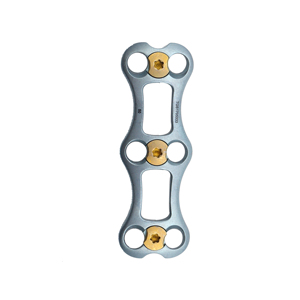
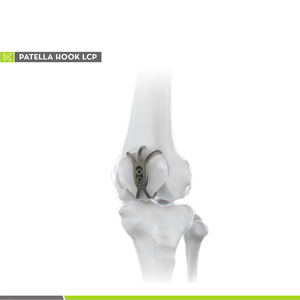
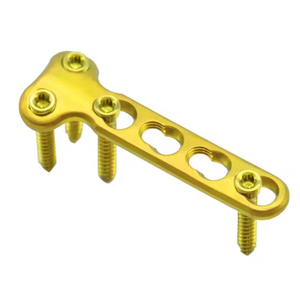
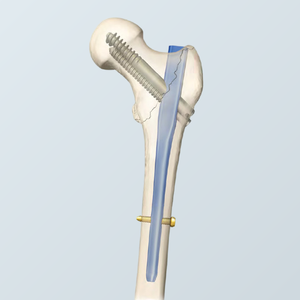
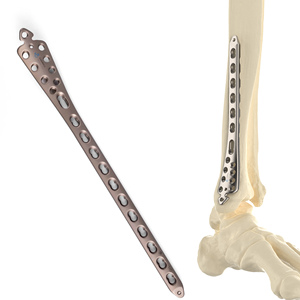
The global orthopedic devices market is undergoing a structural transformation driven by an aging global populace, rising rates of sports injuries, and increased access to surgical care in emerging economies. Historically dominated by Western Tier-1 conglomerates, the supply chain for Class II and Class III medical devices—specifically spinal pedicle screw systems, trauma locking compression plates (LCP), intramedullary nails, and craniomaxillofacial (CMF) implants—has significantly re-aligned toward specialized Chinese contract manufacturers and OEM/ODM hubs.
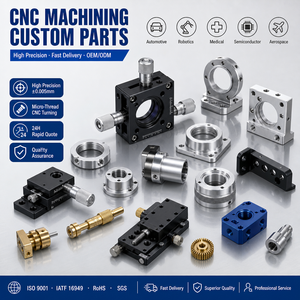
Modern Chinese orthopedic manufacturers are no longer merely low-cost casting workshops; they operate state-of-the-art 60,000 m² smart factories equipped with imported Japanese Citizen 5-axis Swiss-type CNC automatic lathes, German DMG MORI machining centers, and Class 100,000 cleanrooms. This technological advancement allows domestic manufacturers to produce Grade 5 Titanium (Ti-6Al-4V ELI conforming to ASTM F136 / ISO 5832-3) and Ultra-High-Molecular-Weight Polyethylene (UHMWPE) components with sub-micron dimensional tolerances. Consequently, global healthcare procurement executives, regional hospital distributors, and private-label brands now actively look to China for high-volume, cost-resilient, low Minimum Order Quantity (MOQ) manufacturing solutions that strictly adhere to ISO 13485, CE MDR, and U.S. FDA QSR regulations.