High-Precision Orthopedic Contract Manufacturing in China
A comprehensive analysis of advanced metallurgy, multi-axis CNC machining, regulatory dossier compliance, and global supply chain optimization for medical device importers.
Clinical-Grade Material Specification
Modern orthopedic implants require strict adherence to international biomaterial standards. Leading OEM manufacturers utilize implant-grade Ti-6Al-4V ELI (ASTM F136 / ISO 5832-3) for exceptional strength-to-weight ratio and osseointegration, PEEK-OPTIMA® (ASTM F2026) for radiolucent spinal cages with bone-matching modulus, and 316LVM Stainless Steel (ASTM F138) for temporary fracture fixation plates and trauma wires.
Global Regulatory Dossier & Quality Infrastructure
Exporting orthopedic surgical devices to competitive markets in North America, Europe, Latin America, and Southeast Asia demands complete technical documentation. Certified OEM suppliers maintain ISO 13485:2016 Quality Management Systems, Class 100,000 (ISO Class 8) cleanrooms for sterile packaging, full material lot traceability, and comprehensive testing protocols under ASTM F2077, ASTM F1717, and ASTM F382 standards.
Precision Orthopedic Implants & Surgical Instrument Kits
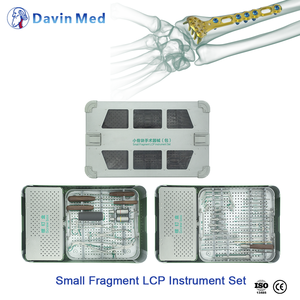
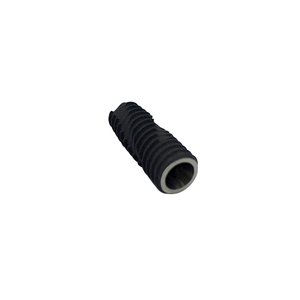
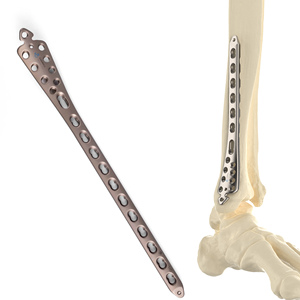
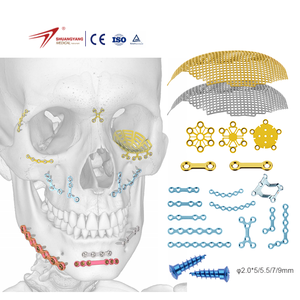
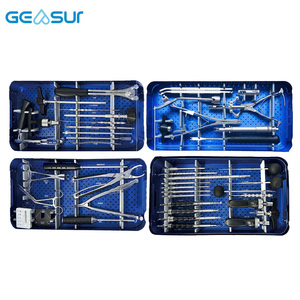
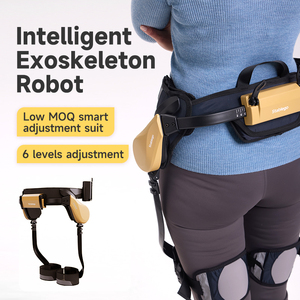
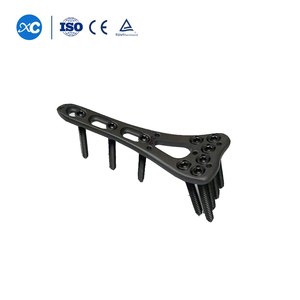
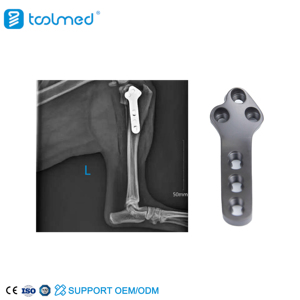
Explore our export-ready product series, engineered for orthopedic trauma, spinal surgery, CMF, dental restoration, and veterinary procedures.
Integrated OEM/ODM Capabilities & Precision Production
Leveraging modern 5-axis Swiss CNC turning machines, wire EDM technology, automated surface treatment, and stringent batch testing to serve top-tier global medical device brands.
Information Gain & Sourcing Architecture: Why Partner with China OEMs?
The global market for orthopedic implants and trauma fixation systems is experiencing a structural transition. Sourcing managers and procurement directors from international distributors face increasing pressure to balance product quality, regulatory compliance, and margin viability. China’s orthopedic OEM sector has evolved beyond simple component manufacturing into complete turn-key solution engineering.
- Micro-Tolerance CNC Precision: Machining pedicle screws, locking plates, and spinal fusion cages with tolerances held down to ±0.005 mm using Citizen Swiss CNC turning centers and DMG Mori 5-axis milling machines.
- Surface Engineering Excellence: Anodization Type II (for reduced friction and enhanced fatigue resistance), Type III color coding for intraoperative identification, micro-arc oxidation (MAO), and vacuum plasma spraying.
- Low MOQ Hybrid Inventory Schemes: Enabling regional medical device distributors to procure mixed-SKU containers combining trauma plates, cannulated screws, intramedullary nails, and spinal cages without ties to prohibitive minimum order limits.
- Fully Custom Packaging & Private Labeling: Custom laser etching, custom sterilization box configurations, localized Instructions for Use (IFU), and blister tray design compliant with ISO 11607 sterile packaging requirements.
Future Sourcing & Procurement Trends in Orthopedic Manufacturing
Key market dynamics shaping how hospital buying groups, national distributors, and OEM importers evaluate suppliers in the coming decade.
1. Consolidation of Turnkey Surgical Kits
Hospitals and surgical centers no longer accept disconnected implant shipments. Procurement teams prioritize contract manufacturers capable of shipping complete, matching sets—combining titanium locking plates with color-coded drill bits, depth gauges, torque-limiting screwdrivers, and autoclavable aluminum storage trays in one ready-to-use package.
2. Shift to Contract Direct OEM Manufacturing
To insulate business operations against inflation and rising supply chain overhead, mid-tier orthopedic brand owners are shifting from European standard contract manufacturing toward long-term strategic OEM partnerships in China. This transition reduces unit manufacturing costs by up to 40% while preserving strict ISO 13485 compliance.
3. Regulatory Harmonization (EU-MDR & FDA 510k)
The implementation of stricter international medical device regulations requires OEM manufacturers to supply pre-verified technical files. Leading Chinese exporters invest heavily in bio-compatibility testing (ISO 10993 series), cleanroom validation (ISO 14644), and dynamic fatigue test data to simplify registration for local distributors.
Technological Development Trends in Implant Design & Biomaterials
How next-generation manufacturing technology is reshaping biomechanical stability, bone healing kinetics, and patient outcomes.
3D Printed Trabecular Titanium & Porous Structures
Electron Beam Melting (EBM) and Selective Laser Melting (SLM) technologies have revolutionized spinal interbody fusion cages and acetabular cups. By creating interconnected porous titanium scaffolds mimicking human cancellous bone structure (porosity ~60-70%, pore size 300-600 μm), these 3D printed implants promote vascularization and direct bone ingrowth (osseointegration) without the risk of surface coating delamination.
Radiolucent Carbon Fiber & PEEK Composites
Polyetheretherketone (PEEK) reinforced with continuous carbon fibers is emerging as a material of choice for oncological fracture fixation and specialized exoskeleton robotics. Offering elastic modulus matching cortical bone, radio-translucency for artifact-free post-operative CT/MRI imaging, and superior fatigue resistance, composite implants represent the forefront of minimally invasive and trauma surgery.
Frequently Asked Procurement Questions (FAQ)
Detailed insights for procurement managers, medical device distributors, and hospital tender specialists.
What regulatory certifications do your orthopedic implants hold for international tenders?
Our manufacturing facilities operate under a fully audited ISO 13485:2016 Quality Management System and maintain establishment registration with the U.S. FDA. Products in our export portfolio come with full technical documentation packages including CE certificates, ISO 10993 biocompatibility test reports, mechanical fatigue test results (ASTM F1717 / ASTM F382), and Raw Material Certificates (MTR) matching titanium and PEEK raw material batches.
What is the standard minimum order quantity (MOQ) for custom OEM and private label orders?
We provide flexible low-MOQ schemes tailored to growing distributors. Standard catalog products can be ordered in small batch sizes (as low as 10-20 units per SKU). For full private labeling—including custom laser etching, customized color-coded anodization, localized IFU printing, and sterile packaging—our engineering team establishes manageable production thresholds based on your target market size.
How do you ensure lot-to-lot dimensional consistency and mechanical integrity?
Quality assurance is embedded at every manufacturing step. Raw materials undergo ultrasonic flaw detection and spectrographic analysis. In-process machining utilizes automated CMM optical measuring machines with sub-micron accuracy. Finished implants undergo 100% thread gauge testing, micro-hardness verification, and rigorous ultrasonic washing before cleanroom sealing.
Can you manufacture modified or custom surgical instrument sets for proprietary implants?
Yes. Our in-house R&D center houses over 70 bio-engineers and tooling specialists. We can reverse-engineer, modify, or design complete custom surgical instrument sets from 2D blueprints, 3D CAD files, or physical samples. Autoclavable trays, quick-coupling handles, depth gauges, and benders are crafted to match your exact surgical preferences.
What lead times can buyers expect for wholesale shipments and OEM orders?
Standard catalog items maintained in our inventory buffer ship within 7 to 14 business days. Custom OEM production runs typically follow a 30 to 45-day production schedule depending on raw material procurement, 5-axis CNC machining complexity, anodization finishing, and sterile barrier packing validation.
Partner with China's Premier Orthopedic Implants Manufacturer
Expand your product catalog with high-precision trauma plates, pedicle screws, spinal cages, CMF implants, and matching surgical instrument sets. Contact our OEM export specialists today for quotes, samples, and technical dossiers.
Inquire Now