Featured UDI-Marked Orthopedic Implants & Systems
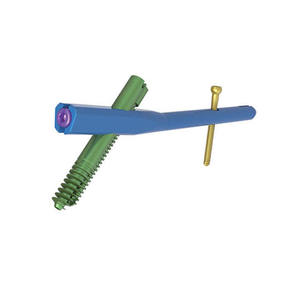
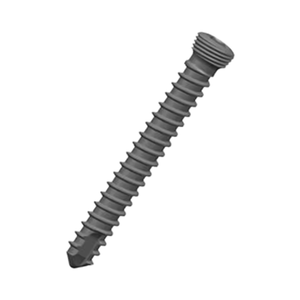
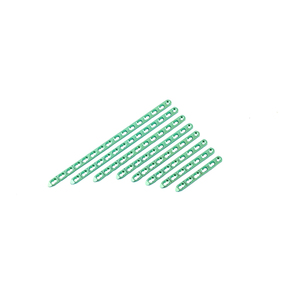
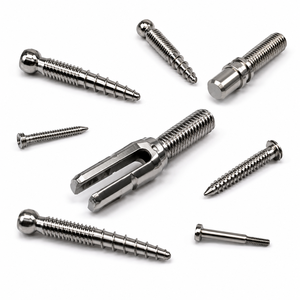
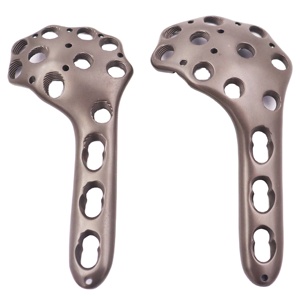
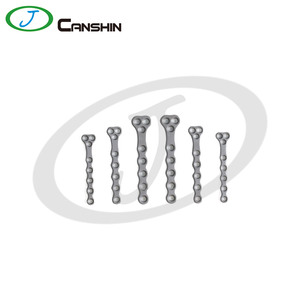
High-precision spinal fixation, trauma locking plates, intramedullary nails, and custom titanium components manufactured under ISO 13485 and FDA compliance.
Navigating UDI Implementation & Regulatory Compliance in Global Orthopedic Implant Procurement
The global medical device landscape has shifted permanently toward mandatory full-lifecycle traceability. Under the United States FDA 21 CFR Part 830 directive and the European Union Medical Device Regulation (EU MDR 2017/745), Unique Device Identification (UDI) systems are no longer optional value-add features—they are strict regulatory pre-requisites for market entry. As a leading high-precision orthopedic implant manufacturer in China, Ortix Medical Devices Co., Ltd. has integrated end-to-end GS1-standard UDI laser marking directly into our automated CNC manufacturing lines, eliminating registration hurdles for global distributors, hospital chains, and OEM partners.
Biomechanical Mechanics of Non-Destructive UDI Laser Marking
Direct Part Marking (DPM) on Class III implantable devices—such as pedicle screws, intramedullary nails, and anatomical locking compression plates—demands advanced fiber-laser annealing technology. Unlike aggressive ablative laser engraving, which vaporizes metal surface layers and creates micro-cracks that act as stress concentration points under cyclic load, our manufacturing process utilizes thermal laser oxide annealing. This process forms a dark, high-contrast, sub-micron titanium dioxide (TiO₂) oxide layer beneath the passive film without breaching the material matrix.
| UDI Marking Parameter | Traditional Engraving Method | Ortix Medical Fiber Annealing Standard | Procurement Impact & Benefit |
|---|---|---|---|
| Structural Impact | Creates surface notches & micro-fissures | Zero material removal; zero fatigue loss | Prevents intra-operative hardware breakage |
| Corrosion Resistance | Destroys passive oxide layer; risks pitting | Preserves ASTM A967 chemical passivation | Passes 500-hour salt spray biocompatibility test |
| Barcode Verification | Low contrast; fails 2D scanner checks | ISO/IEC 15415 Grade A/B DataMatrix | 100% first-pass scan rate in operating theaters |
| Autoclave Durability | Fades after 20-30 steam sterilization cycles | Resistant to >200 sterilization cycles | Ensures long-term clinical instrument tracing |
Data Structure & Regulatory Database Synchronization
Every UDI marked on our implants consists of two distinct components required by international health authorities:
- UDI Device Identifier (UDI-DI): A mandatory, fixed numeric or alphanumeric code specific to the implant model and size (GS1 GTIN-14 compliant), identifying the device back to our ISO 13485 registered manufacturing site.
- UDI Production Identifier (UDI-PI): Conditional, dynamic codes capturing critical manufacturing metadata, including the raw titanium sponge batch lot number, manufacturing date, expiration date, and individual unit serial number for Class III implantable devices.
By pairing physical 2D DataMatrix laser codes with integrated digital documentation packages, Ortix Medical empowers global importers to seamlessly submit device master records directly to the FDA Global Unique Device Identification Database (GUDID) and EUDAMED.
Precision Manufacturing Infrastructure
Core Competencies for Global Distributors
Full Orthopedic Portfolio
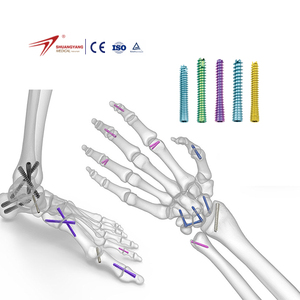
Comprehensive coverage across Spine (cervical plates, pedicle screw systems, PEEK fusion cages), Trauma (locking plates, IM nails, cannulated screws), Joint Arthroplasty, Sports Medicine, and CMF. Consolidate your supply chain under one certified supplier.
Quality & Regulatory Backing
Operating under strict ISO 13485 QMS and U.S. FDA establishment registration. Complete lot-by-lot raw material certifications, mechanical testing reports (ASTM F543/F1264), and biocompatibility dossiers supplied for seamless local registration.
Flexible MOQ & OEM Customization
We support growing regional distributors with low minimum order quantities and mixed-SKU batch shipping. Our in-house engineering team provides turn-key OEM private labeling, custom laser marking, packaging design, and ODM design modifications.
Global Orthopedic Procurement Trends & Strategic Sourcing Outlook
The global market for orthopedic implants is undergoing a structural evolution driven by aging demographics, expanding access to healthcare in emerging markets, and increasing hospital demand for cost-efficient, high-performance implants. For procurement directors and regional distributors, navigating supply chain dynamics requires a clear understanding of key technological and strategic shifts.
1. Rise of Additive Manufacturing & Trabecular Surfaces
Selective Laser Melting (SLM) 3D printing is transitioning from niche custom implants to mass-standardized spinal fusion cages and joint arthroplasty acetabular cups. The ability to engineer 3D porous trabecular structures (with 60-80% porosity and optimized pore sizes of 400-600 μm) closely mimics human cancellous bone elastic modulus, significantly reducing stress shielding and accelerating early osseointegration.
2. Supply Chain Diversification & Contract Manufacturing Hubs
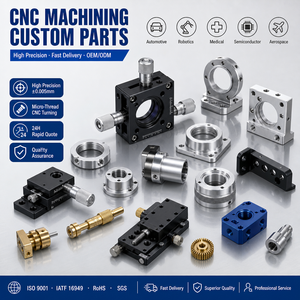
Global healthcare systems are actively mitigating geopolitical and single-source supplier risks. Western tier-1 brands are increasingly partnering with certified Chinese ODM contract manufacturers who possess high-precision Swiss-type CNC lathes, cleanroom packaging facilities, and robust UDI compliance systems, securing superior cost structures without compromising device safety or precision.
3. Anatomical Polyaxial & Modular Trauma Systems
Surgeons are favoring anatomically pre-contoured locking plate systems featuring polyaxial locking screws (allowing ±15° angle trajectory adjustments). This minimizes intra-operative bending, preserves periosteal blood supply, and reduces inventory holding costs for distributors by unifying multi-fragment fracture solutions under modular tray configurations.
4. Stringent Global Traceability & Digital Audits
National health regulatory agencies are modernizing audit mechanisms. Hospital procurement departments now mandate full lot traceability—from raw titanium sponge melt certificates to final ethylene oxide (EO) or gamma sterilization validation—ensuring immediate device recall capabilities via UDI scanning systems.
Frequently Asked Questions by Global Importers
Detailed technical and commercial answers designed for hospital tender managers, medical device distributors, and OEM purchasing executives.
No. When conducted using low-heat fiber laser solid-state oxide annealing (the method standardized at Ortix Medical), the process creates a surface oxide coloration change without vaporizing metal or inducing thermal micro-cracking. Cyclic fatigue testing per ASTM F1264 (for intramedullary nails) and ASTM F543 (for medical bone screws) demonstrates identical endurance limits between non-marked and UDI-annealed implants.
Ortix Medical maintains an ISO 13485:2016 certified Quality Management System and is an established FDA-registered medical device manufacturer. For local product registration, qualified distributors receive comprehensive technical dossiers including ISO 10993 biocompatibility test reports, raw material certificates of analysis (CoAs) linked to raw material heat lots, cleaning/sterilization validation data (ISO 17664), and CE design certificates.
Yes. We offer turnkey private label OEM/ODM solutions. We can engrave your branded trademark, catalog reference code, GS1 GTIN UDI DataMatrix, and batch numbers directly onto implants and surgical instruments. Furthermore, we provide cleanroom blister packaging, Tyvec pouch sealing, custom box artwork, and multi-language Instructions for Use (IFU) inserts matching your regional legal requirements.
We recognize that building initial inventory across multi-size implant sets can be capital intensive. Therefore, Ortix Medical supports flexible low-MOQ policies and mixed-SKU consolidation orders. Importers can combine trauma locking plates, matching cortex screws, intramedullary nails, and spinal constructs within a single shipping shipment to optimize freight and inventory turnover.
Every implant family in our catalog (e.g., PFNA nails, anterior cervical plates, 3.5mm locking compression plates) is manufactured alongside dedicated, color-coded, surgical-grade stainless steel instrument sets. All instruments undergo strict dimensional tolerance matching with our implants to ensure smooth intra-operative engagement, precise drill bit guidance, and reliable driver torque transmission.
Standard catalog implants and matching surgical instrument sets are maintained in safety stock and typically ship within 7 to 15 business days. Custom OEM/ODM orders, which require custom tooling, laser program validation, or special surface treatments, generally require 30 to 45 calendar days following final technical drawing approval.
Partner with China's Premier UDI Orthopedic Implant Manufacturer
Streamline your medical device supply chain with ISO 13485 certified, high-precision implants. Request sample evaluation kits, engineering drawings, or wholesale pricing today.