Precision Orthopedic Implants & Surgical Instrument Systems
Direct factory supply manufactured under ISO 13485 quality systems, supporting low MOQ bulk orders, OEM private labeling, and full MDR/FDA registration documentation.
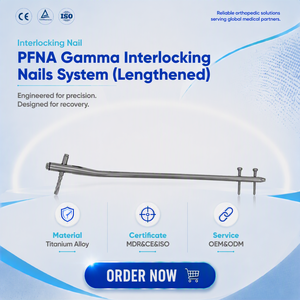
Medical Intramedullary PFNA Interlocking Nails Lengthened Orthopedic Titanium Alloy Implants MDD ISO CE
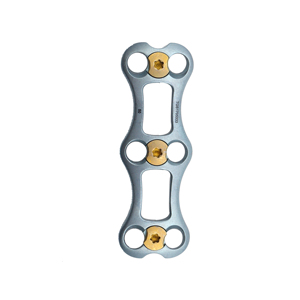
Medical Titanium Anterior Cervical Spine Locking Plate Orthopedic Spinal Fracture Fixation Surgical Bone Implant Device
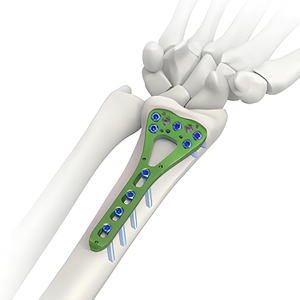
Orthopedic Trauma Implant Multi-axial Locking Plate Pure Titanium Distal Radius Medial Fracture Bone Fixation MDR/ISO 13485
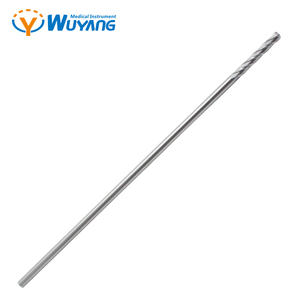
Wuyang Medical Stainless Steel Hollow Drill Bit Cannulated Drill Bit Orthopedic Trauma Implant Hollow Nail Instrument Set China
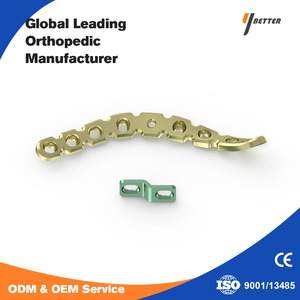
Orthopedic Implant Thickness 3.2mm Titanium Orthopedic Implant Anterior Column Pelvis Arc Reconstruction Plate
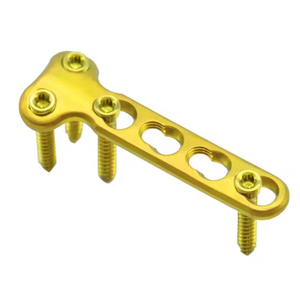
Full Range Orthopedic Bone Screw Set Titanium Implant System for Distributor Bulk Supply
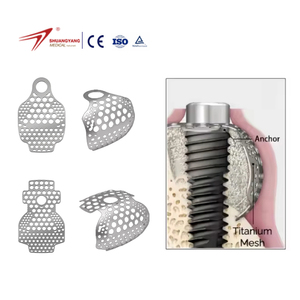
Dental Master GBR Bone Tack Kit Titanium Implant For Bone Regeneration CE ISO Certified Hospital Use Class III Medical Device
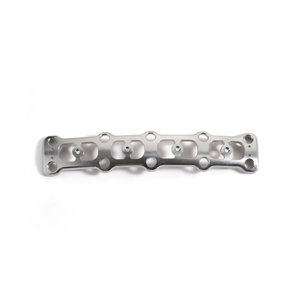
Orthopedic 3D CNC Titanium Alloy Stud for Bone Machining Micro CNC Machining Hospital Use Implantation Part Manufacture TC4
Global Orthopedic OEM/ODM Manufacturing Ecosystem Overview
A strategic analysis of manufacturing capabilities, quality assurance engineering, and supply chain resilience for Class IIb and Class III orthopedic medical devices.
The global orthopedic implants sector is experiencing a fundamental structural evolution. Driven by an aging demographic, the rising incidence of high-energy traumatic injuries, and expanding access to complex spinal and joint reconstruction procedures in emerging markets, medical device brands and hospital procurement networks require unprecedented agility from contract manufacturers. Navigating this landscape demands more than standard machine capacity; it mandates absolute regulatory alignment, rigorous metallurgical integrity, and scalable OEM/ODM engineering capabilities.
Ortix Medical Devices Co., Ltd. operates at the apex of this precision manufacturing ecosystem. Operating from a state-of-the-art 60,000 square meter production complex equipped with over 450 ultra-precision CNC Swiss-type lathes, 5-axis machining centers, and automated surface treatment lines, Ortix Medical synthesizes high-volume manufacturing throughput (20,000 units per day) with bespoke contract engineering. As an ISO 13485 certified and FDA-registered enterprise, our facility serves as a complete contract manufacturing partner for global medical distributors, private label brands, and hospital suppliers across Europe, the Americas, Asia-Pacific, and the Middle East.
Critical Information Gain for Procurement Officers:
Sourcing orthopedic implants involves mitigating multi-tier regulatory and operational risks. Ortix Medical provides complete lot-traceable documentation packages, including raw material mill test certificates (MTC), mechanical fatigue test reports (ASTM F1717 / ASTM F382), bio-compatibility evaluations (ISO 10993), and ready-to-file Technical Files supporting EU MDR 2017/745 and US FDA 510(k) submissions.
Biomedical Metallurgy & Material Science Specifications
Rigorous analysis of titanium alloys, PEEK, and stainless steel formulations utilized in modern implantology.
The long-term clinical survival of orthopedic implants is fundamentally dictated by the mechanical and biological compatibility of their constituent materials. Implants subjected to dynamic, multi-axial mechanical loads within the human musculoskeletal system must exhibit optimal yield strength, fatigue endurance limits, modulus of elasticity matching native cortical bone, and absolute resistance to biological corrosion.
1. Medical Titanium Alloys (Ti-6Al-4V ELI / ASTM F136 / ISO 5832-3)
Ti-6Al-4V Extra Low Interstitial (ELI) titanium alloy is the gold standard material for load-bearing orthopedic trauma plates, intramedullary nails, and pedicle screw systems. By tightly controlling interstitial elements—specifically oxygen, nitrogen, carbon, and iron—ELI titanium demonstrates superior damage tolerance, enhanced fracture toughness, and superior fatigue resistance compared to standard industrial titanium. With an elastic modulus of approximately 110 GPa (significantly closer to cortical bone's 18–22 GPa than stainless steel's 210 GPa), Ti-6Al-4V ELI mitigates the risk of "stress shielding," thereby promoting healthier bone remodeling and osseous integration around the implant site.
2. Commercially Pure Titanium (CP Ti Grade 2 & 4 / ASTM F67)
Unalloyed pure titanium is preferred for applications where maximum biocompatibility and ductility are required without extreme structural load demand. CP Titanium Grade 4 features higher tensile strength than lower grades while maintaining excellent formability, making it ideal for cranio-maxillofacial (CMF) reconstruction plates, dental GBR bone tacks, and pliable osteotomy mesh.
3. Polyetheretherketone (PEEK OPTIMA / ASTM F2026)
For spinal interbody fusion devices (ACDF cages, PLIF/TLIF/OLIF cages), PEEK provides an ideal radiolucent biomaterial solution. PEEK possesses an elastic modulus (~3.6 GPa) that closely mirrors natural human cancellous bone, significantly reducing stress concentrations at the vertebral endplate interface and decreasing post-operative cage subsidence rates. Furthermore, PEEK's radiolucency allows clear artifact-free radiographic and CT evaluation of bony bridge formation during post-operative follow-up.
4. Stainless Steel (316L / ASTM F138 / ISO 5832-1)
High-purity 316L vacuum-melted stainless steel remains a cost-effective, high-toughness alloy for temporary fracture fixation systems, Kirschner wires, external fixators, and cannulated surgical drill sets. Its superior torsional rigidity ensures clean bone cutting performance without bit flexing or micro-chipping during high-rpm surgical drilling.
| Biomaterial Standard | Material Class | Elastic Modulus (GPa) | Yield Strength (MPa) | Primary Clinical Applications |
|---|---|---|---|---|
| Ti-6Al-4V ELI (ASTM F136) | Titanium Alloy | 110 GPa | ≥ 795 MPa | Intramedullary Nails, Locking Plates, Pedicle Screws |
| CP Titanium Gr 4 (ASTM F67) | Pure Titanium | 105 GPa | ≥ 480 MPa | CMF Plates, Dental Tacks, Pelvis Arc Reconstruction |
| PEEK OPTIMA (ASTM F2026) | Thermoplastic | 3.6 GPa | ≥ 95 MPa | Cervical & Lumbar Interbody Fusion Cages |
| 316L Steel (ASTM F138) | Stainless Steel | 210 GPa | ≥ 690 MPa | Cannulated Drills, K-Wires, External Fixation Rods |
Enterprise Strengths & Turnkey Factory Capabilities
Why leading international medical device buyers choose Ortix Medical as their strategic manufacturing partner.
Integrated Product Portfolio
Single-source supply spanning Spine, Trauma, Joint Arthroplasty, Sports Medicine, CMF, External Fixation, Surgical Power Tools, and Suture anchors. Consolidate your purchasing workflow and drastically lower import logistics overhead.
One-Stop OEM & ODM Customization
Full contract engineering support including high-precision fiber laser marking (UDI compliance), custom color anodization, tailored tray ergonomics, customized packaging design, and joint R&D development for novel implant patents.
Low MOQ & Flexible Mixed-SKU Orders
Mitigate inventory risk with flexible small-batch ordering systems. Distributors can aggregate plates, bone screws, intramedullary nails, interbody cages, and matching surgical instrument sets into unified shipment consignments.
Rapid Global Supply Chain Delivery
Massive manufacturing throughput backed by 450+ production units enables rapid turnaround times. Standard catalog configurations ship swiftly, while custom OEM projects follow predictable engineering milestones.
End-to-End OEM/ODM Contract Manufacturing Pipeline
A transparent, 6-phase engineering framework designed to transform conceptual product requirements into fully compliant, commercialized medical implants.
CAD/CAM & FEA Modeling
Our engineering team utilizes SolidWorks and Creo to develop precise 3D solid models. Finite Element Analysis (FEA) is conducted to simulate mechanical stress concentrations, verifying construct integrity under maximum physiological loads prior to prototyping.
Rapid Prototyping & Testing
High-speed 5-axis CNC machines produce functional prototypes within days. Prototypes undergo static, dynamic, and fatigue testing in accordance with ASTM F1717 (spinal constructs) and ASTM F382 (metallic bone plates) guidelines.
Swiss Precision CNC Machining
Mass production is executed using high-precision Citizen and Star Swiss CNC automatic lathes, achieving micron-level machining tolerances (±0.005 mm) required for complex variable-angle locking threads and bone screw flutes.
Surface Finishing & Anodization
Implants undergo controlled passivation, electro-polishing (Ra < 0.4 μm), micro-bead blasting, and Type II color anodization. This creates a dense titanium oxide surface layer, minimizing nickel release and improving fatigue life.
ISO Class 7 Cleanroom Packaging
Automated ultrasonic cleaning removes all residual machining oils. Components are inspected, double-pouched in medical-grade Tyvek/PET film within ISO Class 7 cleanrooms, and sealed for Gamma or EO sterilization.
Regulatory File Dossier Delivery
We provide distributors with a turnkey regulatory package containing Device Master Records (DMR), Process Validation (IQ/OQ/PQ) data, biocompatibility test results, and customized Instructions for Use (IFU) for rapid local registration.
Future Procurement Trends in Orthopedic Manufacturing (2025–2030)
Key technological innovations and regulatory paradigm shifts reshaping global medical device sourcing strategies.
As healthcare systems worldwide balance the dual imperatives of clinical outcome optimization and expenditure containment, procurement managers must align with manufacturing partners who actively invest in next-generation production technologies. Ortix Medical's R&D directorate has identified four macro-trends dictating orthopedic supply chains over the coming decade:
Trend 1: Additive Manufacturing & Porous Trabecular Structures
Direct Metal Laser Sintering (DMLS) and Electron Beam Melting (EBM) 3D printing technologies are transitioning from niche custom implants to mainstream standardized implant lines. By creating biomimetic porous titanium structures with interconnected porosity (60–80% void fraction, mean pore size 300–500 μm), 3D-printed titanium cages and acetabular cups encourage rapid bony ingrowth (osteointegration) directly into the lattice structure, bypassing the need for secondary surface plasma coatings.
Trend 2: Patient-Specific Implants (PSI) & Digital Surgical Integration
The convergence of high-resolution CT imaging, automated segmentation algorithms, and multi-axis CNC machining enables the cost-effective production of Patient-Specific Implants (PSI). Particularly in complex pelvic reconstruction, deformity revision spine surgery, and oncological CMF resection, custom implants designed precisely to fit patient anatomy reduce intraoperative surgical time by up to 35% and minimize bone resection requirements.
Trend 3: Stringent Regulatory Harmonization (EU MDR & Global Compliance)
The rigorous enforcement of the European Union Medical Device Regulation (EU MDR 2017/745) has significantly elevated technical file requirements for Class III legacy devices. Global buyers are aggressively shifting procurement toward established contract manufacturers like Ortix Medical who maintain fully validated quality management systems, comprehensive clinical evaluation reports (CER), and proactive post-market surveillance (PMS) infrastructure.
Trend 4: Minimally Invasive Surgical (MIS) Instrumentation Optimization
Surgical technique evolution continues to favor percutaneous and minimally invasive approaches that reduce soft-tissue disruption and shorten patient hospital stay duration. Consequently, demand is surging for specialized cannulated instruments, percutaneous pedicle screw extension towers, and low-profile expandable fusion cages that deliver maximum stability through minimal anatomical incisions.
Frequently Asked Questions by Orthopedic Procurement Managers
Direct answers to technical, regulatory, operational, and supply chain inquiries.
What quality management certifications and regulatory credentials does Ortix Medical hold?
Ortix Medical operates under an ISO 13485 certified Quality Management System specifically tailored for medical device design and manufacturing. Our manufacturing facilities are registered with the U.S. FDA, and our primary product catalog complies with European MDD/MDR standards (CE Mark). Complete quality manuals, audit reports, and material certificates (MTC ISO 10204 3.1) are made available to qualified distribution partners to facilitate local regulatory registrations.
What is the Minimum Order Quantity (MOQ) for custom OEM/ODM orthopedic orders?
We maintain highly flexible ordering policies engineered to support emerging medical brands and regional hospital suppliers. Standard catalog products feature low MOQ thresholds, and we actively support mixed-SKU consignments (combining plates, screws, intramedullary nails, and instruments in one batch). For custom OEM/ODM projects involving dedicated tooling or unique private labeling, exact MOQs depend on part geometry, but initial evaluation sample batches are supported without full production constraints.
Can Ortix Medical provide customized private labeling, packaging, and laser marking?
Yes. Our complete OEM service includes high-resolution fiber laser marking on titanium and stainless steel implants (incorporating custom logos, catalog numbers, lot codes, and GS1-compliant Unique Device Identification UDI 2D DataMatrix codes). Furthermore, we design and produce custom packaging including color-coded anodized aluminum sterilizing boxes, customized Tyvek blister pouches, and branded outer cartons with tailored multilingual Instructions for Use (IFU).
How does Ortix Medical guarantee lot-to-lot consistency and mechanical reliability?
Quality control is integrated across every stage of our production architecture. Raw material bars are strictly sourced from certified medical-grade titanium and steel mills, undergoing spectral analysis and ultrasonic flaw detection upon receipt. In-process inspection utilizes automated 3D Coordinate Measuring Machines (CMM), optical comparators, and laser micrometer gauges. Final lot acceptance sampling includes torque testing, pull-out strength validation, and surface roughness micro-profilometry (Ra testing).
Are orthopedic instrument sets included alongside implant systems?
Yes. Ortix Medical designs and manufactures matching surgical instrument sets for every implant family across our catalog (including spinal pedicle screw inserters, PFNA nail aiming arms, locking plate drill guides, and bone taps). Instrument sets are delivered in ergonomically organized, autoclavable aluminum containers engineered for seamless intraoperative handling and long sterilization cycle lifespans.
What raw materials are utilized in your spinal interbody fusion cage systems?
Our spinal fusion cages (ACDF, PLIF, TLIF, OLIF) are manufactured from original implant-grade PEEK OPTIMA (ASTM F2026) supplied by Invibio, combined with radiopaque tantalum markers (ASTM F560) for precise intraoperative fluoroscopic visualization. We also manufacture 3D-printed porous titanium cages (Ti-6Al-4V ELI) utilizing advanced additive manufacturing processes to promote early osteointegration.
How can distributors request sample kits for surgeon evaluation?
Qualified medical device distributors and hospital procurement committees can apply for evaluation samples through our direct Free Sample program. Evaluation kits allow surgical teams and bio-engineers to independently verify physical finish, dimensional tolerance, thread tactile engagement, and instrument compatibility prior to commercial contract signing.
What are the standard lead times for bulk production and international shipping?
Standard catalog items maintained in buffer stock can ship within 7–14 business days. Bulk manufacturing runs for custom or high-volume inventory orders typically require 30–45 days depending on batch volume and surface anodization requirements. We partner with DHL, FedEx, and specialized international air freight freight-forwarders to guarantee fast, secure delivery with full customs documentation support.
Partner with a Leading Orthopedic Contract Manufacturer
Accelerate your medical device brand expansion with factory-direct access to ISO 13485 certified titanium implants, low MOQs, and dedicated OEM contract engineering support.