Top 10 Orthopedic Implants Price Manufacturers & Exporters

An Authoritative B2B Procurement Benchmark, Price Structure Analysis, Technical Evaluation, and Global Industry Outlook (2025–2030)

Product Recommendation

Featured Precision Orthopedic Implants & Systems

High-demand trauma, spinal, and reconstructive hardware engineered under ISO 13485 & FDA quality standards for global distributors and surgical tenders.

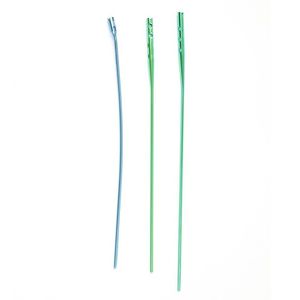
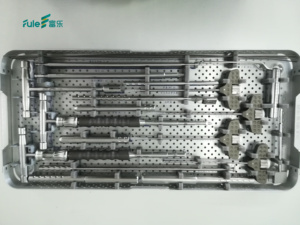
MIS Instrument High Quality Orthopedic Surgical Implants & Interventional Materials MIS Minimally Invasive Instrument

High Quality Orthopedic Surgical Implants & Interventional Materials MIS Minimally Invasive Instrument

Specialized percutaneous guide sets, pedicle screwdrivers, and tissue expanders engineered for reduced muscle disruption and fast recovery times.
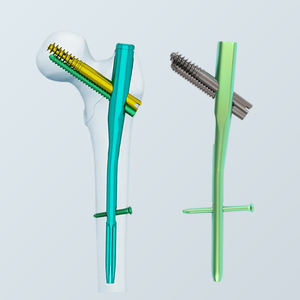
Trauma Fixation Titanium Intertan Interlocking Intramedullary Nail Implant For Orthopedic Fracture Trauma Treatment

Titanium Intertan Interlocking Intramedullary Nail Implant For Orthopedic Fracture Trauma Treatment

Dual integrated lag screw structure providing active rotational control and linear intraoperative compression for complex subtrochanteric fractures.

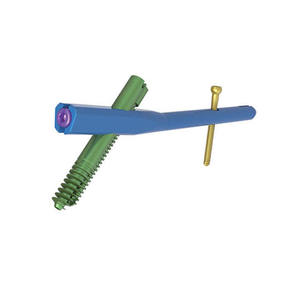
Class III Medical Factory Direct Orthopedic Implants PFNA Interlocking Nail Class III Standard CE ISO MDD

Factory Direct Orthopedic Implants PFNA Interlocking Nail Class III Standard CE ISO MDD

Proximal Femoral Nail Antirotation with helical blade design to compact cancellous bone, ideal for osteoporotic hip fracture fixation.

Upper Extremity Premium Ulna Interlocking Intramedullary Nail Orthopedic Fixation Implant for Bone Surgery

Premium Ulna Interlocking Intramedullary Nail Orthopedic Fixation Implant for Bone Surgery

Anatomically contoured forearm intramedullary system offering rigid rigid axial stabilization through mini-open surgical approaches.

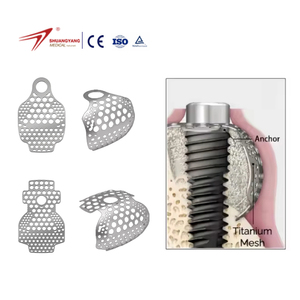
Bone Regeneration Dental Master GBR Bone Tack Kit Titanium Implant For Bone Regeneration CE ISO Certified Hospital Use Class III Medical Device

Dental Master GBR Bone Tack Kit Titanium Implant For Bone Regeneration CE ISO Certified

Precision-machined titanium micro tacks and applicator system for secure membrane fixation in guided bone regeneration (GBR) surgery.

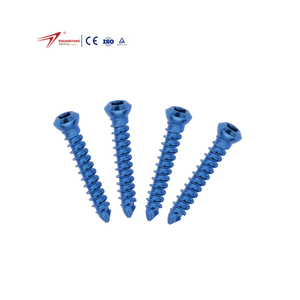
Bone Screws Shuangyang Medical Orthopedic Trauma Implants 2.0mm Titanium Orthopedic Cortex Screw - Quadrangle Design Prices Of Bone Screws

2.0mm Titanium Orthopedic Cortex Screw - Quadrangle Recess Design Trauma Fixation

Ultra-precise titanium alloy cortical screw engineered with anti-stripping drive geometry for small fragment rigid internal fixation.

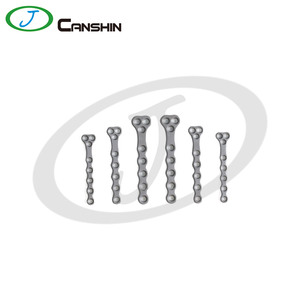
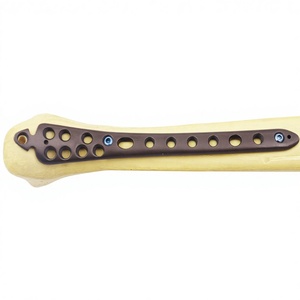
Veterinary Trauma Veterinary Orthopedic Surgery Implant T Shape Reconstruction Locking Plate with Pure Titanium

Veterinary Orthopedic Surgery Implant T Shape Reconstruction Locking Plate Pure Titanium

Malleable T-contour locking plate crafted from Gr2 pure titanium for small animal reconstructive and periarticular fracture management.

Distal Tibia Orthopedic Titanium Trauma Implant Distal Tibial Medial Locking Plate Bone Fracture Internal Fixation Medical CE ISO Certified

Orthopedic Titanium Distal Tibial Medial Locking Plate Fracture Internal Fixation System

Low-profile anatomical plate featuring combed locking screw holes to prevent soft tissue irritation while preserving periosteal blood supply.

Executive Summary: Navigating Global Orthopedic Implants Sourcing & Pricing Structures

The global market for orthopedic implants, spinal hardware, trauma locking plates, and joint reconstruction systems is undergoing a major structural transformation. Valuation is projected to reach $78.6 Billion by 2032, driven by an aging global demographic, a surging incidence of high-energy traumatic injuries, and expanding access to advanced surgical care across emerging economies.

For hospital procurement boards, regional medical device importers, and private-label brand holders, evaluating "orthopedic implants price" is no longer a simple unit-cost comparison. It requires an in-depth understanding of metallurgic purity, multi-axis precision machining tolerances, cleanroom packaging, ISO 13485 quality control protocols, and country-specific regulatory certification costs (FDA 510(k), CE MDR 2017/745). This industry benchmark whitepaper provides procurement executives with a structured blueprint for evaluating top global exporters, identifying hidden manufacturing cost drivers, and mitigating supply chain risks.

Manufacturer Benchmark

Top 10 Global Orthopedic Implants Manufacturers & Exporters

A comparative technical matrix evaluating Western multinational brands against high-efficiency, ISO 13485 certified OEM/ODM precision exporters.

Manufacturer / Exporter Category Primary Product Expertise Price Tier & Cost Structure MOQ & Reorder Flexibility Quality & Regulatory Standard OEM/ODM Custom Capability
Multinational Western Tier-1
(Stryker, DePuy Synthes, Zimmer Biomet)
Total Joint Replacement, Complex Spine, Deformity Correction Premium Tier
(High overhead & clinical trial margins)
High Contract Volume Constraints FDA 510(k), CE MDR, ISO 13485 Strictly Proprietary Systems Only
Ortix Medical Devices Co., Ltd.
(Leading OEM Export Manufacturer)
Trauma Plates/Nails, Spine Cages, Screws, CMF, Instruments High-Efficiency OEM Tier
(Direct plant rates, 45-65% savings)
Low MOQ / Mixed-SKU Orders ISO 13485 Certified, FDA Registered Full Turnkey OEM / Private Label / Custom Design
Mid-Tier European Exporters
(Specialized Spinal & Trauma Boutiques)
3D Printed Trabecular Titanium, Custom PEEK Cages Upper Mid-Tier Moderate to High Batch Orders CE MDR, ISO 13485 Limited Custom Adaptations
Asian OEM Processing Hubs
(Regional Subcontractors)
Standard Cannulated Screws, Basic K-Wires & Pins Economy Low-Cost Tier High Minimum Quantities Per SKU Basic ISO 9001 / ISO 13485 Basic Laser Etching & Packing

Tier-1 Brand Dynamics

Global brands command premium pricing due to extensive sales forces, high marketing overhead, and massive clinical trials. However, their fixed catalog pricing leaves little room for regional price negotiation or rapid custom modification for local hospital tenders.

High-Value OEM/ODM Exporters

Manufacturers like Ortix Medical leverage specialized 5-axis CNC machining, automated cleanroom packaging, and in-house testing laboratories to offer medical-grade implants matching Western mechanical standards at direct factory cost structures.

Procurement Agility

Choosing an exporter capable of supporting mixed-SKU shipments (combining trauma plates, intramedullary nails, spinal pedicle screws, and matching instrument sets in one crate) dramatically reduces inventory holding costs and customs friction.

Cost Factor Breakdown

Orthopedic Implants Price Structure & Technical Cost Drivers

Understanding what contributes to the manufacturing unit price of Class II and Class III orthopedic hardware.

1. Raw Metallurgical Material Grade Selection

The core material specification forms the baseline cost of any surgical implant. Premium manufacturers strictly utilize certified biocompatible medical alloys:

  • Ti-6Al-4V ELI (ASTM F136 / ISO 5832-3): Extra Low Interstitial titanium offering high fatigue strength (>860 MPa) and superior fracture toughness for load-bearing trauma plates and spinal screws.
  • PEEK-OPTIMA (Polyetheretherketone): Radiolucent polymer with a modulus of elasticity closely matching human cortical bone, used extensively in spinal fusion cages.
  • 316L VM Stainless Steel (ASTM F138): Vacuum-melted stainless steel for robust temporary fracture fixation at an economical price point.

2. Swiss CNC Machining & Micro-Tolerances

Machining complex locking threads, dual-lead pedicle screw pitches, and cannulated channels demands high-precision Swiss-type automatic lathes and 5-axis milling centers:

  • Dimensional Tolerances: Precision maintained within ±0.005 mm to ensure smooth engagement between locking screws and plate hole threads.
  • Tool Wear & Cycle Times: Titanium alloys generate significant thermal resistance during high-speed turning, increasing tool insert replacement costs.
  • Deburring & Edge Radius: Microscopic manual and ultrasonic deburring to eliminate micro-burrs that could cause soft tissue necrosis.

3. Biocompatible Surface Treatments

Surface finishing directly influences cell adhesion, corrosion resistance, and wear debris reduction:

  • Type II & Type III Anodization: Color-coded electrochemical surface treatment enhancing fatigue life and allowing instant color identification during surgery.
  • Plasma-Sprayed Hydroxyapatite (HA): Bioactive ceramic layer promoting rapid osteointegration on joint stems and spinal cages.
  • Electropolishing (Ra < 0.2 µm): Ultra-smooth surface finish on articulating components to minimize friction and osteolysis.

4. Cleanroom & Regulatory Assurance Costs

Medical devices require rigorous quality control steps before leaving the plant:

  • Cleanroom Processing: Washing and double-blister sealing performed inside ISO Class 7 (Class 10,000) cleanrooms.
  • Mechanical Validation: Static axial torque, pull-out strength, and dynamic bending fatigue testing per ASTM F543 & ASTM F1717 standards.
  • Lot Traceability: Complete raw material certificate (MTR) mapping from titanium ingot to finished laser-marked device.
Manufacturing Powerhouse

Ortix Medical: Enterprise Advantages & Supply Capabilities

Combining massive production scale with agile OEM customization to empower medical device distributors worldwide.

60,000 m²
Modern Production Facility
450+
CNC & Turning Centers
~20,000
Units Daily Production Capacity
70+
Senior R&D Engineers

ISO 13485 & FDA Registered

Operating under an audited Quality Management System, Ortix Medical provides fully compliant documentation packages—including material certificates, sterility reports, and technical files—to support seamless registration with regional Health Authorities.

Low MOQ & Mixed-SKU Consolidation

Eliminate overstocking risks. Distributors can consolidate small-batch orders of locking plates, bone screws, intramedullary nails, and matching surgical instrument trays within a single container shipment.

Turnkey OEM & ODM Customization

From custom laser marking of corporate branding to tailored sterile pouch packaging, IFU design, and specialized modification of surgical instrument geometry, our in-house engineering team delivers end-to-end support.

Future Procurement Trends

Orthopedic Implant Technological & Procurement Trends (2025–2030)

Key technological shifts and regulatory dynamics reshaping the global orthopedics market over the next decade.

1. Additive Manufacturing & Trabecular Titanium

3D printing via Selective Laser Melting (SLM) and Electron Beam Melting (EBM) is revolutionizing spinal cages and cranial implants. By creating interconnecting porous structures mimicking natural cancellous bone (60-70% porosity), trabecular implants significantly accelerate vascularization and bone ingrowth compared to traditional machined solid implants.

2. Antimicrobial & Bioactive Surface Engineering

Preventing peri-implant infection is a top clinical priority. The industry is moving rapidly toward functionalized coatings: copper-doped titanium dioxide coatings, silver nanoparticle deposition, and nanostructured hydroxyapatite layers that actively inhibit bacterial colonization while promoting cellular differentiation.

3. EU MDR Impact & Regulatory Harmonization

The rigorous requirements of the European Union Medical Device Regulation (EU MDR 2017/745) have led to the withdrawal of several legacy products by Western manufacturers. This regulatory shift creates immense growth opportunities for agile exporters who maintain complete Post-Market Surveillance (PMS) systems and robust technical documentation packages.

4. Growth of Hybrid OEM/ODM Sourcing Models

Hospitals and large distributors are increasingly avoiding single-brand lock-in. Sourcing directors are establishing direct relationships with qualified original equipment manufacturers (OEMs) to develop private-label trauma and spinal product lines—reducing procurement spend while retaining complete brand equity.

Strategic Procurement Guide: How to Evaluate an Orthopedic Exporter

Before issuing a purchase order or committing to a long-term supply contract with an orthopedic manufacturer, hospital procurement committees and importers should perform the following 5-step factory audit:

Step 1: Material Verification

Demand lot-specific Material Test Reports (MTRs) certifying chemical composition and mechanical properties per ASTM F136 or ASTM F138 standards.

Step 2: QC Inspection & Testing

Confirm the factory maintains CMM (Coordinate Measuring Machine) inspection, optical comparators, and static/dynamic fatigue testing capabilities.

Step 3: Cleanroom Integrity

Audit the cleanroom classification (ISO Class 7/8) and review particulate monitoring, bioburden testing, and sterile barrier packaging validation.

Step 4: Instrument Tray Fit

Evaluate sample instrument sets to ensure screwdrivers, benders, drill guides, and reamers align perfectly with implant drive recesses.

Buyers' FAQ

Frequently Asked Questions by Orthopedic Buyers

Answers to common questions regarding quality certifications, minimum order quantities, private labeling, and global delivery timelines.

What quality certifications does Ortix Medical hold for global export? +
Ortix Medical operates strictly under an ISO 13485 certified quality management system and is registered with the U.S. FDA. Complete technical documentation packages—including ISO certificates, material compliance sheets (ASTM F136/ASTM F138), mechanical fatigue test reports, and sterilization validation documents—are supplied to qualified distributors to support local Ministry of Health registration.
What is the minimum order quantity (MOQ) for orthopedic implants and instrument sets? +
We provide highly flexible ordering terms to support both emerging distributors and established hospital networks. We offer low MOQ and mixed-SKU order options, allowing buyers to combine trauma plates, locking bone screws, intramedullary nails, spinal fusion cages, and surgical instrument kits within a single consolidated shipment. Exact MOQs depend on whether standard catalog SKUs or custom OEM private-label packaging is requested.
Do you provide full OEM and ODM services for orthopedic surgical devices? +
Yes. Our in-house R&D team consists of over 70 experienced biomedical engineers. We provide turnkey OEM and ODM services—including custom laser etching of corporate logos, specialized anodization color coding, private-label box packaging, IFU layout design, and engineering modifications to implant geometry or surgical tool ergonomic handles.
Can qualified distributors request physical samples prior to placing bulk orders? +
Yes. Qualified distributors, hospital procurement managers, and OEM partners can apply for physical evaluation samples through our Free Sample program. This enables surgical teams and quality assurance officers to evaluate surface finish, dimensional tolerances, thread engagement, and instrument compatibility prior to commercial commitment.
What is your daily manufacturing capacity and typical lead time for delivery? +
Our modern 60,000 m² manufacturing plant houses over 450 precision CNC machines and automated Swiss turning centers, producing approximately 20,000 finished units per day. Standard catalog items ship rapidly within short replenishment cycles, while custom OEM/ODM production runs follow a structured timeline agreed upon during project kickoff.
How do Ortix Medical's orthopedic implants compare in price with Western Tier-1 brands? +
By maintaining vertically integrated manufacturing, automated machining processes, and direct factory distribution, Ortix Medical delivers medical-grade implants crafted from identical biocompatible titanium (Ti-6Al-4V ELI) and PEEK polymers at a 45% to 65% cost savings compared to traditional Western brand names—without compromising mechanical performance or regulatory compliance.

Partner with a World-Class Orthopedic Implant Manufacturer

Upgrade your product catalog with high-precision trauma, spinal, and reconstructive implant systems. Contact our global export team today to receive detailed catalog specifications, direct factory pricing tiers, and sample evaluation kits.

Get a Quote