Featured Orthopaedic Implants & Surgical Tooling
High-precision, certified orthopaedic devices engineered for global hospital tenders and medical equipment distributors.

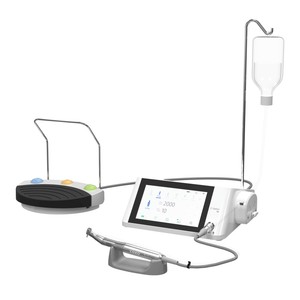
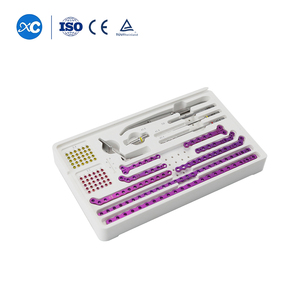
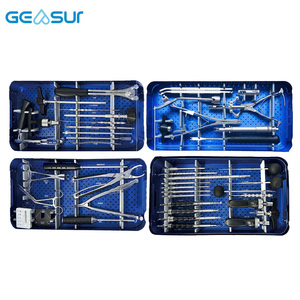
Strategic Enterprise Advantage: Industrializing Surgical Quality
Delivering end-to-end orthopaedic manufacturing control with unmatched scale, rigorous testing, and complete global regulatory backing.
Certified Quality Assurance
Fully compliant with ISO 13485 quality systems and registered with the U.S. FDA. Every lot undergoes dimensional verification, surface roughness checks, and chemical cleanliness evaluation.
Full-Spectrum Engineering
Integrated manufacturing spanning Spine, Trauma, Joint, Sports Medicine, CMF, External Fixation, and Surgical Power Tools, enabling consolidated logistics and reduced vendor overhead.
Flexibility & Low MOQ
Specialized order structure allowing mixed-SKU batches across plates, screws, cages, and matching instrument trays—perfect for hospital supply contracts and regional trial launches.
Turnkey OEM / ODM Solutions
In-house precision laser marking, customized sterile barrier blister packaging, IFU layout, and custom implants engineered by our 70+ staff R&D team.
Information Gain & Quality Insight: Sourcing orthopaedic devices requires analyzing metallurgical purity and mechanical fatigue thresholds rather than unit cost alone. Premium China suppliers leverage vacuum arc remelting (VAR) for Titanium Grade 5 ELI (Ti-6Al-4V ELI according to ASTM F136) and PEEK-OPTIMA polymers.
Every batch produced within our 60,000 m² industrial facility is subjected to static and dynamic fatigue testing under ISO 14801, ASTM F1717 (for spinal implants), and ASTM F382 (for metallic bone plates), preventing early screw shear, loosening, or stress shielding post-implantation.
Technical Analysis: Next-Generation Orthopaedic Device Engineering
Understanding biomechanics, surface modifications, and material choices across modern surgical sub-specialties.
1. Spinal Fixation & Interbody Fusion Technologies
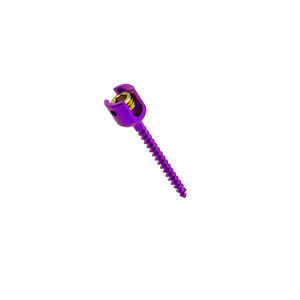
Modern spinal reconstructive surgery demands rigid stabilization combined with osteoconductive fusion environments. Posterior thoracolumbar systems utilize 5.5mm and 6.0mm titanium alloy rods coupled with friction-fit polyaxial pedicle screws. Dual-lead thread profiles allow rapid insertion while maximizing cancellous bone purchase.
Interbody fusion technology has shifted toward 3D-printed porous titanium and PEEK (Polyetheretherketone) cages. Radiolucent PEEK provides an elastic modulus (3.6 GPa) close to human cortical bone, reducing stress shielding at adjacent levels, while micro-textured porous surfaces encourage direct osseointegration without fibrous tissue interposition.
2. Advanced Trauma Fixation & Locking Compression Plates
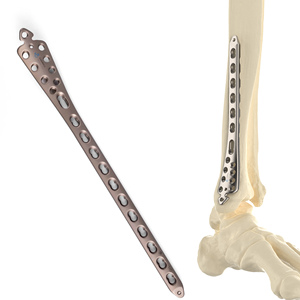
Trauma management relies heavily on anatomical pre-contoured locking compression plates (LCP) and intramedullary nailing systems. Modern 3.5mm and 5.0mm titanium locking plates feature combi-holes, enabling surgeons to achieve either conventional compression or angular stable locking fixation within a single implant construct.
For long bone shaft fractures (femur, tibia, humerus), intramedullary nails engineered with double-lag screw configurations offer superior rotational stability in osteoporotic bone. Anodized Type II surface treatments increase fatigue life by over 30%, suppressing titanium ion release into surrounding physiological tissue.
| Material / Technology | Biomechanical Elastic Modulus | Primary Clinical Application | Key Engineering Advantages |
|---|---|---|---|
| Titanium Grade 5 ELI (ASTM F136) | ~110 GPa | Pedicle Screws, Trauma Plates, Intramedullary Nails | High yield strength, excellent biocompatibility, superior fatigue limits via VAR refining. |
| PEEK-OPTIMA (Polyetheretherketone) | ~3.6 GPa | Interbody Fusion Cages, Cranial Repair | Matches natural bone stiffness, radiolucent for artifact-free CT/MRI post-op assessment. |
| 3D Printed Porous Titanium (SLM/EBM) | ~1.5 - 3.0 GPa (Engineered) | Acetabular Cups, Custom Spine Cages, CMF Plates | Interconnected 600-800µm pore structure facilitating cellular ingrowth and long-term biological fixation. |
| 316L Stainless Steel (ASTM F138) | ~190 GPa | Veterinary Implants, Economic Trauma Systems | High tensile strength, cost-effective structural rigidity for temporary internal fixation. |
Global Procurement Trends: Sourcing Orthopaedics from China
Strategic insights for medical device importers navigating regulatory shifts, supply chain optimization, and cost-containment directives.
1. Consolidation of OEM Supply Chains
Global distributors are moving away from sourcing components across fragmented suppliers. Partnering with a consolidated Chinese manufacturer that offers matched implant-and-instrument sets eliminates interface mismatch risks during surgery and drastically streamlines customs clearance documentation.
2. Rising Demand for Private Labeling
Importers and hospital networks are increasingly establishing proprietary brands. Top-tier suppliers support complete private label programs—from laser etching GTIN/UDI codes on implant shafts to compliant ISO 11607 sterile blister tray sealing and custom artwork design.
3. Regulatory Stringency (MDR & FDA UDI)
Regulatory bodies worldwide demand full raw material traceability from ingot to finished device. Suppliers must provide batch chemical certificates, non-destructive testing (NDT) logs, and validated cleanroom packaging reports to support local country registration.
Industry Development Roadmap: Next 5-10 Years
How technological convergence is reshaping orthopaedic manufacturing and surgical outcomes.
Additive Manufacturing & Patient-Specific Implants (PSI)
Selective Laser Melting (SLM) and Electron Beam Melting (EBM) have revolutionized custom reconstruction. Bone loss from oncological resections or severe revision arthroplasty can now be reconstructed using patient-matched 3D-printed titanium implants derived from pre-operative CT DICOM data, reducing intra-operative modification time.
Smart Implants & Bioresorbable Materials
The next decade will see increased adoption of bioresorbable magnesium alloy trauma screws that gradually degrade post-bone healing, eliminating secondary implant removal procedures. Additionally, embedded micro-sensors are being integrated into spinal constructs to monitor real-time strain and detect fusion progress non-invasively.
Frequently Asked Questions by Orthopaedic Buyers
Critical answers for procurement officers, medical distributors, and tender managers sourcing surgical devices.
What quality certifications does your manufacturing facility hold? +
Our manufacturing plant operates strictly under an ISO 13485 certified quality management system and is registered with the U.S. FDA. All implants carry full lot traceability from raw material titanium/PEEK bars to final sterile packaging. Material certificates, mechanical testing reports (ASTM/ISO standards), and validation files can be provided to qualified distributors for local registration.
What is the minimum order quantity (MOQ) for orthopaedic implants and instruments? +
We support low MOQ requirements with flexible mixed-SKU ordering structures. Distributors can combine different sizes of trauma plates, pedicle screws, locking screws, fusion cages, and surgical instrument kits into a single consolidated order, helping reduce inventory carrying costs in growth markets.
Do you offer custom OEM / ODM design and private labeling services? +
Yes. Our dedicated R&D engineering team of 70+ specialists handles full OEM/ODM projects. Services include customized laser logo etching, UDI/barcode printing, specialized tray layout design, modified implant geometries, and customized sterile barrier packaging tailored to your brand specifications.
Can we request evaluation samples before committing to a bulk tender order? +
Yes. Qualified medical distributors, tender managers, and hospital clinical teams can request evaluation samples. This allows surgeons and bio-engineers to inspect surface finish, dimensional tolerances, thread meshing, and instrument ergonomics prior to contract finalization.
What are the standard lead times for manufacturing and global dispatch? +
With a 60,000 m² facility equipped with over 450 high-precision CNC machining centers and a daily output of 20,000 units, standard catalog items ship rapidly. Customized OEM orders or specialized production runs follow a structured delivery schedule discussed during quotation.
How do you ensure matching compatibility between implants and surgical instruments? +
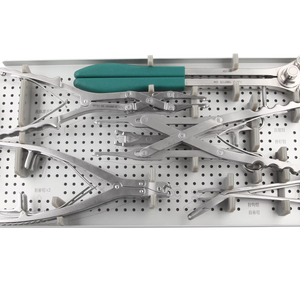
All surgical instrument sets (drivers, taps, reamers, benders, drill guides) are engineered in-house alongside the respective implant lines. Go/No-Go gauge testing is conducted on every batch, guaranteeing 100% intra-operative fit between screw heads, plate holes, and driver shafts.
Accelerate Your Medical Supply Chain with Top-Tier China Manufacturing
Connect with our technical export specialists today to receive complete product catalogs, certified material test reports, sample kits, and customized OEM project quotes.
Inquire Now