Executive Overview: The Global Orthopedic Implants Sourcing Landscape
The international healthcare industry is undergoing a structural transition toward high-precision, cost-efficient, and bio-harmonious surgical implant solutions. As hospital networks, orthopedic clinics, and medical device importers strive to manage soaring clinical costs while elevating surgical success rates, China has emerged as the world’s leading hub for medical-grade titanium alloy (Ti-6Al-4V ELI), PEEK-OPTIMA polymer, and high-tensile 316LVM stainless steel implants paired with modular surgical instrument trays.
Modern orthopedic surgery demands absolute biomechanical consistency, extreme dimensional tolerances (down to micro-meters), and unimpeachable biocompatibility. Establishing a dependable B2B supply chain with qualified OEM/ODM contract manufacturers in China requires deep technical due diligence into factory capabilities, quality control management, dynamic fatigue testing standards (ASTM F1717, ASTM F543, ISO 14801), and international regulatory certifications including ISO 13485:2016, FDA establishment registration, and EU MDR technical file readiness.
This authoritative technical whitepaper evaluates top-tier catalog offerings, enterprise manufacturing infrastructure, emerging surgical trends, and strategic procurement frameworks designed for medical device distributors seeking competitive market positioning and rapid local product registration.
Top China Orthopedic Implants Catalog Showcase
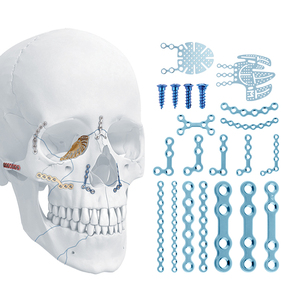
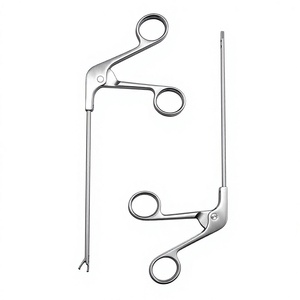
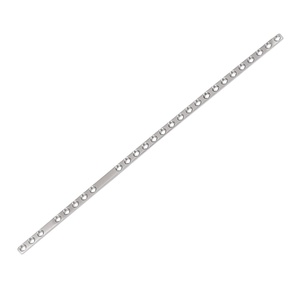
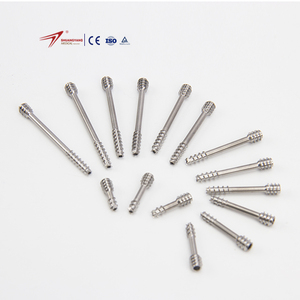
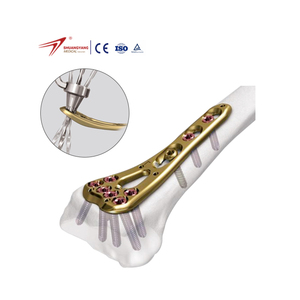
Explore our high-demand trauma plates, spinal fixation constructs, CMF micro-plates, cannulated bone screws, and specialized surgical instruments engineered for optimal osteosynthesis.
Enterprise Advantage: Ortix Medical’s Manufacturing Infrastructure
Selecting an OEM/ODM manufacturing partner in China demands proof of repeatable manufacturing precision, extensive quality assurance protocols, and scalable throughput. Ortix Medical Devices Co., Ltd. operates as a premier medical equipment manufacturer, supporting distributors across over 80 countries with turnkey surgical solutions.
ISO 13485 & FDA Quality Ecosystem
Our quality management system is fully accredited under ISO 13485:2016 and establishment registered with the U.S. FDA. Every production lot undergoes 100% optical CMM inspection, chemical composition spectroanalysis, and mechanical load-to-failure testing to ensure strict compliance with global medical device standards.
Advanced Multi-Axis Swiss CNC Milling
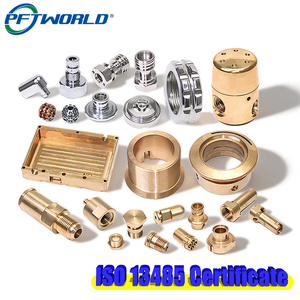
Utilizing high-end Citizen, Star, and DMG Mori 5-axis CNC machines, we craft intricate cannulated pedicle screws, variable-angle locking plates, and custom PEEK spinal cages with micron-level tolerance fidelity, eliminating internal residual stress and surface burrs.
Complete Turnkey Instrument Pairing
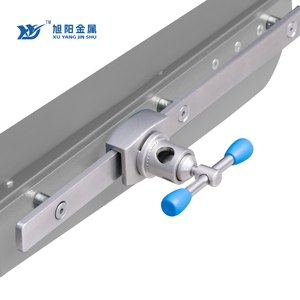
We solve the common buyer headache of incompatible surgical tools. Every catalog implant series—from spinal pedicle screw systems to sports medicine suture anchors—is supported by custom-engineered, color-coded stainless steel surgical instrument trays, quick-coupling drivers, and reamers.
Industry Development Trends in Orthopedic Engineering
The global orthopedic implant sector is experiencing a rapid technological evolution driven by biomaterial innovations, minimally invasive surgical techniques (MIS), and advanced surface functionalization. Manufacturers in China are leading this shift by investing heavily in high-value engineering, modernizing traditional mechanical designs into bio-interactive systems.
1. Trabecular Titanium & 3D-Printed Porous Surfaces
Traditional solid titanium implants are giving way to biomimetic trabecular metal structures fabricated via Electron Beam Melting (EBM) and Direct Metal Laser Sintering (DMLS). These 3D-printed porous titanium surfaces mimic human cancellous bone architecture, encouraging rapid osteoblast migration and direct bone ingrowth (osseointegration) while reducing elastic modulus mismatch to eliminate stress shielding.
2. Radiotranslucent Polymers: PEEK & Carbon-PEEK
Polyetheretherketone (PEEK-OPTIMA) has become the gold standard material for spinal fusion cages and cranial defect repairs. Its radiolucent property allows clear post-operative radiographic evaluation via CT and MRI without metallic artifact interference. Furthermore, Carbon-PEEK composites offer mechanical strength comparable to metal while maintaining bone-like elasticity.
3. Advanced Anodization & Surface Modification
To eliminate fretting corrosion between bone plate holes and screw heads, advanced manufacturers employ Type II Anodization and Micro-Arc Oxidation (MAO). Titanium surfaces treated with specialized anodization display superior fatigue strength, reduced ion release, and enhanced anti-bacterial adhesion, contributing to lower post-operative infection rates.
Future Procurement Trends in Global B2B Medical Sourcing
As healthcare regulatory agencies tighten market compliance and hospitals optimize inventory holding costs, procurement strategies for medical device distributors are fundamentally shifting. Understanding these macro trends allows importers to stay ahead of market disruptions.
Consolidated Turnkey Sourcing
Importers are moving away from multi-vendor fragmentation. Procurement managers prefer single-source suppliers capable of delivering unified catalogs across spine, trauma, CMF, and sports medicine, packaged alongside matched surgical power tools and tray sets to streamline logistics and import customs clearings.
Low-MOQ & Mixed-SKU Orders
To avoid overstocking slow-moving bone plate sizes or specialized spinal cages, B2B buyers favor manufacturers that offer flexible low Minimum Order Quantity (MOQ) policies. The ability to combine multiple implant SKUs and corresponding screws in a single shipment drastically optimizes working capital.
MDR & UDI Traceability Readiness
Global regulatory frameworks (such as EU MDR 2017/745 and US FDA UDI requirements) mandate full supply chain transparency. Modern procurement requires laser-etched Unique Device Identification (UDI) barcodes, complete raw material heat lot certifications, and validated terminal sterilization packaging (ISO 11607).
Frequently Asked Questions by B2B Medical Importers
Direct answers to essential quality, regulatory, logistics, and customization questions from global medical device procurement directors.
Partner with China’s Leading Orthopedic Implant Manufacturer
Elevate your medical distribution catalog with ISO 13485 certified trauma plates, spinal fusion cages, CMF micro-systems, and surgical instrument kits. Contact our engineering and export team today to receive product technical dossiers, catalog pricelists, or to initiate a private label evaluation trial.