Featured Orthopedic & Surgical OEM Solutions
Explore high-demand trauma plates, spinal pedicle screws, dental lab components, and surgical instrument sets manufactured to rigorous ISO 13485 and FDA benchmarks.
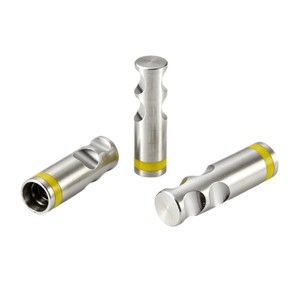
Custom CNC Machining Dental Implant Analog | Titanium/Stainless Steel Abutment & Lab Part For Medical Dental Lab
Send an Inquiry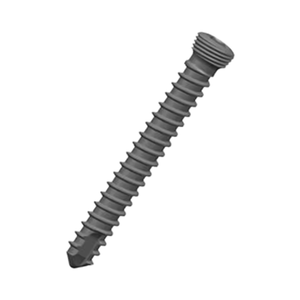
Geasure CE Certified Orthopedic Surgery 3.5mm Titanium Locking Screws Implants Plate Trauma Dental Implants Self-tapping Cortex
Send an Inquiry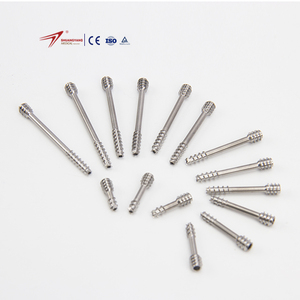
Trauma Surgery Orthopedic Implants Compression Headless Bone Screws Price Titanium Cannulated Orthopaedic Herbert Screw
Send an Inquiry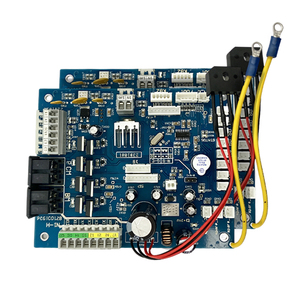
Ergonomic Dental Chair PCBA Manufacturer - ISO 13485 Certified Medical Grade Assembly for Oral Treatment Equip
Send an Inquiry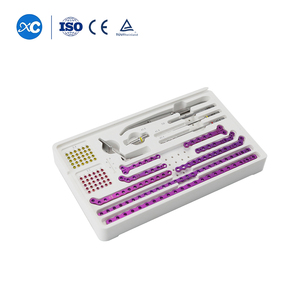
3.2mm Alps Veterinary Orthopedic Surgical Instrument Set Orthopedic Surgical Instrument Surgical Implant
Send an Inquiry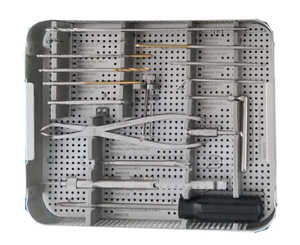
Orthopedic Instrument Small Fragment Orthopedic Instrument Set Surgical Instrument Set Medical Instruments Orthopedic Implant
Send an Inquiry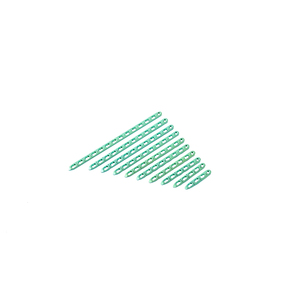
ORTHOCORE 1.5mm Locking Compression Plates Titanium Veterinary Orthopedic Implant Safe & Reliable
Send an Inquiry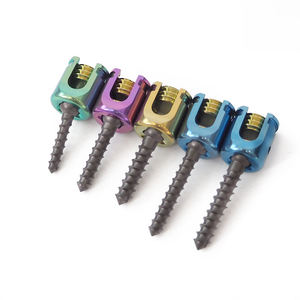
Veterinary Orthopedic Implants Polyaxial Spine Pedicle Screw Titanium Implant With Warranty And Online Technical Support
Send an InquiryScale, Precision, & Quality Assurance
Built to support global medical device distributors, hospital procurement networks, and private-label OEM brands with uncompromised manufacturing standards.
1. Executive Sourcing Analysis: Sourcing Precision Orthopedic Implants from Top China Factories
The global market for orthopedic implants—spanning spinal reconstruction systems, trauma locking plates, intramedullary nails, craniomaxillofacial (CMF) hardware, and joint replacement implants—has undergone a structural transformation. Procurement directors, hospital purchasing boards, and medical device distributors evaluating a request a quote from China orthopedic implants factories are no longer merely seeking cost containment. They are seeking advanced bio-metallurgical capabilities, tight dimensional tolerances (±0.005mm), ISO 13485:2016 quality system compliance, and turn-key OEM/ODM product customization.
China's medical device manufacturing sector has matured into a high-precision ecosystem powered by 5-axis Swiss-type turning centers, multi-axis milling machines (such as Citizen, DMG Mori, and Star), and additive manufacturing (3D printing using Electron Beam Melting). Tier-1 manufacturers like Ortix Medical Devices Co., Ltd. represent the apex of this evolution, operating 60,000 m² cleanroom and machining facilities capable of producing over 20,000 high-grade titanium and PEEK implant units daily.
When requesting quotations from Chinese orthopedic factories, qualified buyers must analyze the manufacturer’s entire value chain: raw material traceability (e.g., implant-grade Ti-6Al-4V ELI conforming to ASTM F136 or ISO 5832-3), surface treatment technology (anodization, plasma spraying, passivation), sterile packaging validation, and regulatory technical documentation required for local registration with national health authorities.
Information Gain Key Takeaway: Beyond Material Costs
In high-stakes orthopedic procurement, unit price accounts for less than 35% of total operational sourcing value. The remaining 65% is determined by batch-to-batch thread consistency, instrument-implant interface precision, regulatory dossier speed (CE/FDA technical files), and low Minimum Order Quantity (MOQ) flexibilities for high-SKU inventory setups.
Request Factory Audit MatrixWhy Global Buyers Partner with Ortix Medical
Streamlining international medical device procurement through unified product range, flexible batch ordering, and robust engineering support.
Full Portfolio Consolidation
Consolidate your purchasing across Spine (thoracolumbar pedicle screws, cervical plates, PEEK cages), Trauma (locking compression plates, intramedullary nails), Joint Arthroplasty, Sports Medicine (PEEK suture anchors, shaver blades), CMF, and Surgical Instrument sets from a single certified factory.
Turn-Key OEM & ODM Customization
Complete private-labeling execution including laser marking, customized color anodization for size coding, sterile blister packaging design, Instructions for Use (IFU) layout, and CAD/CAM adaptation of existing implant geometries for proprietary surgical techniques.
Low MOQ & Mixed-SKU Orders
Eliminate financial locking in slow-moving sizes. Distributors can combine mixed trauma plate lengths, various screw diameters, cages, and matching surgical instrument cases into single shipment batches, ideal for tender trial runs and expanding markets.
Rigorous ISO 13485 & FDA Quality
Operating under strict Quality Management Systems (QMS). Every production lot is accompanied by Mill Test Certificates (MTC), dimensional CMM inspection sheets, and mechanical fatigue test data validating static/dynamic bending strength.
Agile Lead Times & Global Shipping
Our 450+ automated machine fleet maintains substantial buffer stock of raw medical-grade bar stock and standard blank components, guaranteeing rapid turnarounds on emergency reorders and routine tender fulfillment cycles.
Complete Tender & Registration Files
We provide full technical documentation packages—including biocompatibility testing (ISO 10993), packaging integrity validation (ISO 11607), gamma/EO sterilization validation, and clinical evaluation reports—accelerating product approval in overseas markets.
3. Metallurgical Standards, Precision CNC Tooling, and Biocompatibility Matrix
The clinical efficacy of internal fixation implants depends directly on metallurgical purity, grain structure, and surface stress distributions. Orthopedic factories in China must strictly adhere to internationally recognized medical material standards to prevent intraoperative screw stripping, fatigue fractures, or adverse tissue reactions.
| Material Class | Standard Specification | Key Mechanical Properties | Primary Clinical Applications |
|---|---|---|---|
| Titanium Alloy (Ti-6Al-4V ELI) | ASTM F136 / ISO 5832-3 | Tensile strength ≥ 860 MPa, high fatigue limit, low elastic modulus (~110 GPa) matching bone. | Spinal pedicle screws, trauma locking plates, cannulated screws, CMF plating. |
| Unalloyed Titanium (Commercially Pure) | ASTM F67 / ISO 5832-2 | Grades 1-4, superior ductility, excellent corrosion resistance and bio-passivation. | Cranial mesh, soft tissue anchors, low-load max-fac plates. |
| Stainless Steel (316L / 316LVM) | ASTM F138 / ISO 5832-1 | High mechanical shear resistance, cost-effective rigid internal fixation. | Veterinary trauma plates, K-wires, steinmann pins, heavy-duty trauma intramedullary nails. |
| PEEK (Polyetheretherketone) | ASTM F2026 | Radiolucent, elastic modulus (~3.6 GPa) close to cancellous bone, zero stress-shielding. | Interbody spinal fusion cages (PLIF, TLIF, ACDF), suture anchors. |
| 3D Printed Porous Ti (EBM/SLM) | ASTM F3001 / ASTM F2924 | Interconnected porous lattice (porosity 60-80%, pore size 300-600 µm) for rapid bone ingrowth. | 3D-printed spinal fusion cages, acetabular hip cups, custom bone defect reconstructions. |
At Ortix Medical, quality assurance starts with raw material inspection. Every titanium and stainless steel rod undergoes ultrasonic flaw detection and chemical composition spectrum analysis. Post-machining, implants undergo automated deburring, electro-polishing, and controlled anodization (Type II anodization for fatigue resistance or Type III color anodization for clear size identification). Dimensional verification is performed using automated Coordinate Measuring Machines (CMM) and optical profile projectors under constant temperature conditions.
Future Sourcing & Biomechanical Engineering Trends
Key technological shifts shaping the next decade of orthopedic implant manufacturing and global buyer procurement strategies.
Widespread Adoption of 3D-Printed Trabecular Structures
Traditional solid PEEK and titanium cages are increasingly yielding market share to 3D-printed porous titanium implants. Additive manufacturing via Electron Beam Melting (EBM) allows factories to create biomimetic porous geometries that match human trabecular bone structure. This accelerates osteoblast adhesion, eliminates the need for BMP coatings, and shortens patient spinal fusion timelines to under 3 months. Importers requesting quotes should verify if Chinese factories offer in-house 3D printing equipment and powder recycling validation protocols.
PSI & AI-Driven Surgical Guides
The standard off-the-shelf implant matrix is expanding into Patient-Specific Implants (PSI) for complex oncological reconstructions, revision joint arthroplasty, and severe CMF trauma. Advanced Chinese factories now integrate AI-based software to convert DICOM CT scans into custom 3D CAD models within 24 hours. Combined with 3D-printed surgical cutting guides, custom implants reduce intraoperative surgical time by up to 40%.
Carbon-Fiber PEEK & Bio-resorbable Metals
Material science is shifting toward Carbon-Fiber-Reinforced PEEK (CF/PEEK), offering radiolucency with mechanical fatigue strength exceeding traditional titanium alloys. Simultaneously, bio-resorbable magnesium and zinc alloys are entering clinical trials for pediatric orthopedic screws and sports medicine anchors, eliminating secondary hardware removal procedures. Forward-thinking procurement teams are establishing strategic supplier relationships with R&D-focused factories pioneering these bio-composites.
UDI Integration & Automated Re-stocking
Under US FDA regulations and EU MDR requirements, Unique Device Identification (UDI) laser marking—including GS1-compliant 2D DataMatrix codes—is mandatory. Modern Chinese orthopedic manufacturers now integrate automated laser marking machines directly into cleanroom packaging lines. This allows distributors to offer hospital clients real-time consignment tracking, inventory rotation management, and automated restock triggers.
Frequently Asked Sourcing Questions (FAQ)
Critical compliance, operational, and commercial answers for medical device procurement managers and hospital import directors.
What quality certifications should I require when requesting a quote from a Chinese orthopedic manufacturer?
At minimum, the manufacturer must hold an ISO 13485:2016 Certified Quality Management System specific to medical device design and manufacturing. For entry into US markets, the factory must be registered with the US FDA as a Device Manufacturer and have relevant 510(k) clearances. For European markets, compliance with the EU MDR (2017/745) and CE certification issued by a recognized Notified Body is essential. Always request direct copies of certificates, scope documentation, and cleanroom environmental audit reports.
What is the typical Minimum Order Quantity (MOQ) structure for custom OEM or private label orders?
Standard catalog items from suppliers like Ortix Medical feature low MOQs—often allowing mixed-SKU batches of 5 to 10 units per size for trial orders. For complete private-label OEM requests involving custom laser etching, customized color anodization, and branded packaging, MOQs generally start around 50 to 100 units per item family. For fully custom ODM implants requiring specialized tooling, production runs are evaluated based on CAD complexity and machining setup times.
How do factories verify mechanical strength and fatigue resistance before shipping implants?
Tier-1 factories maintain certified internal testing laboratories equipped with dynamic multi-axis fatigue testing rigs. Implants undergo static bending, dynamic compression, shear strength, and pull-out force evaluations in accordance with ASTM and ISO standards (e.g., ASTM F2193 for spinal fixation components, ASTM F543 for medical bone screws). Complete mechanical test reports, heat-treatment logs, and raw material certificates (MTC) accompany each production lot.
Can I request physical evaluation samples prior to placing a full production contract?
Yes. Qualified distributors, hospital purchasing departments, and OEM buyers can apply for evaluation sample kits through our Free Sample evaluation program. Non-sterile evaluation samples allow orthopedic surgeons and biomedical engineers to verify dimensional accuracy, surface finish, anodization quality, driver connection engagement, and instrument set compatibility prior to committing to bulk purchase orders.
What documentation is provided to support product registration with local health authorities?
Ortix Medical supports overseas distributors by providing comprehensive regulatory dossiers. This includes ISO 13485 certificates, Certificates of Free Sale (CFS), raw material compliance data, bio-compatibility test reports (ISO 10993 series), cleanroom bio-burden validation, sterilization validation reports (ISO 11137 / ISO 11135), surgical technique manuals, and customizable Instructions for Use (IFU).
What is the standard production and shipping lead time for bulk orthopedic orders?
Standard catalog products stored in semi-finished inventory typically dispatch within 7 to 14 business days. Bulk production orders requiring custom batch manufacturing generally range from 30 to 45 calendar days depending on color anodization and packaging specifications. Express air freight options via DHL, FedEx, or specialized medical logistics providers ensure delivery within 3 to 7 days worldwide once production clears final QC.
6. B2B Risk-Mitigation: Factory Audit Checklist for Orthopedic Buyers
Before issuing a formal Purchase Order or finalizing a distribution contract with a factory in China, procurement teams should complete a rigorous supplier evaluation matrix. The checklist below outlines essential audit points required to protect your organization from quality defaults and supply chain disruptions.
| Audit Dimension | Critical Verification Parameters | Red Flags / Warning Signs |
|---|---|---|
| Raw Material Traceability | Verification of heat lot numbers matching Titanium/Stainless Steel ingot certificates directly from accredited melt facilities. | Inability to link finished implant batch numbers to original raw bar stock Mill Test Certificates. |
| Machining Equipment | Presence of high-precision 5-axis Swiss-type CNC lathes (Citizen, Star, Tornos) for complex thread profiles. | Use of standard 3-axis manual/semi-automated lathes for high-precision bone screw threads. |
| Cleanroom Packaging | Class 100,000 (ISO Class 8) controlled environment for final washing, double-blister sealing, and bio-burden management. | Manual packaging performed in non-controlled open factory environments without particulate monitoring. |
| Instrument Calibration | Calibrated CMM, optical comparators, thread gauges, and hardness testers with documented calibration logs. | Outdated or uncalibrated inspection tools; absence of 100% optical inspection on critical screw dimensions. |
| Regulatory Dossier Speed | In-house regulatory department capable of compiling STED or CSDT formatted technical files within 14 days. | Third-party reliance for basic technical documentation causing registration delays over 6 months. |
Ready to Streamline Your Orthopedic Implant Supply Chain?
Connect directly with Ortix Medical's export engineering team. Request custom pricing quotations, CAD catalog files, factory audit access, or evaluation sample kits for your target market.
Send an Inquiry Now