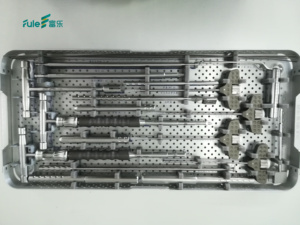
COX 6.0 Screw & Rod System Class I Surgical Instruments
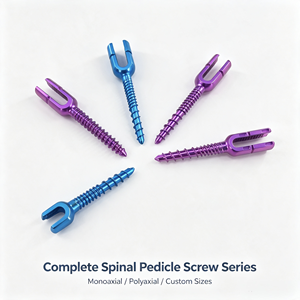
Designed for posterior thoracolumbar spine stabilization, featuring friction-fit polyaxial screw heads, dual-lead thread geometries, and high-strength 6.0mm titanium rods.
Explore our high-demand OEM/ODM surgical systems engineered from medical-grade Titanium Alloy (Ti-6Al-4V ELI), PEEK-OPTIMA, and 316LVM Stainless Steel. Supplied with fully matched surgical instrument trays for hospital tenders and international distribution.
Designed for posterior thoracolumbar spine stabilization, featuring friction-fit polyaxial screw heads, dual-lead thread geometries, and high-strength 6.0mm titanium rods.
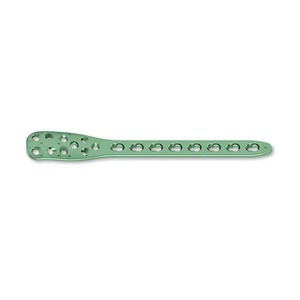
Comprehensive trauma fixation portfolio including locking compression plates, micro cannulated screws, and intramedullary nails tailored for volume distributor orders.
Fully customizable spinal internal fixation hardware. Supported by private-label laser marking, custom thread pitches, and specialized ergonomic instrument kits.
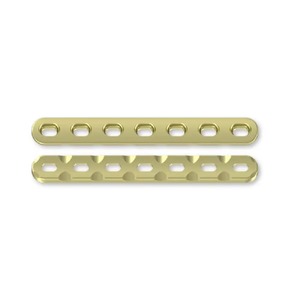
Biomechanically refined limited compression locking plates (LC-DCP) engineered to protect periosteal vascularization and accelerate bone consolidation in long-bone fractures.
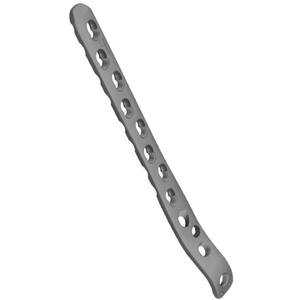
Anatomically contoured titanium trauma plates optimized for low profile fit and angular stability. Surface electro-anodized for enhanced fatigue life and micro-hardness.
Advanced MIS instrumentation featuring radiolucent towers, percutaneous sleeve dilators, and quick-connect torque drivers built for precision spine and trauma procedures.
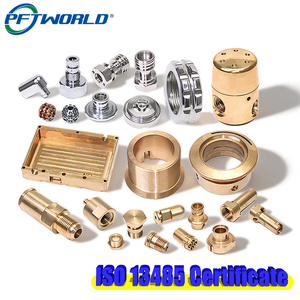
Ultra-precise 5-axis CNC machining of radiolucent PEEK-OPTIMA cages, titanium bone plates, and custom surgical components with micro-tolerances down to ±0.005mm.
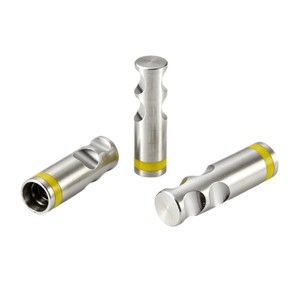
High-grade lab analogs and custom titanium abutments machined for dental labs and implant original equipment manufacturers seeking seamless internal connection tolerances.
Ortix Medical Devices Co., Ltd. serves as an end-to-end orthopedic implant manufacturer. From raw material spectral analysis to ISO Class 7 cleanroom packaging, our production ecosystem eliminates supply chain bottlenecks for global medical brand owners and stocking distributors.
Our 60,000 m² manufacturing plant houses over 450 advanced machines, including Swiss-type automatic CNC lathes (Citizen, Star) and 5-axis machining centers (DMG Mori). This massive setup yields a production throughput of over 20,000 precision surgical units per day.
Quality control is embedded into every operational milestone. Operating under an ISO 13485 certified quality management system and registered with the U.S. FDA, Ortix Medical executes rigorous raw material verification and lot-level traceability for every batch.
Our dedicated R&D center features over 70 biomedical engineers specializing in finite element analysis (FEA), pre-clinical biomechanical simulation, and rapid prototyping. We convert clinical concepts into commercially ready implants within expedited lead times.
Navigating global healthcare dynamics requires understanding how hospital purchasing committees, supply chain regulations, and clinical preferences are shifting. Here are five dominant macro-trends transforming orthopedic procurement.
Rising healthcare expenditures and regional tender cost-containment models are driving hospitals away from inflated Tier-1 brand markups. Procurement managers are partnering directly with certified OEM manufacturers capable of producing equivalent Ti-6Al-4V ELI implants at 30% to 50% lower capital outlay without sacrificing clinical outcomes.
Traditional machined solid implants are increasingly giving way to 3D-printed porous titanium constructs (Electron Beam Melting / Selective Laser Sintering). These porous lattices match the elastic modulus of human cancellous bone (reducing stress shielding) while fostering rapid bony ingrowth and long-term biological fixation in interbody fusion cages and joint arthroplasty.
Hospital infection control teams are prioritizing factory pre-sterilized procedure packs over re-sterilized tray sets. Single-use sterile kits lower operating room setup times, eliminate hospital autoclave reprocessing expenses, reduce cross-contamination risks, and ensure pristine instrument calibration for every procedure.
Global regulatory bodies (US FDA, EU MDR 2017/745, ANVISA, NMPA) now require unique device identification (UDI) laser barcodes directly etched on implants. Sourcing managers must select OEM suppliers with robust quality management systems capable of delivering complete technical dossiers and lot-specific compliance paperwork.
Product life cycles in orthopedic surgery are accelerating. To help distributors stay ahead of clinical expectations, our biomedical engineering team tracks key technological advancements across material science, surface modification, and instrument ergonomics.
Modern trauma and spine implants utilize advanced surface treatments to accelerate bone-to-implant contact (BIC). Micro-Arc Oxidation (MAO) and Plasma-Sprayed Hydroxyapatite (HA) coatings create microporous ceramic oxide layers that promote rapid osteoblast proliferation, shortening patient recovery timelines significantly.
While Titanium Grade 5 ELI remains the gold standard for load-bearing pedicle screws and fracture plates, carbon fiber-reinforced PEEK (CFR-PEEK) and PEEK-OPTIMA are revolutionizing interbody fusion and tumor reconstruction surgery due to their radiolucency under artifact-free CT/MRI imaging and modulus compatibility with cortical bone.
Next-generation locking plates are pre-contoured using massive anatomical 3D scan databases to minimize intraoperative plate bending. Furthermore, pedicle screws now feature variable double-lead thread designs—cancellous threads proximal, cortical threads distal—maximizing pull-out strength in osteoporotic bone.
Detailed technical answers to common queries raised by hospital procurement boards, regional medical device importers, and OEM contract clients.
Ortix Medical manufactures under an ISO 13485:2016 certified quality management system and maintains establishment registration with the U.S. FDA. To support your country's health authority registration (e.g., MOH, ANVISA, SFDA, CE Mark under MDR), we provide complete regulatory documentation packages. These include Device Master Records (DMR), Technical Dossiers (STED format), Material Certificates (Mill Test Reports per EN 10204 3.1), Dynamic Fatigue Test Reports (ISO 12189 / ASTM F543), Biocompatibility Reports (ISO 10993 series), and Instructions for Use (IFU).
We provide flexible low-MOQ structures to help distributors manage cash flow and inventory risk. Standard catalog items (such as standard pedicle screws, locking plates, and cannulated screws) can be ordered in small batch sizes or combined into mixed-SKU shipments. For custom OEM/ODM projects requiring special laser etching, custom anodization colors, or custom box packaging, MOQs are evaluated based on raw material batch requirements and CNC setup parameters. Contact our sales team for tailored quote configurations.
Yes. Our in-house biomedical engineering team (70+ R&D staff) specializes in ODM projects. You can supply 2D engineering drawings, 3D STEP files, or physical samples. We perform Design for Manufacturability (DFM) reviews, conduct Finite Element Analysis (FEA) to ensure structural integrity under dynamic loading, manufacture prototype samples using multi-axis CNC machines within 7 to 14 days, and assist with functional surgeon evaluations prior to mass production.
Every raw material lot (Titanium Alloy Ti-6Al-4V ELI per ASTM F136, PEEK-OPTIMA per ASTM F2026, 316LVM Stainless Steel per ASTM F138) is procured exclusively from certified medical-grade suppliers with mill test certificates. Upon delivery, our quality lab performs X-ray fluorescence spectroscopy and metallographic testing. Throughout production, CMM coordinate measuring machines, optical profile projectors, and automated vision systems perform in-line inspections. Full lot number traceability connects every single finished implant back to its raw material heat number.
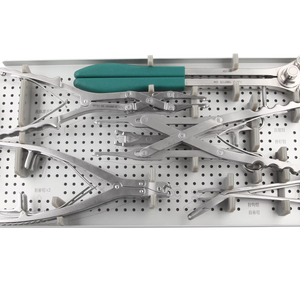
Yes. Qualified distributors, hospital tender teams, and medical device brand owners can request non-sterile evaluation samples and surgical instrument demo trays through our Free Sample initiative. Sample evaluation kits allow your chief surgeon advisors and purchasing managers to physically inspect surface finish, micro-thread precision, locking mechanism engagement, and driver ergonomic weight before committing to commercial contracts.
With an operational facility spanning 60,000 m² and a daily production output exceeding 20,000 units, standard catalog implants ship within 7 to 15 business days. OEM custom production runs generally ship within 30 to 45 days depending on tooling complexity and packaging requirements. We ship worldwide via major express carriers (DHL, FedEx, UPS), air freight, and sea cargo, complete with export packing lists, commercial invoices, certificates of origin, and custom export documentation.
Elevate your orthopedic product line with certified titanium, PEEK, and stainless steel surgical implants. Contact our global trade specialists today for confidential catalog pricing, technical specifications, and custom OEM development quotes.