Regulatory-Compliant Orthopedic Implants & Surgical Kits
Featured CE Certified Systems Optimized for Trauma, Spinal Fixation, and Oral Bone Regeneration in Gulf Clinical Environments
Executive Industry Whitepaper: Quality Assurance, Traceability Architecture, and Regulatory Dynamics in Kuwait’s Orthopedic Sector
The State of Kuwait represents one of the most sophisticated healthcare procurement ecosystems within the Gulf Cooperation Council (GCC). Driven by Kuwait Vision 2035 and coordinated by the Ministry of Health (MOH) Drug and Medical Appliance Control Administration, the demand for implantable Class IIb and Class III orthopedic devices has shifted decisively toward stringent regulatory verification, complete bi-directional micro-traceability, and validated biomechanical reliability. As a specialized manufacturer of CE-certified orthopedic implants and surgical instruments, our production infrastructure is specifically optimized to address the rigorous clinical, administrative, and logistical requirements mandated by Kuwaiti public medical centers, such as Al-Razi Orthopedic Hospital, as well as premier private healthcare networks including Sabah Al-Salem Specialty Centers, Hadi Hospital, Al Salam International Hospital, and Royale Hayat Hospital.
Navigating medical device procurement in Kuwait requires more than basic product availability; it demands complete technical transparency from raw material billet verification to post-operative patient record integration. Under the current Kuwait MOH frameworks aligned with the GCC Standardization Organization (GSO) and international EU MDR (2017/745) mandates, every trauma plate, pedicle screw, intramedullary nail, and guided bone regeneration (GBR) tack must carry non-destructible, laser-etched GS1 2D DataMatrix Unique Device Identification (UDI). This whitepaper outlines our advanced manufacturing architecture, localized clinical adaptation strategies for Kuwait's specific surgical demographics, and our end-to-end supply chain assurance protocols.
Regulatory Compliance Insight for Kuwait Importers: All implant systems supplied to the Kuwait market by our facility are accompanied by complete Technical Files, including ISO 13485:2016 Quality Management Certification, EU CE Certification under MDD/MDR, Class III Medical Device Registration Dossiers, and certified raw material mill test reports (MTR) confirming compliance with ASTM F136 / ISO 5832-3 (Ti-6Al-4V ELI Titanium) and ISO 5832-1 (316LVM Stainless Steel).
1. The Micro-Traceability Ecosystem: GS1 UDI & Fiber-Laser Marking Architecture
In surgical environments handling high-energy polytrauma or complex degenerative spinal disorders, implant traceability is directly linked to patient safety and institutional accountability. Generic un-etched or batch-only labeled implants pose severe risks of cross-contamination, incorrect size identification, and audit failure during hospital inventory reviews. Our facility operates an automated fiber-laser marking system operating at sub-micron precision to engrave direct-part marking (DPM) onto every individual implantable component.
This micro-traceability workflow records and embeds four primary data parameters into the GS1 2D DataMatrix code etched onto the non-bearing surfaces of our bone plates, pedicle screw heads, and intramedullary nails:
- Global Trade Item Number (GTIN): Standardized product identification code cross-referenced with Kuwait MOH drug and appliance catalogs.
- Material Heat / Melt Batch Code: Direct digital link to the origin raw titanium alloy ingot or medical-grade stainless steel melt batch, ensuring zero mixing of material lots.
- Serial & Lot Numbering: Individual component tracking enabling automated scanning during surgical tray assembly, sterile pouch sealing, and operating room (OR) log reporting.
- Expiration & Sterilization Epoch: Real-time validation of shelf-life status for pre-sterilized packaging configurations.
This high-density laser etching remains fully legible through repeated high-pressure steam autoclaving cycles (134°C at 2.1 bar) and ultrasonic bath cleaning, guaranteeing that surgeons and central sterile supply departments (CSSD) in Kuwait retain 100% verification throughout the lifecycle of the surgical instrument set and implant inventory.
5-Axis CNC Precision
Utilizing high-precision Citizen and DMG MORI Swiss-type lathes to execute complex thread profiles, variable pitch locks, and anatomical plate contours with ±0.005mm tolerances.
Biocompatible Surface Finishing
Type II anodization and electrochemical polishing eliminate free surface iron particles, enhancing osseointegration while maintaining superior corrosion resistance in human tissue.
Thermal-Stable Packaging
Tyvek® dual-peel sterile barrier pouch system tested to resist Gulf climatic extremes (+50°C summer transit), maintaining seal strength and sterile integrity across air and sea freight routes.
Localized Clinical Application Scenarios in Kuwait: Matching Epidemiology & Surgical Preferences
Understanding user intent and purchasing context in Kuwait requires deep familiarity with local clinical demographics and trauma profiles. Healthcare data across the GCC points to specific surgical demands where our specialized implant portfolios offer decisive mechanical and clinical advantages:
A. High-Energy Trauma & Road Traffic Injury (RTI) Fixation
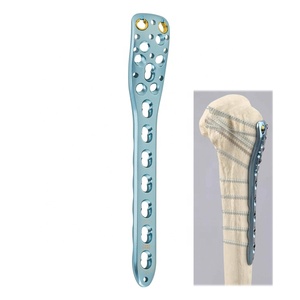
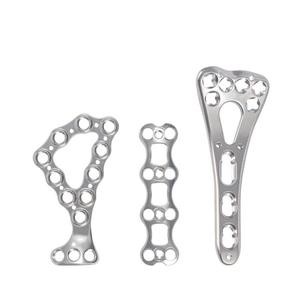
Due to high modern highway infrastructure usage across the Kuwait City, Jahra, and Ahmadi governorates, orthopedic trauma surgeons frequently encounter high-energy comminuted intra-articular fractures of the femur, tibia, and humerus. Traditional rigid fixation often leads to stress shielding or hardware failure. Our Variable Angle Locking Bone Plates and Proximal Femoral Intramedullary Nails (PFNA) feature multi-axial locking technology allowing screws to be angled up to 15° off-axis within the plate tower. This enables surgeons at trauma centers like Al-Razi Hospital to achieve optimal anatomical screw trajectory in osteoporotic or multi-fragmentary bone fragments, securing superior primary stability and encouraging early mobilization.
B. Thoracolumbar & Cervical Spine Reconstruction
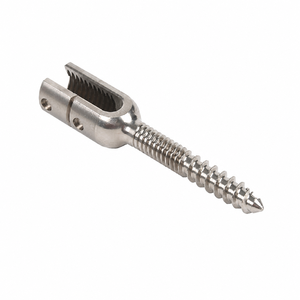
Spinal pathologies—ranging from traumatic vertebral burst fractures to high-incidence degenerative spondylosis and disc herniation associated with metabolic factors—require spine systems that balance mechanical rigidity with minimally invasive surgical (MIS) access. Our 5.5mm/6.0mm Thoracolumbar Pedicle Screw Systems feature low-profile tulip head geometries and friction-fit cannulated screws designed for percutaneous insertion. The dual-lead thread profile doubles insertion speed, reducing operative time and intraoperative blood loss in lengthy fusion procedures.
C. Guided Bone Regeneration (GBR) & Oral-Maxillofacial Surgery
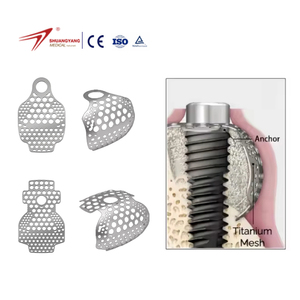
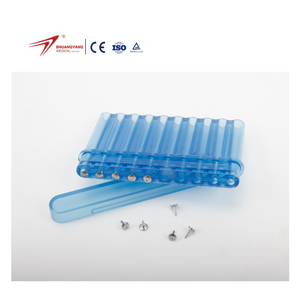
Kuwait's cosmetic and dental restoration sector is among the most advanced in the Middle East. Successful dental implant placement often requires preliminary or simultaneous ridge augmentation using bone grafting materials. Our Dental Master GBR Bone Tack Kits and Titanium Membrane Pin Systems provide oral surgeons with micro-machined Grade 5 titanium tacks designed to secure collagen or PEEK membranes over alveolar bone defects with precise mechanical retention. The ergonomic tack placement drivers feature precision spring retention mechanisms, preventing tack loss during posterior maxillary applications.
Technical Specification & Quality Benchmark Matrix
Comparative analysis demonstrating how Ortix Medical's manufacturing and traceability protocols align with top-tier international standards while providing OEM flexibility for Kuwait healthcare distributors:
| Evaluation Parameter | Standard Market Suppliers | Ortix Medical Engineering Standard | Kuwait MOH Procurement Compliance |
|---|---|---|---|
| Raw Material Origin | Commercial Titanium Grade 4/5 | ASTM F136 Ti-6Al-4V ELI / PEEK Optima LT1 | ✓ Exceeds Standard |
| Direct Part Traceability | Paper Box Batch Sticker Only | Direct Fiber-Laser GS1 2D DataMatrix (DPM) | ✓ Mandatory Compliance |
| Dimensional Tolerances | ±0.02 mm to ±0.05 mm | ±0.005 mm (5-Axis CNC Swiss Turning) | ✓ Superior Precision |
| Fatigue Resistance Testing | Standard Static Bending Only | 5,000,000 Dynamic Cycle Fatigue Tested (ISO 7206) | ✓ High-Load Safety Validated |
| Sterile Barrier Packaging | Single Layer PE Bags | Dual-Peel ISO 11607 Tyvek® Heat-Sealed Blisters | ✓ Tropical Transit Validated |
| OEM & Laser Marking Support | High MOQ / Rigid Branding | Flexible Low MOQ / Custom Distributor Branding | ✓ Tailored for Distributors |
Strategic Market Trends: Kuwait Vision 2035 & The Evolution of Medical Device Importation
The healthcare landscape in Kuwait is undergoing a structural transformation under the state’s long-term development strategy. Key trends impacting medical device procurement directors, hospital supply chain executives, and regulatory agents include:
1. Decentralization of Private Hospital Infrastructure
While public healthcare tenders managed through the MOH central stores in Sabhan continue to account for high-volume implant consumption, private healthcare construction in areas like Hawalli, Salmiya, and Ahmadi is expanding rapidly. Private hospitals prioritize fast delivery turnarounds, low minimum order quantities (MOQ), and pre-assembled specialized surgical tray configurations—allowing distributors to stock lean inventories without sacrificing clinical responsiveness.
2. Shift from CE MDD to EU MDR (2017/745) Documentation
Regulatory authorities in Kuwait are enforcing rigorous technical file re-evaluations. Importers are required to show Clinical Evaluation Reports (CER), Post-Market Clinical Follow-up (PMCF) plans, and risk assessment files conforming to ISO 14971. Ortix Medical provides complete regulatory dossier support, enabling local agents to submit seamless registration packages to the Kuwait MOH Drug and Medical Appliance Control Department.
3. Environmental Resistance Against High Thermal Storage Conditions
Ambient logistics during transit through Arabian Gulf ports (such as Port of Shuwaikh or Kuwait International Airport Cargo Terminal) can expose outer shipments to temperatures exceeding +50°C during peak summer months. Our sterile packaging systems utilize medical-grade Tyvek® 1073B combined with high-density PETG thermoformed blisters, subjected to accelerated aging and thermal shock testing according to ASTM F1980 protocols. This guarantees zero micro-void formation or seal degradation between factory dispatch and hospital CSSD receiving.
Frequently Asked Questions by Kuwait Medical Device Procurement & Regulatory Managers
How does your factory support the Kuwait Ministry of Health (MOH) medical device registration process?
We provide a comprehensive technical documentation package tailored for Kuwait MOH submission. This includes certified true copies of our ISO 13485:2016 certificate, CE Certificates under EU MDR/MDD, FDA registration data, Device Master Files (DMF), Certificate of Free Sale (CFS) legalized by the Kuwait Embassy, biocompatibility test reports (ISO 10993 series), and raw material Mill Test Certificates (MTR).
What micro-traceability solutions are implemented on your orthopedic implants for hospital inventory management?
Every individual implantable device features direct fiber-laser etched GS1 2D DataMatrix barcode identifiers along with human-readable lot numbers and size codes. This enables direct integration into hospital enterprise resource planning (ERP) systems and electronic health record (EHR) scanning tools utilized by central supply departments in Kuwait.
What is the minimum order quantity (MOQ) and lead time for shipments sent to Kuwait City or Shuwaikh Port?
We support distributor flexibility with low MOQ thresholds for standard catalog items, allowing mixed-SKU shipments of plates, screws, nails, and instruments in single orders. Standard air-freight orders via express cargo arrive at Kuwait International Airport within 5 to 7 business days following final dispatch, while sea freight to Mina Shuwaikh typically takes 18 to 22 days.
Do you offer OEM private labeling and customized instrument tray layouts for local medical brands in the GCC?
Yes. Our in-house engineering and graphic design teams provide full OEM/ODM support, including customized laser branding on screw heads and plates, bespoke anodization color coding for quick surgical identification, custom-molded silicone instrument tray inserts, and private label sterile box packaging compliant with GCC Arabic/English labeling guidelines.
How are implant sterile packaging pouches protected against severe heat during transit to the Middle East?
Our sterile products are double-pouched in heavy-duty DuPont™ Tyvek® combined with puncture-resistant medical film, sealed inside cleanroom ISO Class 7 environments. The packaging material undergoes real-time and accelerated thermal aging tests up to 60°C without loss of seal integrity, burst pressure strength, or microbial barrier performance.
Empower Your Kuwait Surgical Distribution Network with Regulatory-Grade Implants
Partner with an established ISO 13485 & CE certified OEM/ODM manufacturing factory. Request our complete product catalog, surgical technique guides, and competitive distributor price lists today.
Get Catalog