Certified Orthopedic Implant Portfolio for Egyptian Importers
Explore our high-precision implant catalog featuring medical-grade Titanium Ti6Al4V ELI and 316L Stainless Steel constructs, backed by full lot traceability and complete surgical instrument sets.
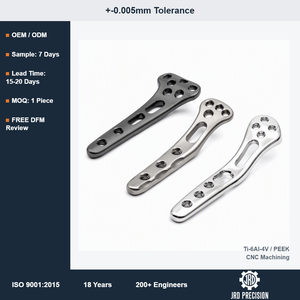
Veterinary Orthopedic Implants Model Aluminium Alloy Orthopedic Fracture Surgical Basic Instrument Plate Model
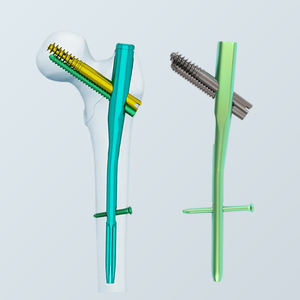
Titanium Intertan Interlocking Intramedullary Nail Implant For Orthopedic Fracture Trauma Treatment
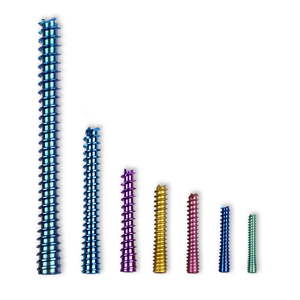
CANWELL Titanium Headless Cannulated Compression Screws Orthopedic Trauma Implant System CE Certified
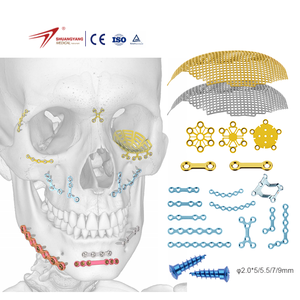
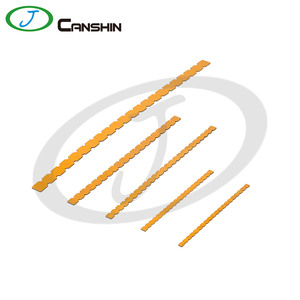
Shuangyang Medical Neurosurgery Maxillofacial System Cranial Implant Titanium Mesh Cranioplasty Skull Fixation Plating System
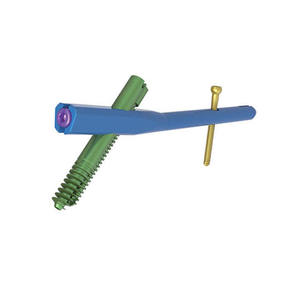
Factory Direct Orthopedic Implants PFNA Interlocking Nail Class III Standard CE ISO MDD
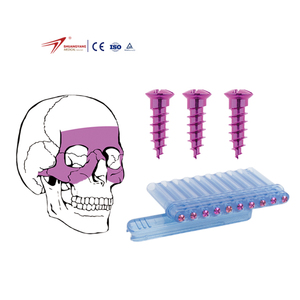
Orthopedic Implant Maxillofacial Surgery Plate Screw Maxillofacial 1.5 Self -Drilling Screws For Maxillofacial Screws Trauma
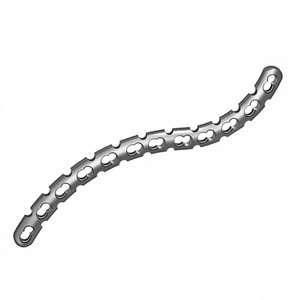
Good Price Orthopedic Trauma Implant Titanium Distal Clavicle Locking Plates OEM ODM CE ISO Certified Bone Intervention Material
60,000 m²
Modern Manufacturing Plant
450+
5-Axis CNC & Swiss Lathes
20,000
Daily Unit Capacity
70+
R&D Biomedical Engineers
Technical Whitepaper: Engineering Custom OEM Orthopedic Implants for Egypt’s Expanding Medical Sector
The healthcare infrastructure of the Arab Republic of Egypt is undergoing an unprecedented modernization drive. Driven by the expansion of the Universal Health Insurance System (UHIS / Insan project), major capital investments by the Ministry of Health and Population (MoHP), and the increasing operational scope of private hospital networks such as Alameda Healthcare and Cleopatra Hospitals Group, the demand for medical-grade orthopedic implants has surged. However, local distributors and medical device importers face complex regulatory barriers, stringent technical requirements from the Egyptian Drug Authority (EDA), and demanding tender criteria issued by the Egyptian Unified Procurement Authority (UPA / NUPCO equivalent).
As a global direct OEM/ODM manufacturer backed by an ISO 13485 certified quality management system and U.S. FDA registration, our organization provides Egyptian medical distributors with direct factory access to micro-machined, bio-compatible orthopedic hardware. By eliminating intermediary trading friction, offering low minimum order quantities (MOQs), and providing complete regulatory legalizations (including COPP, ISO 13485 certification, and legalizations via the Egyptian Embassy), we empower local suppliers to win competitive tenders and build sustainable private market share.
1. Metallurgical Excellence & 5-Axis CNC Machining Tolerances
Biomedical safety in load-bearing implants begins at the atomic level. Our orthopedic fracture plates, pedicle screws, intramedullary nails, and cranial meshes are forged strictly using medical-grade raw materials sourced from audited global suppliers:
- Titanium Alloy (Ti-6Al-4V ELI / ASTM F136 / ISO 5832-3): Offering superior strength-to-weight ratios, excellent fatigue resistance, and low elastic modulus to minimize stress shielding in long-bone internal fixation and spinal constructs.
- Unalloyed Commercially Pure Titanium (CP Grade 2 & Grade 4 / ASTM F67): Optimized for maxillofacial plates, cranial titanium mesh, and osteotomy staples where high ductility and malleability are paramount.
- Stainless Steel (316LVM / ASTM F138 / ISO 5832-1): Vacuum-melted austenitic stainless steel providing high yield strength and economic viability for high-volume trauma fixation plates and Kirschner wires.
- Polyetheretherketone (PEEK-OPTIMA / ASTM F2026): Radiolucent radiopaque-marked PEEK used extensively in anterior cervical interbody cages (ACDF) and expandable lumbar cages to allow real-time CT/MRI postoperative osseointegration assessment.
Using imported DMG Mori and Citizen 5-axis CNC machining centers integrated with CMM (Coordinate Measuring Machine) laser inspection, our tolerance limits are maintained at an ultra-precise ±0.005mm. This eliminates thread binding in locking compression plates (LCP) and ensures perfect dynamic cannulation alignment in proximal femoral nails (PFNA).
| Implant System Family | Primary Alloy / Material | Standard Compliance | Machining Tolerance | Primary Clinical Indication |
|---|---|---|---|---|
| Spinal Fixation (Pedicle Screws) | Ti-6Al-4V ELI Titanium | ISO 5832-3 / ASTM F136 | ±0.005 mm | Thoracolumbar Deformity & Trauma |
| Trauma Locking Compression Plates | Ti-6Al-4V / 316LVM Stainless | ASTM F136 / ASTM F138 | ±0.008 mm | Distal Tibia, Clavicle, Femoral Fractures |
| Interlocking Intramedullary Nails | Ti-6Al-4V ELI Titanium | ISO 5832-3 / CE Class III | ±0.005 mm | Intertrochanteric & Femoral Shaft Fractures |
| Cranioplasty Plating & Mesh | CP Titanium Grade 2 / PEEK | ASTM F67 / ASTM F2026 | ±0.010 mm | Maxillofacial & Skull Reconstruction |
2. Anatomic Engineering & Biomechanical Testing Validation
Orthopedic devices supplied to the Egyptian market must withstand high patient mass indices and demanding physical recovery conditions. Every OEM design produced in our 60,000 m² facility undergoes rigorous finite element analysis (FEA) and mechanical fatigue testing under static and dynamic loading guidelines (ASTM F1717 for spinal implants, ASTM F1264 for intramedullary nails, and ASTM F382 for metallic bone plates).
Our dedicated R&D department of over 70 biomedical engineers works continuously to refine anatomical contours. Pre-bent locking plates for the distal tibia, proximal humerus, and distal clavicle match the physiological morphology of North African patient demographics, reducing intraoperative bending time and minimizing surgeon fatigue in high-volume trauma operating theaters across Cairo, Alexandria, and Upper Egypt.
Information Gain Insight for Egyptian Importers: Matching local anatomical contours reduces intraoperative contouring by up to 35%, significantly lowering surgical time and infection risks in municipal trauma emergency rooms.
Localized Application Scenarios Across Egypt’s Regional Healthcare Hubs
Customizing orthopedic hardware and business supply models to address the distinct surgical demands of Egypt's geographically diverse medical centers.
Greater Cairo University & Public Trauma Centers
Primary Centers: Kasr Al-Ainy (Cairo University), Ain Shams University Hospitals, El Galaa Military Medical Armed Forces Complex.
Surgical Scenario: High-density emergency rooms managing severe motor vehicle traffic injuries along major expressways. Requirement for high-volume, standardized PFNA interlocking intramedullary nails, titanium cannulated compression screws, and distal tibia locking plates capable of rapid installation with standardized instrument trays.
Alexandria & Mediterranean Coastal Medical Hubs
Primary Centers: Alexandria Main University Hospital, Smouha International Hospital, Italian Hospital Alexandria.
Surgical Scenario: Mix of municipal trauma, orthopedic sports medicine reconstructive procedures (ACL/PCL reconstruction, shoulder stabilization), and pediatric deformity corrections. Demands PEEK suture anchors, cannulated compression screws, and lightweight anatomical locking plates supported by low MOQ consignment stocking for specialized surgical practices.
Upper Egypt Emergency & Regional Hospital Network
Primary Centers: Asyut University Trauma Center, Luxor General Hospital, Aswan Specialized Hospital.
Surgical Scenario: Severe agricultural machinery injuries, falling trauma, and untreated bone non-unions. Focus on cost-effective, ultra-durable 316LVM stainless steel trauma plates, external fixator rod-coupling systems, and basic orthopedic instrument sets engineered for repetitive autoclave sterilization.
Private Hospitals & Medical Tourism Hubs
Primary Centers: New Administrative Capital Medical City, Red Sea International Hospitals (Sharm El Sheikh / Hurghada).
Surgical Scenario: Premium elective spinal fusions, complex cranioplasty, and joint arthroplasty for high-net-worth local patients and international medical tourists. Requires low-profile anterior cervical plates (ACDF), 3D-printed porous spinal fusion cages, and custom patient-matched PEEK cranial mesh.
Maxillofacial & Neurosurgical Specialty Units
Primary Centers: Nasser Institute for Research & Treatment, Cairo Dental & Maxillofacial Specialized Centers.
Surgical Scenario: Complex facial trauma resulting from physical violence or road accidents requiring 1.5mm / 2.0mm self-drilling maxillofacial screws, micro titanium plates, and rigid cranial fixation systems that ensure low aesthetic displacement.
Egyptian Armed Forces & Police Medical Services
Primary Centers: Kobry El-Qobba Military Medical Academy, Armed Forces Rehabilitation Centers.
Surgical Scenario: Large-scale procurement tenders demanding long-term contract stability, rigorous batch-to-batch quality verification, complete ISO/FDA dossiers, and private OEM laser marking for institutional asset tracking.
Egyptian Healthcare Policy & Orthopedic Supply Chain Trends
Understanding macro-level policy shifts within Egypt is critical for medical equipment suppliers seeking long-term commercial success. Our OEM supply infrastructure is engineered to adapt directly to Egypt's evolving legislative and market dynamics:
1. Transition to Egyptian Drug Authority (EDA) Centralized Registration
Under Decree No. 500/2019 and subsequent regulatory frameworks established by the Egyptian Drug Authority (EDA), all medical device imports—including Class IIb and Class III orthopedic implants—must undergo stringent technical file evaluation. Importers must submit certified ISO 13485 legalizations, Certificates of Free Sale (CFS / COPP), test reports, and raw material mill certificates legalized by the Egyptian Embassy in the country of origin. Ortix Medical supplies a turnkey technical documentation binder with every product line, accelerating the EDA clearance timeframe for our local partners.
2. Expansion of the Universal Health Insurance System (UHIS / Insan)
The roll-out of the UHIS scheme across governorates such as Port Said, Luxor, Ismailia, South Sinai, and Suez is expanding medical coverage to millions of previously uninsured citizens. This expansion has dramatically increased surgical volume in public hospitals. Hospitals require reliable, cost-effective orthopedic implants with low risk of hardware failure. Our low-MOQ, high-capacity production line (producing over 20,000 units daily) ensures Egyptian suppliers can maintain constant buffer stock without straining working capital.
3. UPA Tenders & Demand for Unified Quality Assurance
The Egyptian Unified Procurement Authority (UPA) now centralizes major public sector medical purchases. To win UPA contracts, distributors must present products that combine competitive pricing with uncompromised quality metrics. By partnering directly with our OEM manufacturing facility, Egyptian suppliers bypass international trading houses, unlocking competitive pricing margins that provide a decisive advantage in UPA tender evaluations.
4. Shift Towards Minimally Invasive Spine (MIS) and Anatomic Trauma Fixation
Leading Egyptian orthopedic surgeons are increasingly prioritizing minimally invasive surgical techniques to minimize patient hospital stays and post-operative complications. Demand is shifting rapidly toward cannulated headless compression screws, percutaneous pedicle screw systems, self-drilling maxillofacial screws, and anatomical pre-contoured locking plates. Our R&D team works closely with clinical advisors to continuously update product geometry to meet modern surgical trends.
Why Partner with Ortix Medical: Global Manufacturing Infrastructure
Empowering Egyptian medical distributors with direct direct-factory capabilities, uncompromised quality systems, and customized OEM solutions.
60,000 m² Manufacturing Facility
Our massive, state-of-the-art production complex houses cleanrooms, chemical etching lines, anodizing units, and automated packaging facilities designed specifically for sterile and non-sterile orthopedic device production.
ISO 13485 & FDA Registered Quality
Every lot manufactured in our factory undergoes rigorous quality control under ISO 13485 standard operating procedures. Full raw material heat traceability is guaranteed from initial ingot forging to final sterile blister seal.
One-Stop OEM & ODM Customization
From custom fiber laser marking of distributor logos and catalogue reference codes to customized surgical instrument tray layout and custom box packaging, we offer complete private-label branding services.
Low MOQ & Mixed-SKU Consignments
We solve working capital constraints for Egyptian importers by supporting low minimum order quantities and mixed-SKU shipments. Combine plates, screws, intramedullary nails, and spinal cages into a single cargo delivery.
Complete Surgical Tool Trays Included
Every implant system family is matched with ergonomic, surgical-grade stainless steel and aluminum instrument sets, including quick-coupling drivers, depth gauges, drill bits, and tissue protectors.
Fast, Reliable Global Logistics
With an annual output of millions of units, standard catalog items ship rapidly. Our export logistics team handles air and sea freight documentation, origin legalization, and customs packing for seamless delivery to Cairo or Alexandria ports.
Frequently Asked Questions for Egyptian Medical Importers
Comprehensive regulatory, technical, and commercial answers for procurement managers and medical device distributors operating in Egypt.
How does Ortix Medical assist Egyptian importers with EDA (Egyptian Drug Authority) registration?
We provide a comprehensive technical documentation dossier required by the EDA under Decree No. 500/2019. This includes ISO 13485 certificates legalized by the Egyptian Embassy, Certificates of Free Sale (CFS/COPP), raw material mill certificates (ASTM F136/F138), mechanical test reports (ASTM F1717/F382), biological evaluation reports (ISO 10993), device labeling artwork, and Instructions for Use (IFU) ready for translation into Arabic.
Can you manufacture custom OEM orthopedic implants with localized private labeling for the Egyptian market?
Yes. Our in-house engineering and packaging teams provide full OEM and ODM private label customization. We can fiber-laser etch your company name, proprietary logo, LOT numbers, and specific catalog codes directly onto titanium locking plates, screws, and instrument boxes. Furthermore, we assist in designing inner blister packs and outer boxes in compliance with Egyptian trade labeling mandates.
What payment terms and financial arrangements do you accept for Egyptian buyers?
We accommodate standard international trade financing mechanisms commonly required by Egyptian commercial banks. This includes Irrevocable Letters of Credit (L/C at sight), Telegraphic Transfer (T/T), and CAD (Cash Against Documents) arrangements, ensuring full financial security and compliance with Central Bank of Egypt import regulation frameworks.
What is the typical lead time for custom OEM orders bound for Alexandria or Cairo?
For standard catalog inventory items, orders ship within 7 to 14 working days. Custom OEM/ODM manufacturing projects—such as custom anatomical locking plate sets or specialized instrument trays—typically follow a 30 to 45-day production timeline, depending on complexity and batch size. Air freight to Cairo International Airport (CAI) takes 3 to 5 days, while sea freight to Alexandria or Said Port takes approximately 20 to 25 days.
Are instrument sets supplied together with the orthopedic implants?
Yes. We provide complete, system-matched surgical instrument sets for all implant categories (spine, trauma, PFNA intramedullary nails, cannulated screws, and maxillofacial systems). Instrument trays are crafted from anodized aluminum and surgical stainless steel, engineered for high durability under repeated steam autoclave sterilization in Egyptian hospital CSSD departments.
How can Egyptian distributors evaluate implant quality before placing bulk orders?
We offer an evaluation sample program for qualified medical device distributors and hospital procurement units in Egypt. Interested buyers can request non-sterile evaluation samples to inspect surface finishing, thread precision, anodization quality, and instrument driver fit prior to signing commercial contracts.
What raw materials are used in your orthopedic fracture plates and spinal screws?
We utilize certified medical-grade Titanium Ti-6Al-4V ELI (ASTM F136 / ISO 5832-3), Commercially Pure Titanium (CP Grade 2/4, ASTM F67), 316LVM Stainless Steel (ASTM F138), and PEEK-OPTIMA (ASTM F2026). Material certs detailing chemical composition and tensile strength are included with every shipping batch.
Expand Your Orthopedic Market Share in Egypt Today
Partner directly with a certified global manufacturer. Access low MOQs, factory-direct pricing, complete EDA regulatory support, and premium OEM/ODM custom orthopedic implant production.