Precision-Engineered Orthopedic Implants & Surgical Systems
Explore our core product lines manufactured under ISO 13485 quality systems, rigorously tested for cytotoxicity, hemocompatibility, and mechanical fatigue endurance.
Biocompatibility Testing Standards & Metallurgical Integrity for Kenya Procurement
The global demand for high-performance surgical implants requires absolute scientific rigor in material evaluation. For medical device distributors, public hospital procurement boards, and private healthcare syndicates operating in Kenya, understanding the biochemical and mechanical behavior of permanent and semi-permanent implants is essential. Ortix Medical Devices Co., Ltd. operates state-of-the-art manufacturing infrastructure compliant with ISO 13485 standards, delivering contract OEM/ODM solutions backed by exhaustive ISO 10993 biocompatibility portfolios.
1. The ISO 10993 Biological Evaluation Framework
Implants destined for human bone trauma repair, spinal reconstruction, and craniomaxillofacial (CMF) stabilization remain in direct contact with biological tissue and systemic circulation for prolonged periods. To prevent localized osteolysis, systemic toxicity, immune activation, or implant degradation, Ortix Medical subjects all medical-grade raw materials and finished implants to the complete ISO 10993 biological assessment matrix:
- ISO 10993-5 (In Vitro Cytotoxicity): Evaluated via L929 mouse fibroblast cell line assays (MTT and Agar Overlay tests). Implants must demonstrate zero inhibition of cell proliferation or metabolic distress (Grade 0 reaction under qualitative cell viability indexing).
- ISO 10993-10 (Skin Sensitization & Irritation): Verified through Murine Local Lymph Node Assays (LLNA) and Guinea Pig Maximization Tests (GPMT) to ensure zero delayed-type hypersensitivity upon tissue contact.
- ISO 10993-11 (Systemic Toxicity): Acute, sub-acute, and chronic systemic toxicity protocols proving zero hepatic, renal, or splenic biochemical alterations post-extract administration.
- ISO 10993-3 (Genotoxicity & Carcinogenicity): Bacterial reverse mutation (Ames test) and chromosomal aberration assays confirming zero cellular mutagenicity from metallic ion leaching.
- ISO 10993-6 (Implantation Effects): Histopathological evaluation of peri-implant muscle and bone tissue at 4, 12, and 26 weeks, verifying healthy fibrous encapsulation and direct osteointegration without fibrous necrosis.
- ISO 10993-18 (Chemical Characterization): Inductively Coupled Plasma Mass Spectrometry (ICP-MS) and Gas Chromatography-Mass Spectrometry (GC-MS) analysis quantifying extractables and leachables under aggressive thermal and solvent stress.
Information Gain Note for Kenya Regulatory Filings: The Pharmacy and Poisons Board (PPB) of Kenya enforces mandatory verification of ISO 10993 test protocols alongside CE MDR or US FDA 510(k) equivalency. Partnering with Ortix Medical provides Kenyan importers with turnkey technical dossiers, reducing registration approval timelines by up to 60%.
2. Advanced Metallurgy: ASTM F136 Ti-6Al-4V ELI vs. 316L Stainless Steel
Biocompatibility is directly linked to the chemical composition and surface passivation layer of the base metal. Ortix Medical utilizes premium-grade raw materials sourced from certified aerospace and medical melt sources:
| Material Standard | Chemical Composition Key Elements | Biocompatibility Profile | Mechanical Strength & Fatigue Limit | Primary Clinical Application in Kenya |
|---|---|---|---|---|
| ASTM F136 (Ti-6Al-4V ELI) | Ti (Bal), Al (5.5-6.5%), V (3.5-4.5%), O (<0.13%) Extra Low Interstitial | Superior passive TiO₂ oxide film; zero cytotoxicity; low elastic modulus matching natural bone. | Yield Strength > 860 MPa; Fatigue Limit > 510 MPa |
Spinal Pedicle Screws, Distal Tibia Locking Plates, CMF Reconstruction. |
| ASTM F138 (316L Stainless Steel) | Fe (Bal), Cr (17-19%), Ni (13-15%), Mo (2.25-3.0%), Low Carbon | High corrosion resistance via Cr₂O₃ passive film; proven clinical track record in temporary fixation. | Yield Strength > 690 MPa; High ductility & work hardening |
Trauma Cannulated Screws, Intramedullary Nails, External Fixation Rods. |
| ASTM F2026 (PEEK Polymer) | Polyether Ether Ketone (100% Radiolucent Biomaterial) | Inert polymer; zero magnetic susceptibility; elastic modulus (3.6 GPa) closely matching cortical bone. | Tensile Strength > 95 MPa; Flexural Strength > 165 MPa |
Cervical Interbody Fusion Cages, Lumbar Expansion Cages, Cranial Repair. |
3. Surface Passivation & Anodization Kinetics
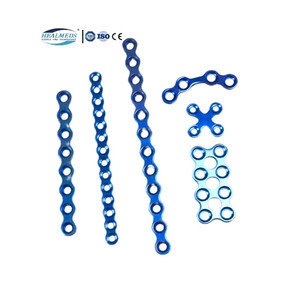
The formation of an insoluble, self-healing oxide film is critical for preventing metallic ion exchange in vivo. Ortix Medical employs automated Type II (electrochemical color anodization) and Type III (hard anodization) surface treatments. Electrochemical anodization increases the titanium dioxide (TiO₂) layer thickness from a natural 5 nm to over 200 nm, dramatically decreasing passive corrosion currents to below 0.01 µA/cm² in simulated body fluids (SBF). Furthermore, surface roughness (Ra) is controlled between 0.4 µm and 0.8 µm to encourage osteoblast attachment while eliminating bacterial adhesion niches.
Localized Application Scenarios across Kenya's Healthcare Infrastructure
Healthcare delivery in Kenya spans specialized urban tertiary hospitals, regional county referral facilities, and mobile military or humanitarian trauma centers. Ortix Medical tailors its OEM/ODM implant systems to thrive in diverse local operating conditions:
High-Energy RTA Trauma Fixation in Urban Centers
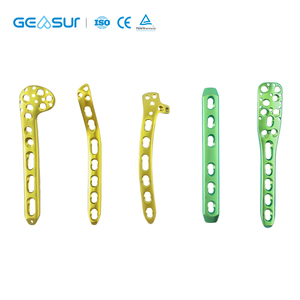
Nairobi, Mombasa, and Eldoret experience high incidence of complex limb trauma resulting from road traffic accidents (pedestrian and motorcycle injuries). Implants such as our Distal Lateral Humeral Locking Plates and Proximal Femoral Nails provide high mechanical stability, enabling early patient mobilization in busy public hospitals like Kenyatta National Hospital (KNH).
County Referral Hospital (Level 4 & 5) Tender Fulfillment
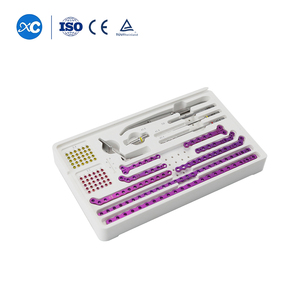
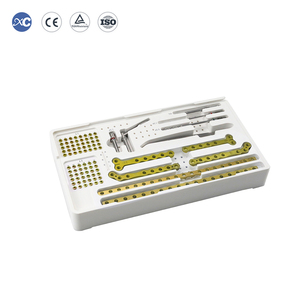
Regional county hospitals require standardized, multi-use orthopedic sets with universal driver interfaces and color-coded screw trays. Ortix Medical supplies complete trauma kits packaged in heavy-duty anodized aluminum sterilization containers designed to withstand repeated steam autoclave cycles (134°C) without physical degradation.
Tropical Climate & High Humidity Supply Chain Resilience
Coastal regions (Mombasa, Malindi, Kilifi) present challenging high-salt, high-humidity ambient storage conditions. Ortix Medical utilizes double-barrier Tyvek® peel pouches with moisture-absorbent desiccant matrix, ensuring 5-year sterile shelf life integrity even under non-climate-controlled warehouse conditions (Zone IVb stability verified).
Private Healthcare & Elective Spine/CMF Procedures
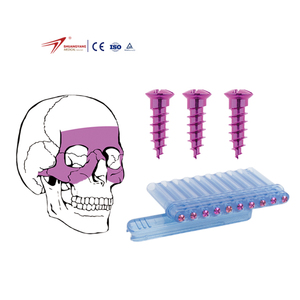
Leading private facilities (e.g., Aga Khan University Hospital, MP Shah Hospital) demand low-profile, aesthetically discrete CMF mini-plates and radiolucent PEEK lumbar cages. Our high-precision 0.5 mm pitch self-drilling maxillofacial screws allow precise intraoperative tactile feedback during delicate craniofacial reconstruction.
Kenya & East Africa Medical Device Industry Trends (2025–2030)
The medical device ecosystem across Kenya and the wider East African Community (EAC) is experiencing structural modernization driven by government policy, expanding health insurance (Social Health Authority - SHA), and increasing private hospital investment.
Key Drivers Shaping Orthopedic Procurement in Kenya:
- Harmonization of EAC Regulatory Frameworks: The Pharmacy and Poisons Board (PPB) of Kenya is actively leading regional alignment of medical device classification, Good Manufacturing Practice (GMP) audits, and post-market surveillance. Importers now prioritize factories with comprehensive ISO 13485 certification, FDA registration, and pre-packaged technical dossiers.
- Growth of Private-Label Medical Brands in Nairobi: Established Kenyan medical distributors are increasingly transitioning from pure agency models to owning local brands. Ortix Medical’s OEM/ODM private-label service—offering custom laser marking of distributor logos, localized IFU printing, and customized box artwork—enables partners to build defensible brand equity.
- Demand for Mixed-SKU Low MOQ Shipments: Managing working capital is critical for growing East African distributors. Rather than enforcing container-load minimums per single SKU, Ortix Medical allows distributors to combine trauma locking plates, pedicle screw systems, intramedullary nails, and power tool handpieces in a single consolidated shipment.
- Emphasis on Comprehensive Surgical Training Kits: Surgeons require intuitive, ergonomic instrument sets to minimize intraoperative time. Ortix Medical supplies duplicate bone model trial sets and modular instrument trays alongside implant shipments, facilitating surgeon workshops and hospital trial demonstrations across Kenyan medical schools.
Manufacturer Capabilities: Why Global Importers Choose Ortix Medical
Ortix Medical Devices Co., Ltd. operates as a fully integrated research, testing, and manufacturing hub dedicated to serving high-growth international markets. Our facility bridges high-capacity automated production with stringent European and American bio-testing protocols.
End-to-End Quality Assurance Pipeline
Every implant shipped to Kenya undergoes a 5-tier quality control sequence:
- Material Certification: Spectrographic melt analysis verifying chemical composition against ASTM F136 / ASTM F138 standards before machining begins.
- Precision Machining: Swiss-type 9-axis CNC lathes achieving tolerances within ±0.005 mm for complex thread geometries and locking plate interfaces.
- Automated Ultrasonic Cleaning: Multi-stage solvent and deionized water wash eliminating residual machining oils and particulates down to 0.1 microns.
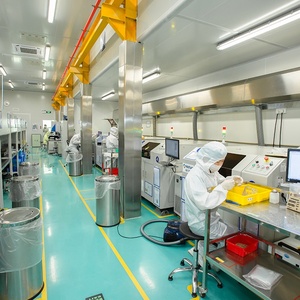
- Cleanroom Packaging: Sealed in ISO Class 7/8 cleanrooms under laminar airflow hoods to guarantee endotoxin levels remain below 0.25 EU/mL.
- Batch Traceability: Laser engraving of unique device identifier (UDI) matrix codes on every plate, screw, and tool for total lifecycle tracking.
Frequently Asked Questions (FAQ) for Kenyan Importers & Distributors
How does Ortix Medical ensure ISO 10993 compliance for orthopedic implants exported to Kenya?
What regulatory documentation is provided to support Pharmacy and Poisons Board (PPB) Kenya registration?
Why is titanium alloy Ti-6Al-4V ELI (ASTM F136) superior for orthopedic implants in tropical climates?
Can Kenyan distributors request custom branding, laser marking, and localized packaging under OEM/ODM agreements?
What is the batch-to-batch traceability process for trauma plates and pedicle screws?
How do you prevent corrosion during sea transport and storage in humid environments like Mombasa Port?
What are the minimum order quantities (MOQs) for mixed-SKU trauma sets sent to Kenya?
Are surgical instrument sets included or compatible with standard orthopedic power tools used in Kenyan operating theaters?
How are endotoxin levels and bioburden monitored prior to final packaging?
What is the typical lead time from contract signing to air freight delivery at Jomo Kenyatta International Airport (JKIA)?
Partner with a Certified OEM/ODM Implants Factory for Kenya
Request technical dossiers, ISO 10993 biocompatibility summary reports, sample evaluation kits, or private label quotations. Our dedicated export engineering team responds within 12 hours.
Get a Quote