1. Strategic Overview: Navigating the Hungarian Orthopedic & Surgical Instrument Market
Hungary's healthcare infrastructure is undergoing a significant transformation driven by modern surgical protocols, demographic trends, and stringent European Union regulatory frameworks. As a central medical hub in Central Eastern Europe (CEE), Hungary presents specialized demands for orthopedic trauma implants, spinal instrumentation, joint reconstruction, and maxillofacial systems. Surgical teams in major clinical centers—such as Semmelweis University Clinics in Budapest, the University of Debrecen Clinical Center, and regional county hospitals—demand surgical tools and implantable devices that deliver uncompromising mechanical stability, bio-compatibility, and operational ergonomics.
For healthcare procurement organizations, public hospital networks backed by NEAK (Nemzeti Egészségbiztosítási Alapkezelő), and medical device importers, securing high-precision OEM/ODM partners is paramount. Our enterprise operates as a dedicated original equipment manufacturer and custom contract designer, offering complete end-to-end solutions tailored precisely to the technical, clinical, and regulatory standards required across Hungary.
2. High-Precision Engineering & Hungarian Clinical Application Scenarios
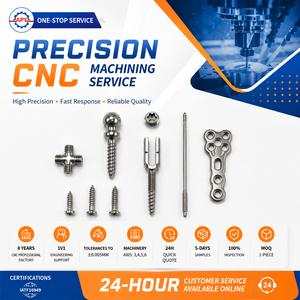
Orthopedic surgeries demand implants and instruments engineered with zero margin for error. Our manufacturing ecosystem integrates high-tier grade 5 titanium alloy (Ti-6Al-4V ELI conforming to ASTM F136 / ISO 5832-3), implantable PEEK OPTIMA, and medical-grade 316LVM stainless steel. Below is a detailed technical analysis of our core product architectures and their clinical implementation across Hungarian surgical departments.
Trauma & Fracture Fixation Systems
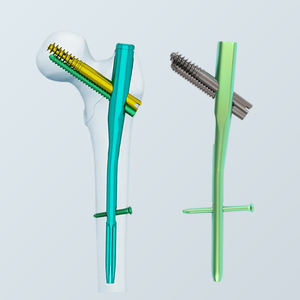
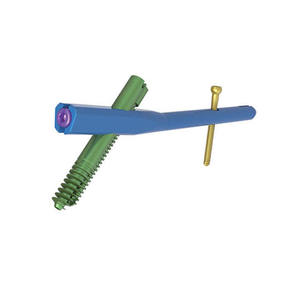
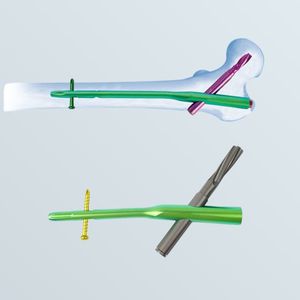
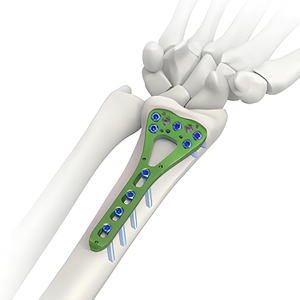
Designed for high-energy trauma centers handling emergency road accidents and complex fractures. Includes PFNA Interlocking Intramedullary Nails, Intertan Trochanteric Nails, and Anatomical Multi-axial Locking Bone Plates. Manufactured with low-profile plate geometry to reduce soft tissue irritation during Minimally Invasive Plate Osteosynthesis (MIPO).
Spine Arthrodesis & Stabilization
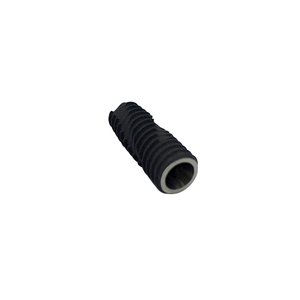
Comprehensive thoracolumbar pedicle screw platforms (5.5mm / 6.0mm rod constructs), cervical anterior plates, and 3D-printed porous titanium fusion cages. Engineed for precise alignment and rapid bone ingrowth in spinal deformity correction, degenerative disc disease, and osteoporotic vertebral compression fractures.
Veterinary Orthopedics (VET Series)
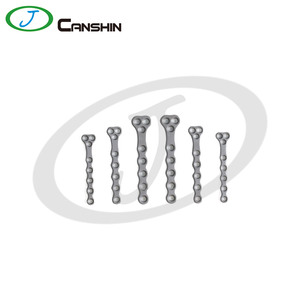
Dedicated pure titanium T-shape reconstruction plates, micro-locking plates, and specialized power tool interface kits catering to veterinary surgical hospitals across Budapest, Győr, and Szeged. Provides customized fatigue-tested implants for small animal trauma and canine cruciate ligament (TPLO) repair.
Technical Specification Matrix
| Product Category | Raw Material Standard | Machining Tolerance | Surface Treatment | Hungarian Regulatory Track |
|---|---|---|---|---|
| Intramedullary Nails (PFNA/Intertan) | Ti-6Al-4V ELI (ASTM F136) | ± 0.005 mm | Anodization Type II / Micro-arc | EU MDR Class III / CE 2797 |
| Multi-axial Locking Plates | Pure Titanium (ISO 5832-2) / 316L | ± 0.008 mm | Electropolishing / Hard Anodizing | EU MDR Class IIb / OGYÉI Registered |
| Thoracolumbar Pedicle Screws | Titanium Alloy Grade 5 | ± 0.003 mm | Color Coding Anodization | EU MDR Class III / EUDAMED Listed |
| Surgical Instruments & Trays | 17-4PH / X20Cr13 Stainless Steel | ± 0.010 mm | Passivation / DLC Coating | EU MDR Class I Reusable Surgical |
3. Localization Trends & Market Development in Hungary (2025–2030)
Understanding the procurement landscape in Hungary involves evaluating both public tender mechanics and private surgical market growth. The Hungarian national health system prioritizes long-term cost containment without sacrificing clinical efficacy. Consequently, hospital purchasing departments demand OEM/ODM surgical instrument kits that are fully compatible with existing European tray standardization while offering competitive cost structures.
Expansion of Day Surgery (Egynapos Sebészet)
Hungarian health policies strongly incentivize outpatient orthopedic procedures, arthroscopic joint repairs, and sports medicine interventions. This structural shift requires specialized, lightweight, ergonomic instrument trays (shaver blades, suture anchors, PEEK interference screws) that facilitate rapid operative turnover and straightforward steam autoclaving cycles.
Direct UDI & Traceability Integration
In accordance with EU MDR provisions active across Hungarian medical facilities, every implant and reusable instrument set must carry laser-engraved Unique Device Identification (UDI) barcodes. Our production lines feature high-precision fiber laser etching systems capable of executing DataMatrix codes compliant with GS1 standards for seamless electronic inventory tracking.
4. Enterprise Advantages: Why Hungarian Importers Partner With Us
As a direct original manufacturer, our infrastructure is built to support medical device brand owners, stocking distributors, and OEM buyers seeking customized orthopedic instruments and implants. We eliminate intermediary markups, deliver transparent engineering documentation, and provide flexible ordering terms to assist local distributors in maintaining balanced inventory levels.
Full OEM/ODM Customization
Complete private labeling support: customized laser marking, bespoke instrument tray geometry, custom handle color anodization, and translated Instructions for Use (IFU) in Hungarian to streamline local hospital deployment.
Rigorous QMS & Compliance
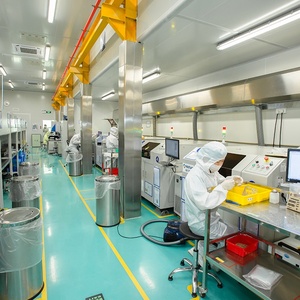
Operating under ISO 13485:2016 certified QMS and FDA registration. Full mechanical batch testing (axial pull-out, dynamic fatigue, torsion) accompanied by raw material certificates (CoA) for every shipment.
Low MOQ & Agile Logistics
Flexible batch sizes allow mixed-SKU shipments (combining plates, screws, intramedullary nails, and instrument sets) to optimize logistics to Budapest logistics nodes via air and express freight.
5. Frequently Asked Questions by Hungarian Orthopedic Buyers & Importers
All our orthopedic implants and surgical instruments are manufactured in strict compliance with ISO 13485:2016 quality systems. We maintain comprehensive technical documentation, clinical evaluation reports (CER), risk analysis according to ISO 14971, and bio-compatibility testing according to ISO 10993. For Hungarian medical device distributors and importers, we provide complete audit-ready technical dossiers to support notification and registration with the Hungarian National Institute of Pharmacy and Nutrition (OGYÉI) and entry into the EUDAMED database.
Standard catalog items (such as standard PFNA nails, trauma locking plates, and pedicle screws) ship within 10 to 15 business days. For customized OEM/ODM projects involving custom tool geometry, private label laser etching, and custom packaging designs, typical production lead times range between 3 to 5 weeks. Express air cargo delivery to Budapest Ferenc Liszt International Airport (BUD) generally takes 3 to 5 days, enabling rapid inventory turnaround.
Yes. We provide qualified orthopedic distributors and hospital procurement committees in Hungary with non-sterile evaluation samples and demo instrument sets. This allows surgical department heads and biomedical engineers to inspect surface finishes, thread tolerances, driver engagement, and tray ergonomics prior to placing bulk contract orders.
Absolutely. Our in-house graphic design and regulatory compliance teams work directly with your team to produce custom sterile barrier packaging, customized outer boxes, color-coded anodized aluminum trays, and professionally translated Hungarian Instructions for Use (Használati útmutató) complete with your brand identity and local distributor details.
We source medical-grade raw titanium alloys exclusively from certified mills. Implants are manufactured from Ti-6Al-4V ELI (Grade 23, ASTM F136 / ISO 5832-3) and Commercial Pure Titanium (CP Ti Grade 2 & 4). Reusable surgical instruments are crafted from high-grade stainless steels such as 17-4PH, 420, and 316L, ensuring superior corrosion resistance and longevity through repeated steam sterilization autoclaving cycles.
Partner with a Certified Orthopedic OEM/ODM Leader
Empower your hospital tenders and surgical distribution business in Hungary with high-precision titanium implants, trauma locking systems, and custom surgical instrument sets.