Navigating TGA Conformance & Orthopedic Implant Procurement in Victoria
The healthcare sector in Melbourne and the broader state of Victoria operates under one of the world's most rigorous medical device regulatory frameworks. Overseen by the Therapeutic Goods Administration (TGA), Australian healthcare providers, public hospital networks (such as Melbourne Health, Alfred Health, and Monash Health), and private hospital operators require absolute compliance with the Australian Essential Principles. For orthopedic distributors and medical device importers, sourcing high-grade surgical implants requires far more than just raw material compliance—it demands a seamless technical bridge between overseas manufacturing plants and local Australian Sponsor regulatory submissions.
As an established ISO 13485:2016 certified manufacturing enterprise and specialized OEM/ODM exporter, our facility provides comprehensive TGA registration support for orthopedic implants serving Melbourne. We supply complete Technical Dossiers (STED/MDR format), lot-traceable raw material certification (ASTM F136 Ti-6Al-4V ELI, ISO 5832-3, and ASTM F138 316L Stainless Steel), biomechanical fatigue test data, biocompatibility reports (ISO 10993 series), and validated sterile barrier packaging documentation. This whitepaper details our product catalog, localized Victorian surgical application scenarios, TGA compliance pathways, and advanced manufacturing capabilities designed to give Melbourne importers a decisive competitive advantage.
Precision-Engineered Orthopedic Systems & Implants
Explore our export-ready product series backed by complete surgical instrument sets, low MOQ flexibility, and full registration technical files.
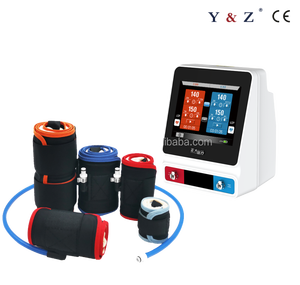
Y&Z YTQ-G CE Approved Surgical Orthopedic Electric Pneumatic Tourniquet System Class II
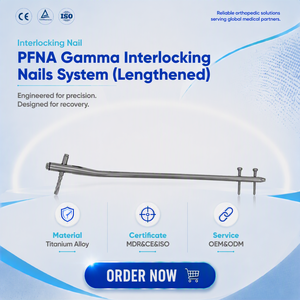
Medical Intramedullary PFNA Interlocking Nails Lengthened Orthopedic Titanium Alloy Implants
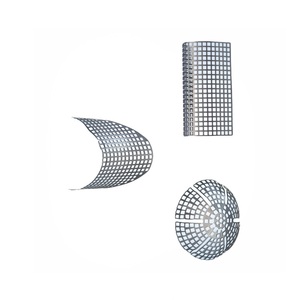
Competitive Price Titanium Alloy Material MESH Orthopedic Implants for Hospital
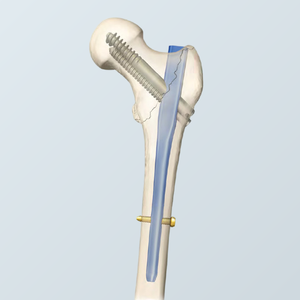
Wholesale Interlocking Intramedullary Intertan Nail Titanium Proximal Femur Trauma Implant
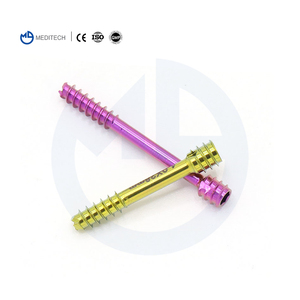
4.5mm Cortical Screw - CE & ISO13485 Certified Orthopedic Trauma Implant Fixation
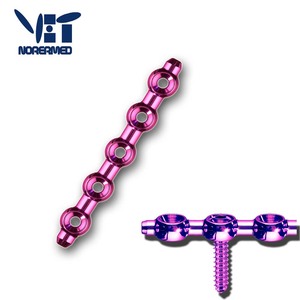
Veterinary Orthopedic Stainless Steel Locking SOP Plate Implant for Cats & Dogs
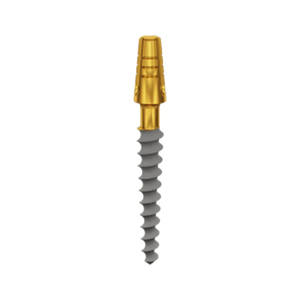
Sterile Packaged Titanium Alloy Dental Implant for Tissue Level Use
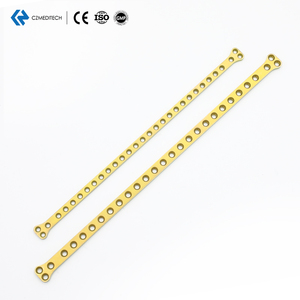
Factory Supply Veterinary Bone Straight Reconstruction Plates Surgical Trauma Implants
Localized Application Scenarios Across Melbourne Healthcare Infrastructure
Aligning advanced orthopedic implant engineering with the clinical needs of Victoria's primary trauma hubs, elective surgery networks, and specialist clinics.
Level-1 Trauma Fixation in Melbourne Metropolitan Hospitals
Major Victorian public trauma centers, including The Royal Melbourne Hospital and The Alfred, demand immediate availability of standardized, high-fatigue trauma implants. High-energy motor vehicle collisions on Victorian highways and work-site accidents frequently present with complex peri-articular fractures. Our titanium intramedullary nails (PFNA and Intertan series) and distal tibia locking plates deliver verified biomechanical strength. Supported by ergonomic surgical instrument trays with color-coded drill bits and depth gauges, surgeons can execute rapid fixation under fluoroscopic guidance with minimal intraoperative delay.
Elective Spine & Fusion Procedures in Victorian Private Networks
In private hospital groups such as Ramsay Health Care, Epworth HealthCare, and Cabrini Hospital, elective spinal procedures (including Anterior Cervical Discectomy and Fusion - ACDF, and Posterior Lumbar Interbody Fusion - PLIF) require implants that offer exceptional radiolucency and osseointegration. Our PEEK and titanium spinal fusion cages, combined with low-profile cervical plating systems, provide Victorian spine surgeons with micro-motion stability, low profile constructs that reduce post-operative dysphagia, and seamless compatibility with modern intraoperative O-arm imaging.
Specialist Veterinary Orthopedic Reconstruction in Victoria
Victoria boasts a thriving veterinary surgical market, led by institutions like the U-Vet Werribee Animal Hospital and regional specialist clinics. Veterinary orthopedists regularly address canine cranial cruciate ligament (CCL) ruptures and complex fractures using SOP (String-of-Pearls) locking plates and reconstruction systems. Our veterinary implant line utilizes implant-grade 316L stainless steel, manufactured to withstand the dynamic forces exerted by large canine breeds while allowing pre-contouring flexibility for avian and feline fracture management.
Tissue-Level Dental & Cranio-Maxillofacial (CMF) Surgery
In specialized Melbourne dental clinics and facial trauma units, tissue-level dental implants and ultra-low-profile CMF titanium plates are essential for facial reconstruction and restorative dentistry. Featuring SLA surface sandblasting and acid-etching technology, our titanium implants promote rapid bone-to-implant contact (BIC), reducing integration time to under 6 weeks and supporting early loading protocols.
Strategic Market Trends Shaping Orthopedic Sourcing in Victoria
Market intelligence for Australian medical device importers navigating regulatory shifts, technological transitions, and supply chain dynamics.
1. TGA Harmonization with EU MDR (2017/745)
The TGA has progressively aligned its regulatory framework with the European Union Medical Device Regulation (EU MDR). For Victorian importers, this means traditional CE certificates under MDD 93/42/EEC are expiring or requiring enhanced clinical evaluation reports (CER). Overseas manufacturers who cannot supply STED-compliant technical files and raw material traceability put their local Australian Sponsors at risk. Our export team provides pre-audited MDR-equivalent documentation packages, ensuring uninterrupted ARTG listings for Melbourne distributors.
2. Surge in Porous Titanium & 3D Printed Cages
Surgeons across Melbourne are increasingly shifting from smooth PEEK implants toward 3D printed porous titanium structures that mimic human trabecular bone architecture. By offering dual-material spinal cage lines (3D Printed Ti-6Al-4V mesh and PEEK with integrated titanium endplates), we empower Victorian suppliers to cater to both traditional surgeons and early adopters of additive manufactured implants.
3. Demand for Mixed-SKU & Low MOQ Consignments
Holding excessive inventory of specialized trauma plates or rare screw sizes places severe financial strain on medium-sized Melbourne medical device distributors. The trend is shifting toward "Just-In-Time" replenishment and mixed-SKU ordering models. Our factory supports tailored batch production, enabling Australian partners to blend trauma plates, spinal screws, cages, and surgical instruments into a single localized container shipment.
Turnkey TGA ARTG Technical Dossier Support Architecture
To successfully register Class IIa, Class IIb, and Class III medical devices on the Australian Register of Therapeutic Goods (ARTG), Australian Sponsors must hold comprehensive Technical Dossiers demonstrating compliance with the TGA Essential Principles. Our dedicated international regulatory affairs team provides Melbourne partners with a complete, audit-ready regulatory submission dossier:
Full scope ISO 13485 certification covering the design, manufacturing, and distribution of spinal, trauma, joint, and CMF surgical implants and matched instrument sets. Audited annually by accredited Notified Bodies.
Complete mill test certificates for ASTM F136 / ISO 5832-3 Titanium Alloy and ASTM F138 Stainless Steel. ISO 10993 testing reports covering cytotoxicity, systemic toxicity, sensitization, and sub-chronic toxicity.
Static and dynamic mechanical test reports performed in certified laboratories, including ASTM F543 (axial pull-out strength of medical bone screws), ASTM F382 (metallic bone plate bending fatigue), and ASTM F2077 (spinal interbody fusion constructs).
Validation data for Tyvek blister pouch sealing, double-barrier protection, accelerated aging tests establishing 5-year shelf life, and EO/Gamma sterilization validation per ISO 11135 / ISO 11137 standards.
Enterprise Manufacturing Infrastructure & OEM/ODM Superiority
Referencing our original 60,000 m² state-of-the-art facility, multi-axis machining precision, and strict lot traceability.
Advanced Machining & Scale
Spanning a massive 60,000 square meter manufacturing plant equipped with over 450 high-precision CNC multi-axis machines, Japanese Citizen Swiss-type lathes, and DMG MORI 5-axis machining centers, our factory maintains a robust daily output of approximately 20,000 implant units. This massive industrial scale guarantees reliable lead times, protecting Melbourne distributors from hospital tender stock-outs.
- High-speed micro-milling for intricate spinal plate geometry
- Robotic surface finishing and automated ultrasonic washing lines
- ISO Class 7 cleanrooms for sterile packing and pouch sealing
In-House R&D & OEM Customization
Backed by an experienced team of 70+ R&D and mechanical engineers, we offer end-to-end OEM and ODM programs for Australian medical device brands. Whether you require custom laser marking (UGI/GS1 DataMatrix barcodes), tailored packaging design, modified screw pitch dimensions, or custom surgical instrument tray configurations, our R&D hub turns CAD concepts into physical prototypes within weeks.
- Custom surgical instrument kit design & CNC foam tray layout
- Private label branding on implant surfaces and sterile outer packaging
- Complete GMDN & UDI tracking code alignment
Frequently Asked Questions by Melbourne Importers & Procurement Teams
Addressing common queries regarding TGA registration support, ISO certifications, ordering protocols, and Australian delivery logistics.
How does your factory support Australian Sponsors with TGA ARTG registration in Melbourne?
We supply a turnkey TGA Technical File package directly to your designated Australian Sponsor or regulatory consultant. This includes ISO 13485 certificates, STED-formatted device descriptions, Essential Principles Checklist (EP Checklist), ASTM/ISO mechanical test reports, biocompatibility data (ISO 10993), raw material mill certificates, and risk management dossiers per ISO 14971.
What is your minimum order quantity (MOQ) for shipping to Victoria, Australia?
We understand the cash flow dynamics of Victorian medical device distributors. We offer flexible low MOQ requirements for standard catalog items and support mixed-SKU orders. Importers can consolidate trauma plates, intramedullary nails, pedicle screws, and instrument kits into a single shipment to optimize freight and customs clearance costs.
Can you provide private label OEM manufacturing for Australian orthopedic brands?
Yes. Our in-house engineering team provides complete OEM/ODM solutions, including specialized laser etching of logo/lot numbers, custom anodization colors for size identification, custom packaging design, and localized Instructions for Use (IFU) printing aligned with TGA labeling requirements.
How do you guarantee lot-to-lot consistency and mechanical reliability?
Every single batch of raw material (Ti-6Al-4V ELI or 316L Stainless Steel) undergoes spectrographic composition verification and tensile strength testing prior to machining. During production, automated CMM (Coordinate Measuring Machines) inspect dimensions at every step. Final products undergo 100% optical inspection before entering ISO Class 7 cleanrooms.
What is the typical production and shipping lead time to Melbourne, Australia?
For standard catalog items maintained in inventory, dispatch takes 3 to 7 business days. For bulk OEM orders or custom batch manufacturing, standard lead times range from 3 to 5 weeks. Air freight directly to Melbourne Airport (MEL) takes approximately 3 to 5 days, while sea freight to the Port of Melbourne takes around 14 to 18 days.
Can qualified Australian distributors request evaluation samples before placing bulk orders?
Yes. Qualified medical device distributors, hospital procurement teams, and veterinary surgical centers across Melbourne can request evaluation samples. This allows your clinical consultants and orthopedists to evaluate surface finish, thread engagement, tool tolerance, and instrument ergonomics prior to commercial contract signing.
Partner with a Trusted Orthopedic Implant Exporter Today
Accelerate your TGA ARTG entry in Australia, lower your sourcing costs, and deliver uncompromising Swiss-grade orthopedic quality to Melbourne hospitals and surgical centers.