Standardized & Patient-Matched Orthopedic Systems
Engineered for high-volume trauma centers and specialized surgical clinics in Almaty, Astana, Shymkent, and regional oblasts.
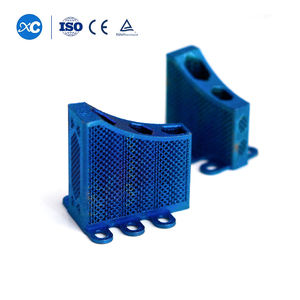
High Quality 3D Printed Tta Implant Titanium Customized 3D Printed Orthopedic Implants for Veterinary Surgery
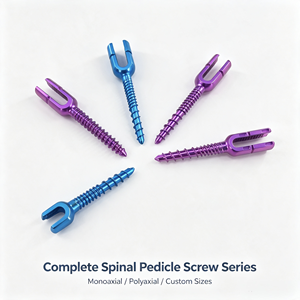
Custom OEM ODM Medical Grade Titanium Alloy Spine Fixation Pedicle Screws And Rods System Factory Direct Orthopedic Implants
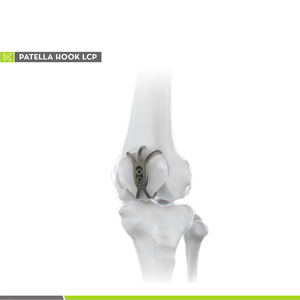
Orthopedic Trauma Bone Implant for Lower Limb Osteosynthesis Patella Claw Plate Contract Manufacturer Healthcare Supply
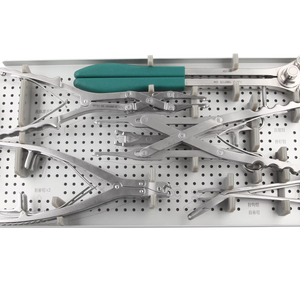
COX 6.0 Screw & Rod System Class I Implant Instruments for Orthopedic Surgery
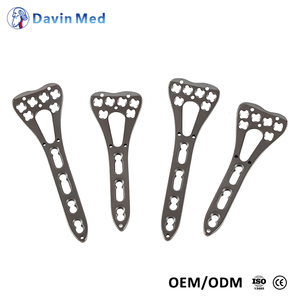
Titanium Two Column Volar Distal Radius Locking Plate 2.7mm Variable Angle Orthopedic Trauma Implant For Wrist Fracture
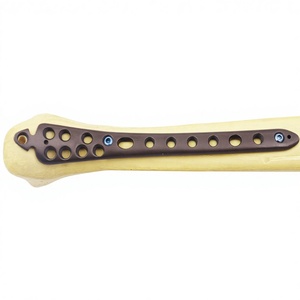
Orthopedic Titanium Trauma Implant Distal Tibial Medial Locking Plate Bone Fracture Internal Fixation Medical CE ISO Certified
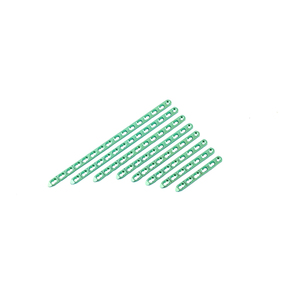
ORTHOCORE 2.0mm Locking Compression Plates Titanium Veterinary Orthopedic Implant Safe and Reliable
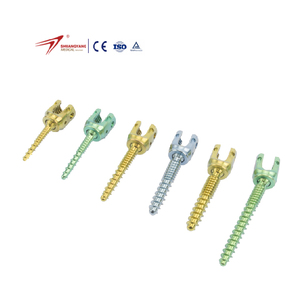
Shuangyang High Quality Meditech Orthopedic Implants Wholesale Titanium Alloy Polyaxial Pedicle Screw
1. The Evolving Orthopedic Sourcing Landscape in Kazakhstan
The Republic of Kazakhstan represents a pivotal healthcare procurement hub within Central Asia and the wider Eurasian Economic Union (EAEU). Driven by state-funded healthcare modernization programs, compulsory social health insurance expansion (CSHI / FSMS), and central purchasing frameworks overseen by SK-Pharmacy (СK-Фармация), healthcare institutions in Astana, Almaty, Shymkent, Karaganda, and regional oblast trauma centers are systematically upgrading their surgical capabilities.
Modernizing surgical care in Central Asia requires moving past fragmented, multi-vendor procurement models toward consolidated OEM/ODM factory partnerships. For distributors, clinical tender managers, and hospital administrators in Kazakhstan, acquiring high-precision titanium osteosynthesis systems is no longer solely about unit pricing. Sourcing decisions rest heavily on material purity specifications (Ti-6Al-4V ELI / 316LVM), strict compliance with EAEU Decision No. 46 / GOST-K registration frameworks, rapid supply chain dispatch via established Central Asian logistics corridors, and lot-to-lot bio-compatibility guarantees.
E-E-A-T Technical Baseline: Material Standards & Mechanical Rigor
Every orthopedic implant supplied by Ortix Medical is produced exclusively from certified biocompatible alloys (ASTM F136 Titanium Alloy, ASTM F138 Stainless Steel, and PEEK-OPTIMA). Our internal testing laboratories conduct 100% axial fatigue, static bending, and torque-to-failure evaluations in compliance with ISO 14801, ASTM F1717 (Spinal Pedicle Screw Constructs), and ASTM F382 (Metallic Bone Plates).
Technical Benchmark Comparison: Material Science Specs for Kazakhstan Tenders
To assist procurement specialists in drafting rigorous technical specifications for municipal and national tenders, the following comparison matrix details the physical, mechanical, and bio-integration profiles of our primary manufacturing materials:
| Material Specification | Tensile Strength (MPa) | Modulus of Elasticity (GPa) | Corrosion Resistance | Primary Clinical Application |
|---|---|---|---|---|
| Ti-6Al-4V ELI (ASTM F136) | ≥ 860 MPa | 110 GPa | Exceptional (Passivated TiO2 layer) | Spinal Pedicle Screws, Trauma Locking Plates, Interbody Cages |
| 316LVM Stainless Steel (ASTM F138) | ≥ 930 MPa | 190 GPa | High (Vacuum Arc Remelted) | Cost-Effective Trauma Osteosynthesis, Cerclage Cables, Pins |
| PEEK OPTIMA® (Polyetheretherketone) | ≥ 95 MPa | 3.6 GPa (Radiolucent) | Biologically Inert / Zero Degradation | Cervical & Lumbar Interbody Fusion Cages, Cranial Repairs |
| 3D Printed Porous Titanium (Grade 23) | Custom Lattice Structural | 2.5 - 4.5 GPa (Bone-Matched) | Superior (Trabecular Osseointegration) | Custom Patient-Specific Implants (PSI), Veterinary TTA Cages |
2. Localized Clinical Application Scenarios in Kazakhstan
Kazakhstan’s geographic expanse, diverse climatic conditions, and industrial base create distinct trauma patterns and clinical requirements across its 17 oblasts and 3 major metropolitan areas. Sourcing orthopedic implants for this region demands an understanding of local clinical environments:
Sub-Zero Severe Weather & Slip Fracture Protocols
During extreme winter conditions in Northern and Central Kazakhstan (Astana, Akmola, Kostanay, North Kazakhstan oblasts), emergency admissions for icy-surface falls surge. High-demand hardware includes Titanium Volar Distal Radius Locking Plates (2.7mm) and Distal Tibia Medial Locking Plates featuring variable-angle locking screws that accommodate low bone density and severe comminuted articular fractures.
High-Energy Heavy Transport & Industrial Trauma
The mining, oil-gas extraction, and heavy manufacturing corridors of Karaganda, Pavlodar, and Atyrau generate high-energy crush injuries and poly-trauma cases. Emergency osteosynthesis protocols rely on our Proximal Femoral Intramedullary Nail (PFNA) Systems, lower limb Patella Claw Plates, and heavy-duty 5.5mm/6.0mm Thoracolumbar Pedicle Screw constructs capable of immediate biomechanical stabilization.
Reconstructive Spine & Degenerative Pathology
Specialized surgical centers, such as the National Scientific Center for Traumatology and Orthopedics named after Academician Batpenov in Astana, require high-precision polyaxial pedicle screws, dynamic cervical plates, and PEEK interbody fusion cages. Our COX 6.0 Pedicle Screw & Rod System offers superior low-profile torque locking and fatigue resistance for complex scoliosis and spondylolisthesis corrections.
Veterinary Osteosynthesis & Specialized Applications
With the rapid expansion of modern veterinary clinical chains in Almaty and Astana, demand for animal-specific orthopedic implants has increased. Ortix Medical supplies specialized 3D Printed Titanium TTA (Tibial Tuberosity Advancement) Implants and ORTHOCORE 2.0mm mini-locking compression plates tailored for canine and feline cruciate repair and complex bone reconstruction.
3. Strategic Market Trends & Regulatory Shifts in Kazakhstan (2025–2030)
Navigating the medical device market in Kazakhstan requires aligned planning around key regulatory and economic dynamics shaping the region:
- Harmonization of EAEU Medical Device Directives: Kazakhstan is transitioning toward unified Eurasian Economic Union regulatory standards (EAEU Decision No. 46). Sourcing implants backed by complete technical dossiers, ISO 13485 audits, biological evaluation reports (ISO 10993), and factory inspection data streamlines registration across Kazakhstan, Kyrgyzstan, Armenia, Belarus, and Russia.
- Expansion of Public-Private Partnership (PPP) Clinics: The establishment of private surgical centers in Almaty, Shymkent, and Aktau has driven demand for flexible, low-MOQ sourcing. Private operators prioritize modular implant systems that allow combining trauma, spine, and instrument sets within single container shipments.
- Shift Towards Minimally Invasive Surgery (MIS): Kazakh surgeons are increasingly favoring percutaneous pedicle screw fixation, intramedullary nails with targeted distal locking instruments, and cannulated screw systems that minimize soft-tissue trauma and shorten hospital stays.
4. Ortix Medical Manufacturing Capabilities & Quality Control Architecture
As a dedicated contract manufacturer and OEM/ODM supplier, Ortix Medical Devices Co., Ltd. operates a modern 60,000 m² industrial complex designed specifically for Class IIb and Class III orthopedic medical device production.
Ultra-Precision CNC Machining
Equipped with over 450 state-of-the-art 5-axis Swiss-type automatic CNC lathes (Citizen, Star) and high-speed machining centers, maintaining dimensional tolerances within ±0.005 mm for thread pitch, hex socket geometry, and locking contours.
Cleanroom & Surface Treatment
Implants undergo automated ultrasonic cleaning, Type II/III anodization color-coding, and bio-burden washing before primary packaging inside ISO Class 7 (Class 10,000) cleanroom environments compatible with EO and Gamma sterilization.
100% End-to-End Lot Traceability
From raw bar stock titanium mill certificates to final coordinate measuring machine (CMM) dimensional reports, every screw, plate, nail, and rod carries a unique batch laser mark for total traceability throughout its clinical lifecycle.
5. Kazakhstan Procurement & Logistics FAQ
Direct answers to common operational, regulatory, and commercial inquiries raised by healthcare buyers and medical distributors in Central Asia: