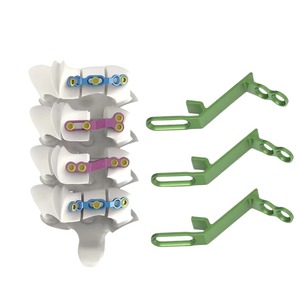
Pure Titanium Double-Bend Long-Hole Locking Plate System
Material: ISO 5832-2 Pure Titanium
Indication: Complex Periarticular Fractures
Explore our certified orthopedic portfolio engineered with TC4 Titanium Alloy (Ti6Al4V ELI) and implant-grade 316L Stainless Steel. Optimized for German trauma centers and private surgical networks.
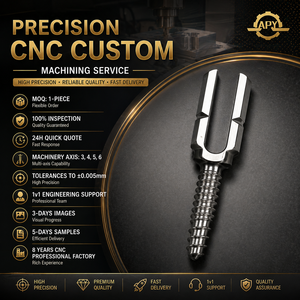
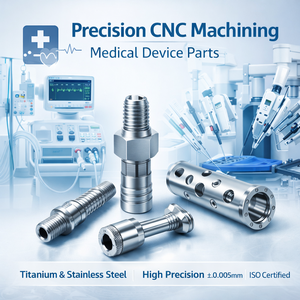
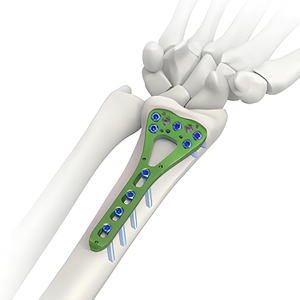
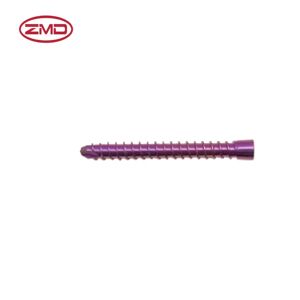
The German medical device landscape represents the largest market for orthopedic implants in Europe, characterized by rigorous regulatory frameworks under the European Medical Device Regulation (EU MDR 2017/745), high standards set by the Federal Joint Committee (G-BA), and sophisticated purchasing groups (Einkaufsgenossenschaften like GDEKK, EK-UNICO, and AGKAMED). Navigating procurement in Germany requires a precise balance between uncompromised clinical performance, biomechanical durability, and transparent B2B pricing structures.
SEO & Market Intelligence Note: Sourcing orthopedic implants for Germany is no longer merely an exercise in finding low unit pricing; it is a Total Cost of Ownership (TCO) calculation involving Notified Body certifications, MDR Technical Documentation (TD), EUDAMED registration readiness, and predictable supply chain SLAs to German logistics hubs (e.g., Frankfurt Airport or Hamburg Port).
Understanding the pricing mechanisms of orthopedic trauma plates, spinal pedicle screw systems, intramedullary nails, and joint replacement implants requires examining the component cost factors across the international supply chain. Direct-from-factory suppliers offer significant financial leverage compared to traditional European OEM brand markups, which often inflate end-user costs by 200% to 400% due to administrative overheads.
| Implant Category / Product Type | Material Specification | Average EU Retail Price Range (€) | Direct Factory B2B Price Range (€) | German Hospital Savings Potential (%) |
|---|---|---|---|---|
| Thoracolumbar Pedicle Screws (Mono/Polyaxial) | Ti6Al4V ELI (ASTM F136) | €180 – €350 / unit | €35 – €75 / unit | 65% – 78% Savings |
| Anatomical Trauma Locking Plates (Distal Radius/Tibia) | Pure Titanium (Grade 4 / ISO 5832-2) | €250 – €550 / unit | €50 – €120 / unit | 70% – 80% Savings |
| Proximal Femoral Intramedullary Nails (PFNA Type) | TC4 Titanium Alloy / Stainless 316L | €450 – €900 / system | €110 – €240 / system | 68% – 76% Savings |
| Cervical / Lumbar Interbody Fusion Cages | PEEK OPTIMA / 3D Printed Porous Ti | €300 – €700 / unit | €65 – €150 / unit | 75% – 82% Savings |
| External Fixator Modular Rod-Pin Systems | Carbon Fiber & Anodized Aluminum | €600 – €1,400 / kit | €140 – €320 / kit | 72% – 79% Savings |
The German orthopedic market is experiencing a structural shift driven by healthcare reform legislation (such as the Krankenhausreform), economic pressures on DRG (Diagnosis-Related Groups) reimbursement rates, and strict compliance timelines under EU MDR 2017/745. Buyers in Germany are rapidly replacing legacy supply chains with agile, highly certified contract manufacturing partners.
With legacy European Notified Bodies facing severe backlogs, many traditional European suppliers are sunsetting niche product lines. German procurement managers are turning to suppliers with robust ISO 13485 systems and complete Technical Documentation (TD) ready for expedited market access.
German orthopedic surgeons at University Hospitals (Unikliniken) and BG Trauma Centers heavily favor Minimally Invasive Surgery (MIS) pedicle screw platforms and 3D-printed porous titanium interbody cages that foster rapid bone ingrowth and reduce length-of-stay (LOS).
Einkaufsverbände (Group Purchasing Organizations) are scrutinizing implant line items. By unbundling instrument kit charges and sourcing MDR-compliant implants directly from high-volume manufacturers, purchasing groups achieve double-digit margins under standard OPS reimbursement codes.
Ortix Medical tailors its engineering and supply logistics to match specific operational workflows found in German surgical environments:
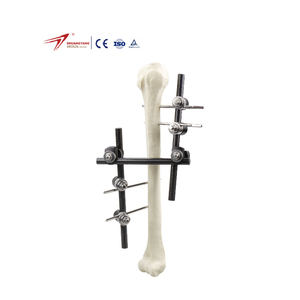
In high-velocity trauma protocols, durability and rapid instrument modularity are paramount. Our AO Synthes Type External Fixators and Proximal Femoral Intramedullary Nails (PFNA) allow emergency surgical teams to achieve rigid temporary or definitive stabilization in complex polytrauma cases within minimal surgical time windows.
German spinal specialists require ultra-low profile implants to prevent dysphagia in Anterior Cervical Discectomy and Fusion (ACDF) or soft tissue impingement in thoracolumbar reconstructions. Our Type II & IV Anterior Cervical Plates paired with PEEK Uni-C Interbody Cages feature integrated locking mechanisms designed to streamline intraoperative placement.
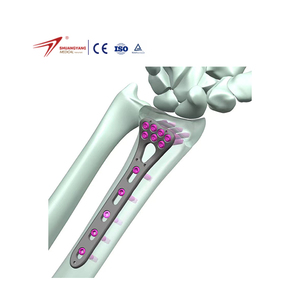
With German healthcare reforms expanding outpatient surgical procedures (Ambulantisierung), day-clinics require versatile, low-cost anatomical plates for distal radius, clavicle, and ankle fractures. Our multi-axial locking plate series provides high primary stability, reducing post-operative complications and revision burdens.
As a global leader in orthopedic implant manufacturing, Ortix Medical Devices Co., Ltd. operates as a strategic production partner for international brands, hospital networks, and medical device distributors across Germany and Western Europe.
Our facility houses advanced Swiss-type Citizen CNC lathes, DMG Mori 5-axis machining centers, and automated optical coordinate measuring machines (CMM). Every production lot undergoes rigorous mechanical testing in accordance with international standards:
Support mixed-SKU small batch orders, enabling German distributors to optimize inventory capital without overcommitting on slow-moving implant sizes.
In-house custom laser marking, tailored packaging design, custom instrument tray design, and modified anatomical plate geometry.
Every implant system is supplied alongside ergonomic, color-coded stainless surgical instrument sets for seamless operating room deployment.
Streamlined export processing with comprehensive customs documentation (DDP/DAP options) direct to German warehouses and hospital depositories.
By purchasing directly from our ISO 13485-certified manufacturing facility, German distributors and hospital procurement groups typically achieve direct unit price reductions of 60% to 80% compared to Western European OEM catalog prices. We maintain identical material specifications (Ti-6Al-4V ELI, Pure Titanium Grade 4, PEEK-OPTIMA) and micro-machining tolerances without passing heavy sales overheads onto the buyer.
We supply qualified partners with complete technical dossiers, including ISO 13485 certificates, raw material mill test certificates (showing chemical composition and tensile properties by batch), biocompatibility test summaries (ISO 10993), mechanical test reports (ASTM F543, ISO 12189), sterilization validation data, and Instructions for Use (IFU) ready for local translation.
Yes. We specialize in supporting independent medical device distributors by offering low MOQ threshold commitments. You can combine trauma plates, pedicle screws, intramedullary nails, cages, and matching surgical instrument trays within a single consolidated shipment to optimize inventory velocity.
Standard catalog implants with custom laser etching and customer-specific labeling ship within 2 to 4 weeks. Full custom ODM design projects (modified plate curvature or novel screw thread geometries) typically take 6 to 10 weeks from CAD drawing sign-off and prototype testing to final sterile package delivery.
Yes. Qualified distributors, hospital purchasing committees, and clinic networks can request non-sterile evaluation samples and demo instrument sets through our sample program to verify surface finish, thread engagement, screw locking feel, and instrument ergonomics prior to placing commercial orders.
Partner with Ortix Medical to streamline your orthopedic supply chain, guarantee MDR compliance readiness, and secure factory-direct pricing for your market.