Medical Device Portfolio
Orthopedic Trauma & Surgical Implant Systems
ISO 13485 & FDA-Registered Implants and Precision Surgical Instruments Engineered for Hospital Networks and Distributors in Israel
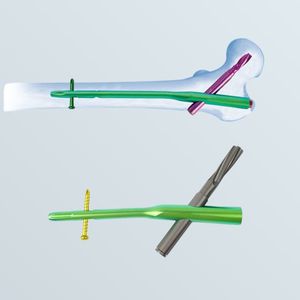
Premium Pfna Intramedullary Nail Wholesale Orthopedic Implant for Femur Intertrochanteric Bone Fracture
Inquire Product Specs →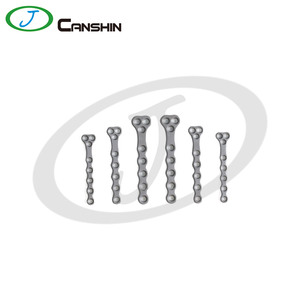
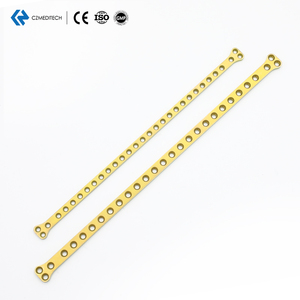
Veterinary Orthopedic Surgery Implant T Shape Reconstruction Locking Plate with Pure Titanium
Inquire Product Specs →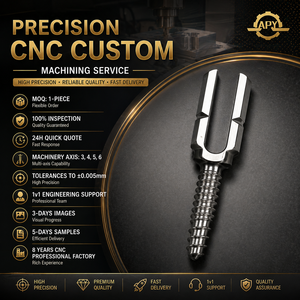
ISO 13485 CNC Machined Pedicle Screw Orthopedic Implant Spinal Fixation Bone Screw 5-Axis Machining OEM Medical Grade
Inquire Product Specs →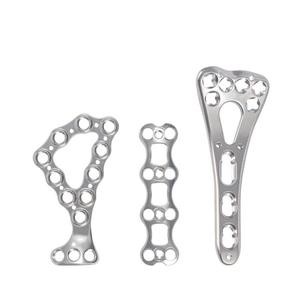
Custom Drawing Orthopedic Surgical Spine Implants High-Quality Titanium Minimally Invasive Pedicle Screw System
Inquire Product Specs →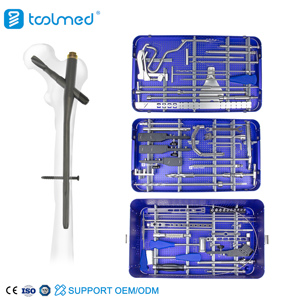
Orthopedic Implant PFNA Femoral Intramedullary Nail Orthopedic Instrument Set Orthopedic Titanium Trauma Nail Implants
Inquire Product Specs →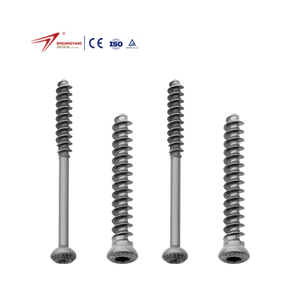
Shaungyang Medical Custom Orthopedic Surgical Trauma Implants Screw Orthopedic 4.0 Series Titanium Alloy Bone Cancellous Screws
Inquire Product Specs →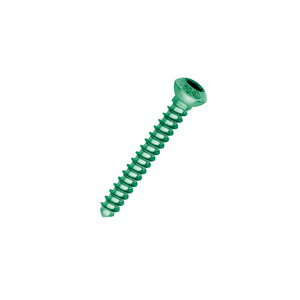
Dafinki 4.5mm Titanium Alloy Cortical Bone Screws-Locking Screws For Orthopedic Surgery Class III Implant
Inquire Product Specs →60,000m²
State-of-the-Art Plant
450+
5-Axis CNC Machines
20,000/day
Implant Unit Capacity
70+
R&D Biomedical Engineers
Industry Whitepaper • Biomechanical Analysis
Engineering Anatomy & Dynamic Fixation Mechanics of Suture Button With Loop Systems
In modern trauma surgery and sports medicine, the management of syndesmotic disruptions, acromioclavicular (AC) joint dislocations, and Lisfranc midfoot injuries has undergone a fundamental paradigm shift. Historically, rigid metallic transfixation screws were the gold standard for stabilizing syndesmotic disruptions of the distal tibiofibular joint. However, rigid screw constructs present well-documented clinical drawbacks, including high rates of hardware fatigue breakage, syndesmotic malreduction, loss of physiological dynamic rotation, and the obligatory secondary surgical procedure for screw removal prior to full weight-bearing.
The Suture Button with Loop system engineered by Ortix Medical provides a dynamic, knotless continuous-loop fixation platform designed to restore physiological joint elasticity while maintaining anatomical reduction under extreme biomechanical forces. By utilizing high-strength Ultra-High-Molecular-Weight Polyethylene (UHMWPE) suture loops coupled with low-profile titanium alloy (Ti-6Al-4V ELI) buttons, surgeons can achieve permanent dynamic stabilization without hardware removal.
Ti-6Al-4V ELI Alloy
Manufactured from Medical Grade 23 Titanium alloy meeting ASTM F136 standards. Provides exceptional fatigue resistance, biocompatibility, and MRI compatibility with minimal artifact shadows.
Pre-Braided UHMWPE Loop
Constructed from ultra-high-molecular-weight polyethylene fibers woven into a continuous seamless loop, delivering Ultimate Tensile Strength (UTS) exceeding 1,200 Newtons with near-zero creep deformation.
Knotless Self-Locking
Eliminates knot stack-up, tissue irritation, and knot slippage under cyclic gait loads. The self-centering oval button design spreads clamping forces evenly across cortical bone surfaces.
Biomechanical Stress Distribution: Dynamic vs. Rigid Fixation
During normal human locomotion, the fibula undergoes complex physiological motion relative to the tibia: approximately 1.0 to 1.5 mm of lateral displacement, up to 2.5 degrees of external rotation, and slight distal migration during ankle dorsiflexion. A rigid transfixation screw locks the distal tibiofibular joint in a static position, preventing natural fibular rotation and predisposing the assembly to shear stress failure.
Conversely, the Suture Button with Loop system accommodates micro-motion while resisting pathologic diastasis. As demonstrated in cyclic mechanical testing (subjected to 1,000,000 physiological load cycles at 200 N to 800 N loading), the flexible UHMWPE loop construct exhibits superior dynamic resilience, maintaining syndesmotic reduction within 0.3 mm of initial baseline while eliminating screw breakage and post-operative stiffness.
Biomechanical Evidence
Comparative Performance Analysis: Suture Button vs. Rigid Screw Fixation
Quantitative evaluation based on ASTM F2502 mechanical testing criteria and clinical follow-up data
| Performance Dimension | Ortix Suture Button with Loop | 3.5mm / 4.5mm Cortical Screw | Clinical & Economic Impact |
|---|---|---|---|
| Physiological Micro-motion | Maintains natural fibular micro-rotation (1.0 - 1.5mm) | Completely rigid constraint (0mm motion allowed) | Faster restoration of anatomical joint kinematics & reduced stiffness. |
| Hardware Removal Surgery | Not Required (Permanent dynamic construct) | Obligatory (Removed at 8 - 12 weeks post-op) | Eliminates secondary surgery costs and reduces surgical room congestion. |
| Hardware Failure / Breakage Rate | < 0.1% (No metallic fatigue breakage) | 12.5% - 24.0% (High screw shear fracture) | Prevents retained broken hardware complications and revision surgeries. |
| Malreduction Rate | < 3.5% (Self-centering button alignment) | 16.0% - 28.0% (Over-tightening risk) | Lowers long-term post-traumatic ankle osteoarthritis risk for patients. |
| Post-Op Weight-Bearing Protocol | Accelerated (Protected weight-bearing at 2-3 weeks) | Delayed (Strict non-weight bearing for 6-8 weeks) | Dramatically accelerates patient rehabilitation and return to work. |
| Tensile Strength (UTS) | > 1,200 N continuous braided loop force | ~ 950 N bending shear limit | Superior security during sudden high-impact accidental loading. |
Israel Market Focus • Supply Chain & Regulations
Supply Chain Integration for Israel: Regulatory Compliance, AMAR Registration & Hospital Networks
The Israeli healthcare sector represents one of the most advanced medical technology ecosystems globally. Driven by a national universal healthcare system administered via four primary Health Maintenance Organizations (HMOs / Kupat Holim: Clalit, Maccabi, Meuhedet, and Leumit) alongside world-renowned medical centers, demand for high-grade surgical implants is governed by rigorous quality requirements and swift supply chain execution.
1. Israeli Ministry of Health (MoH / AMAR) Regulatory Pathway
All medical devices entering the State of Israel must undergo formal evaluation and registration with the Medical Devices Department of the Israeli Ministry of Health (known as AMAR - Avisan Reshum). To support Israeli medical equipment importers, hospital tender boards, and distribution partners, Ortix Medical provides a complete registration technical dossier:
- ISO 13485:2016 Certification: Fully audited quality management system covering full-scope R&D, precision machining, and cleanroom packaging of orthopedic implants.
- US FDA Registration & CE Equivalency: Technical Files aligned with US FDA 510(k) standards and EU MDR (2017/745) requirements, facilitating expedited AMAR clearance under Israel's recognized international authority pathways.
- Biocompatibility & Sterility Validation: Comprehensive ISO 10993 cytotoxicity, sensitization, and systemic toxicity testing, alongside Ethylene Oxide (EO) packaging validation per ISO 11135.
- Traceability & UDI Compliance: Laser-etched 2D DataMatrix and Unique Device Identification (UDI) barcodes compliant with global GS1 and Israeli MoH hospital inventory tracking systems.
2. Clinical Application Scenarios Across Top Israeli Medical Centers
From major trauma hubs such as Sheba Medical Center (Tel Hashomer), Rambam Health Care Campus (Haifa), and Hadassah Medical Center (Jerusalem), to Tel Aviv Sourasky Medical Center (Ichilov) and Soroka Medical Center (Be'er Sheva), surgical teams require flexible inventory models and rapid stock replenishment. Primary clinical applications in the Israeli market include:
Sports Medicine & Tactical Trauma
High incidence of high-velocity syndesmotic tears, turf-toe injuries, and AC joint dislocations encountered in active athletic training and defense personnel demands dynamic suture button constructs capable of immediate strength restoration and reduced rehabilitation timelines.
Lisfranc Midfoot Ligamentous Stabilization
Flexible suture button fixation across tarsometatarsal joints preserves essential midfoot arches and natural motion, offering an elegant alternative to rigid joint-fusing screws in high-demand civilian and sports-related foot injuries.
3. Logistical Reliability & Ocean/Air Freight to Haifa & Ashdod
To insulate Israeli distributors against supply chain disruptions, Ortix Medical operates a streamlined export workflow. Products are dispatched directly via express air freight to Ben Gurion Airport (TLV) or via ocean container freight to the Port of Haifa and Port of Ashdod. Custom commercial invoices, Certificates of Origin (COO), and Hebrew/English bilingual outer box packaging labels ensure seamless customs clearance through Israeli customs authorities.
Corporate Advantage
Ortix Medical: World-Class OEM/ODM Orthopedic Manufacturing
Leveraging 60,000 m² of modern production space to deliver uncompromised precision for global partners
Modern 60,000 m² Facility
Housing over 450 state-of-the-art 5-axis CNC machining centers, Swiss-type automatic lathes, and high-precision laser welding stations capable of producing 20,000 units per day.
ISO 13485 & FDA Quality System
Strict end-to-end quality assurance featuring optical CMM inspections, cleanroom ISO Class 7 primary pouch packaging, and 100% material lot heat-traceability.
Custom OEM/ODM Engineering
In-house team of 70+ biomedical engineers supporting custom loop lengths, unique button geometries, private label laser etching, and custom sterile kit configurations.
Local Market Trends
Emerging Procurement Trends in Israel’s Orthopedic & Trauma Sector
The medical device landscape in Israel is evolving rapidly under economic and clinical pressures. Procurement officers across HMO networks and private surgical facilities are increasingly focusing on total cost-of-care reduction and streamlined hospital inventory.
Shift to Outpatient Dynamic Surgery
Israeli outpatient surgical centers (Assuta Health Network, Herzliya Medical Center) are prioritizing knotless suture-button systems to minimize intraoperative time and avoid mandatory follow-up hardware removal operations. This shift directly reduces surgical theater overhead and improves patient turnover rates.
Consolidated Vendor Sourcing
Major importers in Tel Aviv, Haifa, and Jerusalem are moving away from fragmented sourcing. By partnering with single-source OEM manufacturers like Ortix Medical—who provide Spine, Trauma, Sports Medicine, and Surgical Power Tools under one roof—distributors lower container shipping costs and simplify AMAR dossier filings.
Procurement Guidance
Frequently Asked Questions for Israeli Medical Importers & Procurement Directors
Answers to common technical, regulatory, and commercial inquiries when sourcing Suture Button with Loop systems
What specific technical documentation does Ortix Medical provide for Israeli AMAR registration? +
Ortix Medical provides a complete AMAR registration package tailored for the Israeli Ministry of Health (MoH). This includes our ISO 13485:2016 certificate, US FDA Establishment Registration details, EU MDR Technical Files, ASTM F136 titanium raw material mill test reports, ISO 10993 biocompatibility test results, ISO 11135 sterilization validation reports, and bilingual Instructions for Use (IFU).
How does the Suture Button with Loop prevent knot slippage and maintain tension under cyclic loading? +
Our Suture Button with Loop system features a pre-braided continuous-loop construction using high-density Ultra-High-Molecular-Weight Polyethylene (UHMWPE) fibers. Because the loop is endless and knotless, it eliminates knot slippage, knot stack-up bulk, and friction failure under dynamic gait stresses, retaining consistent reduction tension over millions of cycle iterations.
What are the standard lead times and shipment options for delivery to Israel? +
Standard catalog items are dispatched within 7 to 14 business days from order confirmation. Air freight shipments to Ben Gurion International Airport (TLV) typically take 3 to 5 transit days, while sea freight shipments to the Port of Haifa or Port of Ashdod take approximately 18 to 25 days. Express emergency stock orders can be expedited upon request.
Does Ortix Medical support OEM private labeling and custom Hebrew/English packaging for Israeli HMO tenders? +
Yes. We offer complete OEM/ODM solutions, including custom fiber-laser marking of distributor logos directly on titanium buttons, customized sterile pouch artwork, UDI barcode printing compliant with GS1 standards, and bilingual Hebrew and English outer box labeling to satisfy Israeli hospital procurement specifications.
What is the Minimum Order Quantity (MOQ) for Israeli distributors combining multiple product lines? +
We offer flexible low-MOQ structures tailored for regional distributors. Importers can consolidate mixed-SKU shipments—combining Suture Buttons with Loop, trauma locking plates, intramedullary nails, cannulated screws, and matching surgical instrument sets in a single order to optimize freight costs and inventory management.
What dynamic load testing standards do Ortix Medical implants comply with? +
Our implants undergo rigorous mechanical evaluation adhering to ASTM F2502, ASTM F1717, and ASTM F1586 standards. Suture button assemblies are subjected to static pull-out force testing, continuous loop tension limits (> 1,200 N UTS), and dynamic fatigue testing past 1,000,000 cycles to guarantee absolute patient safety in high-stress surgical applications.
Partner with a Leading Suture Button with Loop Manufacturer
Expand your medical supply portfolio in Israel with factory-direct pricing, complete AMAR registration support, low MOQs, and uncompromised ISO 13485/FDA quality standards.