Precision-Engineered Orthopedic Implants & Systems
Explore our certified medical-grade titanium and stainless steel implant solutions, designed for high-stress spinal, trauma, and craniomaxillofacial procedures.
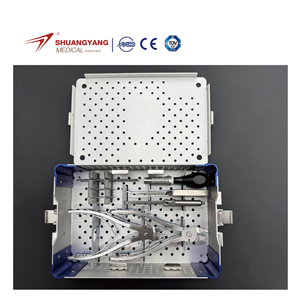
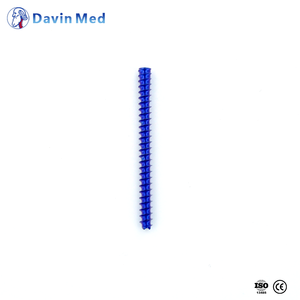
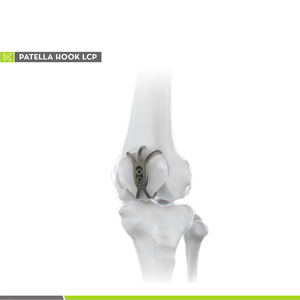
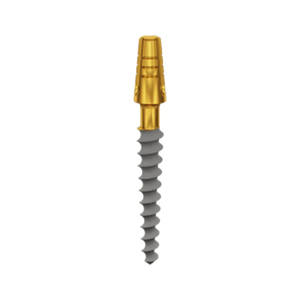
The Evolving Landscape of Spine Surgery Implants in Brazil
Brazil represents the largest medical device market in Latin America, driven by a dual-tier healthcare structure comprising the public system—Sistema Único de Saúde (SUS)—and a rapidly expanding private supplementary market overseen by ANS (Agência Nacional de Saúde Suplementar). Thoracolumbar pedicle screw systems represent one of the highest-volume product categories in orthopedic trauma and degenerative spine care. However, Brazilian distributors face distinct market challenges: tight hospital reimbursement structures, high import duties (NCM classification 9021.10), and stringent regulatory oversight by ANVISA (Agência Nacional de Vigilância Sanitária) under RDC 665/2022 (Good Manufacturing Practices).
To remain competitive, major medical distributors in hubs like São Paulo, Rio de Janeiro, Belo Horizonte, and Curitiba are moving away from traditional European and North American tier-1 suppliers who impose high unit pricing and rigid minimum order quantities (MOQs). Instead, strategic partnerships with top-tier Chinese manufacturing powerhouses have emerged as the primary growth driver. By leveraging China’s advanced CNC precision manufacturing, Chinese pedicle screw factories offer Brazilian partners an unparalleled combination of biocompatible material integrity (Ti-6Al-4V ELI), complete ANVISA-ready technical dossiers, and cost efficiencies that protect margins under SUS bidding ceilings.
ANVISA Regulatory Alignment
Navigating ANVISA Class III medical device registration demands flawless technical files. Premier Chinese suppliers deliver complete mechanical test data (ASTM F1717 / ISO 12189) and ISO 13485 audit trails for frictionless local clearing.
SUS & Private Tender Flexibility
Public healthcare tenders require cost-effective, highly durable implants. China-manufactured systems provide the structural reliability needed for complex trauma without inflating procedure costs.
Localized Warehouse Replenishment
Flexible order configurations allow distributors to stock high-velocity screw diameters (5.5mm/6.0mm) alongside specialized long-length rods without locking up massive working capital.
Thoracolumbar Pedicle Screw System Technical Whitepaper
High-gain technical specifications for clinical evaluators, orthopedic biomechanical engineers, and hospital purchasing committees.
The thoracolumbar junction (T10-L2) experiences intense mechanical load transitions between the relatively rigid thoracic spine and the flexible lumbar spine. A modern thoracolumbar pedicle screw system must guarantee zero intraoperative thread stripping, exceptional fatigue resistance under cyclic bending, and dynamic friction locking to prevent set-screw back-out.
| System Attribute | Technical Specification | Clinical & Manufacturing Advantage |
|---|---|---|
| Material Grade | Ti-6Al-4V ELI (ASTM F136 / ISO 5832-3) | Ultra-pure titanium alloy providing high fatigue strength and maximum biocompatibility under long-term implantation. |
| Screw Diameters | Ø4.5mm, Ø5.5mm, Ø6.5mm, Ø7.5mm (Lengths: 25mm–55mm) | Comprehensive sizing options to accommodate varied pedicle anatomies in thoracic and lumbar vertebrae. |
| Tulip Head Design | Polyaxial (50° articulation range) & Monoaxial constructs | Simplifies rod seating in multi-level fixation without inducing unwanted stress on pedicle walls. |
| Thread Profile | Dual-lead, self-tapping modified buttress thread | Halves insertion time while increasing pull-out strength in both cortical and osteoporotic cancellous bone. |
| Locking Mechanism | Square-thread reverse angle set screw (Anti-Cam-Out) | Eliminates tulip head splaying and prevents post-operative set-screw loosening under heavy axial loading. |
| Surgical Approach | Open Posterior & Percutaneous Minimally Invasive (MIS) | Cannulated screw designs with dedicated K-wire passage for percutaneous stab-incision trauma stabilization. |
Every pedicle screw system manufactured at our plant undergoes rigid mechanical testing adhering to ASTM F1717 standards (Static Compression Bending, Dynamic Fatigue Bending, and Torsional Gripping Capacity). Our implants withstand over 5 million cycles of dynamic fatigue testing at load limits significantly higher than physiological spine norms, ensuring lifetime construct integrity for Brazilian patients.
Localized Application Scenarios in Brazilian Hospitals
1. High-Velocity Spinal Trauma Stabilization
Major municipal hospitals in metropolitan hubs (e.g., Hospital das Clínicas in São Paulo, Hospital Alberto Torres in Rio) frequently handle severe motor vehicle collisions and falls. In these high-acuity settings, surgeons demand robust monoaxial and polyaxial pedicle screws that can rapidly reduce burst fractures, restore vertebral body height, and achieve immediate rigid internal fixation across T10–L4.
2. Degenerative Deformity & Spondylolisthesis
With Brazil's aging demographic, private hospitals (such as Hospital Israelita Albert Einstein) perform an increasing volume of multi-level lumbar fusion procedures for adult spinal deformity, degenerative spondylolisthesis, and lumbar canal stenosis. Dual-lead polyaxial screw systems paired with cross-connectors allow precise rod contouring and segmental compression/distraction.
3. Percutaneous Minimally Invasive Surgery (MIS)
Leading Brazilian spine centers are shifting towards percutaneous pedicle screw fixation to shorten post-operative hospital stays and minimize muscle disruption. Cannulated screws combined with extended-sleeve tulip heads permit seamless rod insertion through small stab incisions, drastically reducing intraoperative blood loss and infection risk.
4. Tumor Resection & Pathological Fracture Reconstruction
In oncology centers (such as INCA - Instituto Nacional de Câncer), spinal metastatic lesions often compromise structural stability. Long-construct thoracolumbar systems with cement-augmented (fenestrated) pedicle screws provide secure anchorage even in compromised, soft bone matrix.
Why Partner With Ortix Medical
Unmatched manufacturing scale, global compliance engineering, and end-to-end OEM support tailored for Brazilian orthopedic importers.
Advanced CNC Infrastructure
Our 60,000 m² smart factory operates over 450 precision multi-axis CNC machines (Citizen, DMG Mori) capable of micron-level tolerances required for flawless screw threads and friction-fit tulips.
Strict Quality Control & Traceability
From raw ASTM F136 titanium bar stock inspection to ISO Class 7 cleanroom packaging, every single implant carries a laser-etched matrix code ensuring complete lot-to-lot traceability.
OEM & Customization Support
We offer turn-key private labeling for Brazilian brands: customized laser branding, tailored surgical tray layouts, graphic packaging design, and Portuguese IFU documentation.
Frequently Asked Questions for Brazilian Importers
Clear answers regarding ANVISA registration, customs clearing, MOQs, and technical documentation.
How does your factory support ANVISA registration for Class III spinal implants in Brazil?
We provide a comprehensive technical dossier (Relatório Técnico) formatted specifically for ANVISA submission. This includes ISO 13485 certification, FDA registration details, material mill test reports (ASTM F136), mechanical fatigue testing according to ASTM F1717, biocompatibility reports (ISO 10993), and validated shelf-life/sterilization studies. Our regulatory affairs team assists your local Brazilian Responsible Technical Person (RT) throughout the filing process.
What are your minimum order quantities (MOQ) for mixed-SKU shipments to Brazil?
We understand that Brazilian distributors need to balance inventory costs with warehouse space. We offer flexible, low-MOQ starting packages that allow you to combine different screw diameters (Ø4.5mm–Ø7.5mm), monoaxial/polyaxial types, cross-connectors, and dedicated surgical instrument sets in a single shipment.
Can you manufacture private-label pedicle screw systems for our brand in Brazil?
Yes. Our full-service OEM/ODM program includes custom laser marking (your brand name, lot number, and GTIN barcode), custom anodization color coding for quick size identification during surgery, bespoke sterilization pouch packaging, and custom-designed stainless steel surgical trays with your company logo.
What is the typical production lead time and shipping protocol for Santos / Guarulhos customs?
Standard catalog items are produced and dispatched within 15–30 days. For custom OEM orders, production takes 30–45 days depending on tooling requirements. We work with experienced international freight partners familiar with Brazilian import customs (Receita Federal) and ANVISA border inspection procedures at Port of Santos and Guarulhos Airport (GRU).
Do you provide evaluation sample kits for Brazilian spine surgeons to inspect?
Yes. We offer sample evaluation sets to qualified orthopedic distributors and hospital procurement groups. This allows local spine specialists to evaluate machining finish, thread engagement, instrument ergonomics, and overall tactile feedback prior to executing bulk commercial contracts.
Ready to Expand Your Orthopedic Footprint in Brazil?
Connect directly with our senior export managers to request technical dossiers, full product catalogs, and competitive FOB/CIF price quotes.
Inquire Now