Precision Orthopedic Implants & Systems
Direct factory export catalog meeting stringent biomechanical performance and dimensional tolerance standards for Tokyo hospitals and medical distributors.
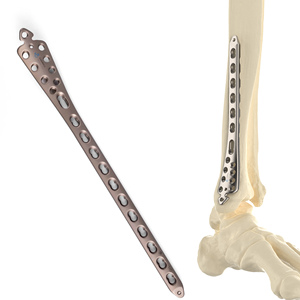
CANWELL Distal Medial Tibial Locking Plate 3.5mm Compression Titanium Bone Implant
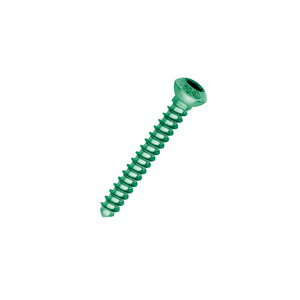
Dafinki 4.5mm Titanium Alloy Cortical Bone Screws-Locking Screws Class III Implant
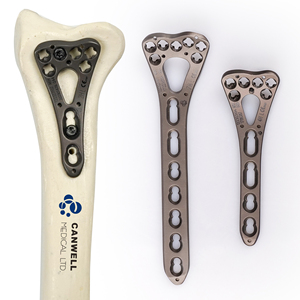
CANWELL 2.4/2.7mm VA Titanium Distal Palmar Radius Volar Locking Plate System
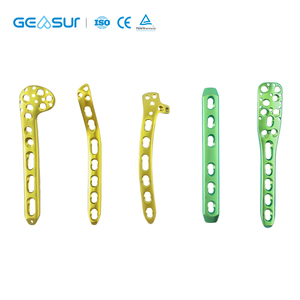
Titanium Distal Lateral Humeral Locking Plate Trauma Fracture Reconstruction Implant
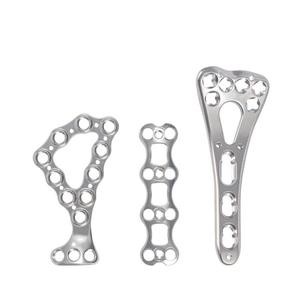
Custom Titanium Minimally Invasive Pedicle Screw System & Spinal Fixation Implants

CZMEDITECH Multi-lock Humeral Intramedullary Nail System Class III CE Certified
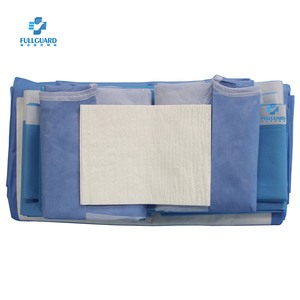
ISO 13485 Customizable Disposable Sterile Laparotomy Pack & Surgical Procedure Set
60,000 m²
State-of-the-Art Plant
450+
Swiss CNC Machines
20,000
Daily Unit Capacity
70+
Senior R&D Engineers
Tokyo Medical Sector Analytical Overview
Navigating Tokyo’s High-Density Healthcare Supply Chain & Orthopedic Sourcing Shift
The Tokyo Metropolitan Area represents one of the most sophisticated, densely concentrated, and demanding surgical device markets in the Asia-Pacific region. As Japan’s demographic landscape shifts rapidly into a super-aged society—where over 31% of the population in Greater Tokyo is aged 65 or older—the clinical demand for advanced trauma reconstruction, joint replacement, and complex spine fixation has reached an unprecedented peak.
Historically reliant on expensive North American and Western European brands, Tokyo’s hospital networks, university surgical centers (such as those located in Bunkyo and Shinjuku wards), and private orthopedic trauma centers face mounting pressures under Japan’s National Health Insurance (NHI) reimbursement system. Dynamic cost-containment directives established by the Ministry of Health, Labour and Welfare (MHLW) have created a strategic shift: medical device importers, distributors, and Marketing Authorization Holders (MAH) in Tokyo are actively establishing direct procurement corridors with top-tier Chinese orthopedic factories.
Leading Chinese orthopedic manufacturers—certified under ISO 13485 and registered with international regulatory bodies—now bridge the gap between premium Swiss-lathe engineering precision and sustainable procurement budgets. By delivering medical-grade Ti-6Al-4V ELI (ASTM F136) implants, PEEK spinal cages, and micro-machined trauma hardware at reduced unit costs, Chinese exporters empower Tokyo medical supply partners to maintain optimal surgical outcomes while enhancing institutional operating margins.
Localized Clinical Application Scenarios in Tokyo Hospitals
Engineered for seamless integration into specialized surgical procedures across Kanto-region medical centers.
Geriatric Trauma & Fragility Fracture Fixation
Tokyo emergency departments regularly handle high volumes of osteoporotic fractures in elderly urban residents. Products such as the CANWELL 2.4/2.7mm Variable Angle Volar Distal Radius Plate and Proximal Femoral Intramedullary Nails (PFNA) provide rigid bi-cortical locking stability in low-density bone, enabling early post-operative mobilization and reducing bed-rest complications.
Minimally Invasive Spine Surgery (MISS)
Clinics operating in high-density commercial hubs like Minato and Chiyoda emphasize reduced tissue trauma and rapid recovery times. Our Custom Drawing Titanium Minimally Invasive Pedicle Screw Systems and 3D-printed/PEEK Cervical Interbody Fusion Cages allow Tokyo spine surgeons to execute precise percutaneous instrumentation with minimal intraoperative blood loss and superior fusion rates.
Sports Medicine & Small Bone Reconstruction
From university athletics programs to sports medicine centers, active urban patients require anatomical fixation. The Headless Titanium Herbert Compression Screw delivers precise inter-fragmentary compression for scaphoid fractures and osteochondral osteotomies without hardware prominence, preserving joint biomechanics and speeding up functional rehabilitation.
Strategic Procurement Trends
Emerging Procurement Trends Shaping Tokyo's Medical Device Import Landscape
1. Strict PMDA Regulatory Alignment
Tokyo importers require complete technical documentation (STED), biocompatibility test packages (ISO 10993), and master batch records to streamline PMDA (Pharmaceuticals and Medical Devices Agency) approval and Shonin certification procedures.
2. High-Density Micro-Machining Tolerances
Japanese orthopedic surgeons insist on zero-tolerance implant-to-instrument tactile feedback. Precision thread pitch execution, burr-free chamfering, and high-spec surface anodization are mandatory pre-requisites for market entry.
3. Supply Chain Agility & Low MOQ SKU Kits
To minimize local warehouse inventory holding costs in Tokyo, distributors favor suppliers offering flexible low Minimum Order Quantities (MOQs) with mixed-SKU consolidated shipping capabilities across trauma, spine, and CMF portfolios.
Why Leading Japanese Importers Partner with Our Manufacturing Base
Combining high-volume industrial infrastructure with meticulous quality control and custom OEM/ODM program execution.
Advanced Manufacturing Footprint
Our 60,000 m² modern manufacturing complex houses over 450 precision multi-axis CNC lathes, Swiss-type automatic screw machines, and 5-axis machining centers, delivering a daily output capacity of 20,000 units with complete lot traceability.
Rigorous Quality Management
Operating under certified ISO 13485 standards and U.S. FDA establishment registration. Every production lot undergoes automated optical inspection, mechanical fatigue testing, static axial load analysis, and raw material spectral validation.
One-Stop OEM / ODM Program
Full private label service including custom fiber-laser marking, Japanese-language Instruction for Use (IFU) layout, specialized blister cleanroom packaging, and engineering R&D support for modified implant geometry.
Matched Instrument Systems
Implants are supplied with fully compatible, ergonomic surgical instrument sets crafted from German stainless steel. Modular tray designs guarantee intuitive intraoperative handling for surgical teams in Tokyo.
Frequently Asked Questions by Tokyo Medical Importers
Essential guidance on regulatory documentation, quality verification, custom manufacturing, and global shipping logisitics.
How do your manufacturing standards support Japanese PMDA registration for importers in Tokyo?
We supply full technical dossiers required by Marketing Authorization Holders (MAH) in Japan. This includes ISO 13485 certification, FDA registration data, ISO 10993 biocompatibility test reports, chemical composition certificates for Grade 5 Titanium (Ti-6Al-4V ELI) and PEEK-OPTIMA, mechanical fatigue test results, and validated sterilization validation packages (Gamma/EO). Our regulatory affairs team assists your Tokyo office throughout the submission process.
What is the Minimum Order Quantity (MOQ) for mixed-SKU shipments to Japan?
We offer flexible low MOQ arrangements specifically structured for medical importers expanding their catalog. Tokyo buyers can aggregate multiple product lines—such as Herbert screws, distal tibia locking plates, pedicle screw systems, and intramedullary nails—into a single consolidated shipment. Standard catalog items feature minimal batch thresholds, while customized OEM orders are evaluated based on tooling and laser-marking requirements.
Can Japanese surgical teams evaluate samples prior to executing bulk distribution agreements?
Yes. Qualified medical distributors, clinical procurement specialists, and hospital networks in Tokyo can request evaluation samples through our global service desk. Non-sterile evaluation samples allow chief orthopedists and biomedical engineers to audit surface finish, thread pitch precision, driver engagement, and instrument tray ergonomics before placing production orders.
What materials are utilized in your trauma plates, screws, and spinal cages?
Our trauma implants are manufactured exclusively from high-purity Titanium Alloy (Ti-6Al-4V ELI / ASTM F136) and implant-grade 316L Stainless Steel. Spinal fusion cages utilize genuine Invibio PEEK-OPTIMA or 3D-printed porous titanium constructs for optimal elasticity modulus, radiolucency, and rapid osseointegration.
What is the standard lead time for factory-direct dispatch to Tokyo Haneda or Narita air cargo ports?
Standard inventory items and catalog SKUs are typically packed and dispatched within 7 to 14 business days. Customized OEM orders requiring private label laser marking, tailored packaging, or modified instrument tray configurations follow an agreed production schedule of 30 to 45 days. Expedited air freight services deliver directly to Tokyo hubs with full customs documentation.
Accelerate Your Orthopedic Supply Chain in Tokyo
Connect directly with our export engineering team to request product catalogs, technical documentation packages, factory pricing, or sample evaluation sets.
Inquire Now