Verified Implant Systems
Featured Traceable Medical Components for Serbian Buyers
High-precision orthopedic implants manufactured under ISO 13485 standards, featuring laser-etched DataMatrix serial tracking ready for Serbian ALIMS medical device registration.
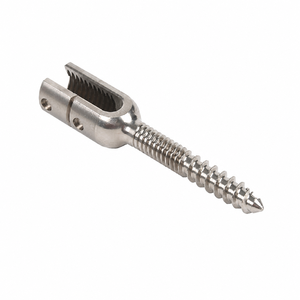
Titanium Pedicle Screw CNC Machining Service Spinal Orthopedic Bone Screw
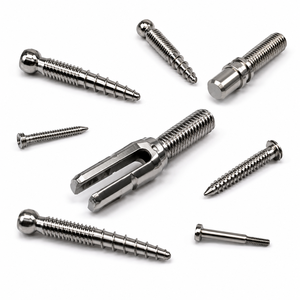
ISO 13485 Medical Stainless Steel Surgical Bone Screw Titanium OEM Precision Implant
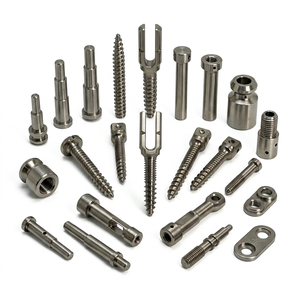
ISO 13485 CNC Medical Machining Spinal Pedicle Screw Bone Plates 5-Axis Implants
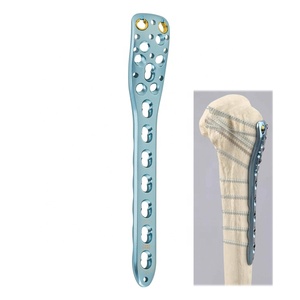
Variable Angle Neck Of Humerus Locking Bone Plate Titanium Orthopedic Trauma Implants
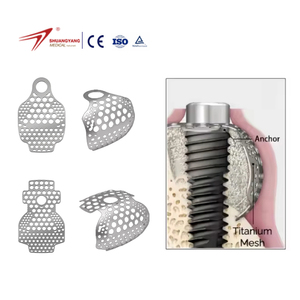
Dental Master GBR Bone Tack Kit Titanium Implant For Bone Regeneration CE ISO
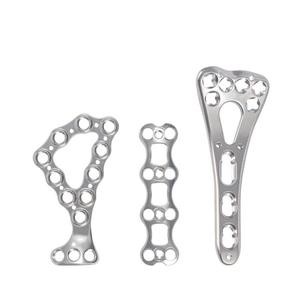
Custom Drawing Orthopedic Surgical Spine Implants MIS Pedicle Screw System
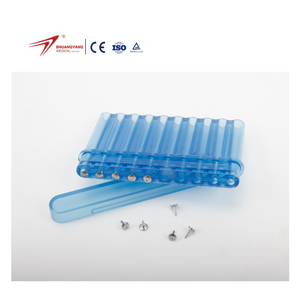
Orthopedic Implant Titanium Alloy Screw GBR Membrane Bone Tack System
Strategic Sourcing Report
Orthopedic Implant Traceability & Regulatory Standard in Serbia
An executive overview of procurement demands, ALIMS licensing requirements, GS1 2D DataMatrix integration, and direct factory OEM sourcing models for Serbian healthcare distributors.
1. The Critical Imperative of Implant Traceability in the Serbian Healthcare Market
Serbia's medical device market is undergoing a rapid modernization phase, driven by updated national health strategies, alignment with European Union Medical Device Regulation (EU MDR 2017/745) principles, and rigorous oversight by the Medicines and Medical Devices Agency of Serbia (ALIMS - Agencija za lekove i medicinska sredstva Srbije). For Serbian healthcare institutions—ranging from public clinical hubs like the University Clinical Centre of Serbia (UKCS) to specialized orthopedic hospitals like Banjica—implant traceability is no longer optional; it is an absolute legal and clinical mandate.
Orthopedic traceability involves the seamless tracking of surgical implants (pedicle screws, locking plates, intramedullary nails, fusion cages, and joint prostheses) from raw titanium ingot sourcing down to the specific patient surgical log. High-precision laser etching utilizing GS1-compliant 2D DataMatrix codes (Unique Device Identification - UDI) ensures that every single batch, lot, screw diameter, and manufacturing date can be verified instantly via optical scanners inside operating theaters.
ALIMS Dossier Alignment
Full technical documentation, ISO 13485 certification, and biocompatibility test reports designed for expedited Serbian ALIMS product registration.
Femtosecond Laser DPM
Direct Part Marking (DPM) technology etches micro UDI codes without compromising the protective titanium dioxide passive layer or corrosion resistance.
Lot-Level Material MTC
Every shipment includes complete Mill Test Certificates (MTC) certifying medical-grade Ti-6Al-4V ELI (ASTM F136) or ISO 5832-3 compliance.
2. Localized Application Scenarios Across Serbia's Primary Healthcare Centers
The operational demands for orthopedic implants vary across Serbia’s public healthcare network and private surgical clinics. Overseas exporters must understand where and how these devices are applied to ensure proper inventory structuring and surgical kit configuration:
1. Institute for Orthopaedic Surgery "Banjica" (Belgrade)
Primary Need: High-volume trauma locking plates, pedicle screw spinal systems, and complex revision trauma kits. Requires 100% laser-etched UDI codes for rapid hospital ERP software integration during emergency admissions.
2. University Clinical Centre of Serbia (UKCS)
Primary Need: Minimally invasive spinal fixation systems (MIS), cannulated screws, and advanced cervical plates. Demands modular instrument sets compatible with autoclave sterilization cycles.
3. Military Medical Academy (VMA Belgrade)
Primary Need: High-strength intramedullary nails (PFNA), external fixation systems, and reconstructive CMF titanium plates engineered for bullet trauma and severe long-bone fractures.
4. Clinical Center of Vojvodina (Novi Sad) & UKC Niš
Primary Need: Cost-effective, mixed-SKU trauma supplies, cannulated bone screws, and sports medicine suture anchors supporting regional orthopedic emergency networks.
3. Serbia Sourcing Trends & Technical Procurement Matrix
Serbian purchasing managers and medical importers are shifting away from intermediate regional traders toward direct-factory partnerships with verified OEM manufacturers. Key drivers behind this procurement transition include:
- Tender Compliance via Public Procurement Portal (Portal javnih nabavki): State tenders increasingly evaluate technical traceability dossiers, ISO 13485 audit records, and batch consistency markers alongside price.
- Transition to Biocompatible Titanium Alloys: Widespread replacement of traditional stainless steel with Titanium Grade 5 ELI (Ti-6Al-4V) for enhanced MRI compatibility and fatigue strength.
- Flexible Packaging & Labeling: Need for bilingual packaging (Serbian/English) containing standardized barcode symbology (GS1-128 and DataMatrix).
| Traceability & Quality Metric | Standard Generic Exporter | Ortix Medical (Verified OEM Exporter) |
|---|---|---|
| UDI Code Marking | Sticker label only (risk of loss) | ✓ Micro Femtosecond Laser Direct Part Marking (DPM) |
| ALIMS Registration Support | Basic invoice provided | ✓ Full Technical Dossier, ISO 13485, Free Sales Certs |
| Raw Material Origin | Unverified mixed lot stock | ✓ 100% Traceable ASTM F136 Ti-6Al-4V ELI with MTC |
| Order Flexibility | High MOQ per individual SKU | ✓ Low MOQ with mixed-SKU batch shipping support |
| Instrument Tray Matching | Sold separately or incomplete | ✓ Dedicated ergonomic surgical instrument sets per family |
| Manufacturing Scale | Subcontracted workshops | ✓ In-house 60,000 m² plant with 450+ CNC machine tools |
Direct Factory Manufacturing Expertise: Ortix Medical Advantage
As a global orthopedic implant manufacturer with a 60,000 m² facility, 450+ high-precision CNC machines, and a daily capacity of 20,000 units, Ortix Medical Devices Co., Ltd. provides Serbian distributors with an uncompromised supply chain. From spine pedicle screws and cervical cages to proximal femoral nails and GBR bone tacks, every product is subjected to strict coordinate measuring machine (CMM) dimensional audits, fatigue testing, and cleanroom packaging under ISO 13485 and FDA-registered quality management systems.
4. Frequently Asked Questions by Serbian Orthopedic Buyers (Procurement FAQ)
Answers to critical questions asked by procurement officers, healthcare distributors, and hospital tender managers in Serbia:
How does Ortix Medical support ALIMS product registration in Serbia?
We supply a complete regulatory support package tailored for ALIMS (Medicines and Medical Devices Agency of Serbia) submission. This includes our ISO 13485 quality system certificates, FDA registration details, CE alignment documentation, material biocompatibility reports (ISO 10993), raw material Mill Test Certificates (MTC), and detailed surgical technique manuals.
What traceability standard is used for your orthopedic screws and plates?
All our orthopedic implants feature GS1-compliant Unique Device Identification (UDI) laser-etched directly onto the implant surface via non-destructive femtosecond laser technology. This micro 2D DataMatrix code carries the lot number, manufacturer ID, and SKU, allowing automated scanning in operating rooms and inventory control software.
Can Serbian distributors order small batches with mixed product SKUs?
Yes. We understand that market entry and local tender fulfillment in Serbia require inventory flexibility. We support low minimum order quantities (MOQ) allowing distributors to combine spinal pedicle screws, trauma locking plates, intramedullary nails, and matching surgical instrument sets within a single consolidated air shipment.
What raw materials are utilized in your implant production?
We utilize strictly medical-grade materials certified to international surgical standards, primarily Titanium Alloy Ti-6Al-4V ELI (ASTM F136 / ISO 5832-3), Pure Titanium Grade 2/4 (ASTM F67), Medical Grade Stainless Steel 316L (ASTM F138), and PEEK-OPTIMA for spinal fusion cages. Every lot is fully traceable to its original heat raw batch.
What is the typical shipping lead time to Belgrade or Novi Sad?
Standard catalog items ship from our facility within 7 to 10 business days following order confirmation. Express air cargo delivery to Belgrade Nikola Tesla Airport (BEG) or regional logistics centers typically takes 3 to 5 business days, backed by full export documentation for seamless customs clearance under HS Code 9021.10.
Do you offer custom OEM laser marking and private labeling for Serbian importers?
Yes. Our in-house R&D and laser-marking department provides full OEM/ODM services, including custom laser etching of your brand logo, dedicated lot numbering formats, Serbian language instructions for use (IFU), and custom sterile or non-sterile packaging designs.
Request a Custom Quote & Evaluation Sample Pack for Serbia
Partner with an ISO 13485 certified manufacturer capable of delivering 100% traceable orthopedic implants, full ALIMS registration dossiers, and complete surgical instrument sets directly to your market.